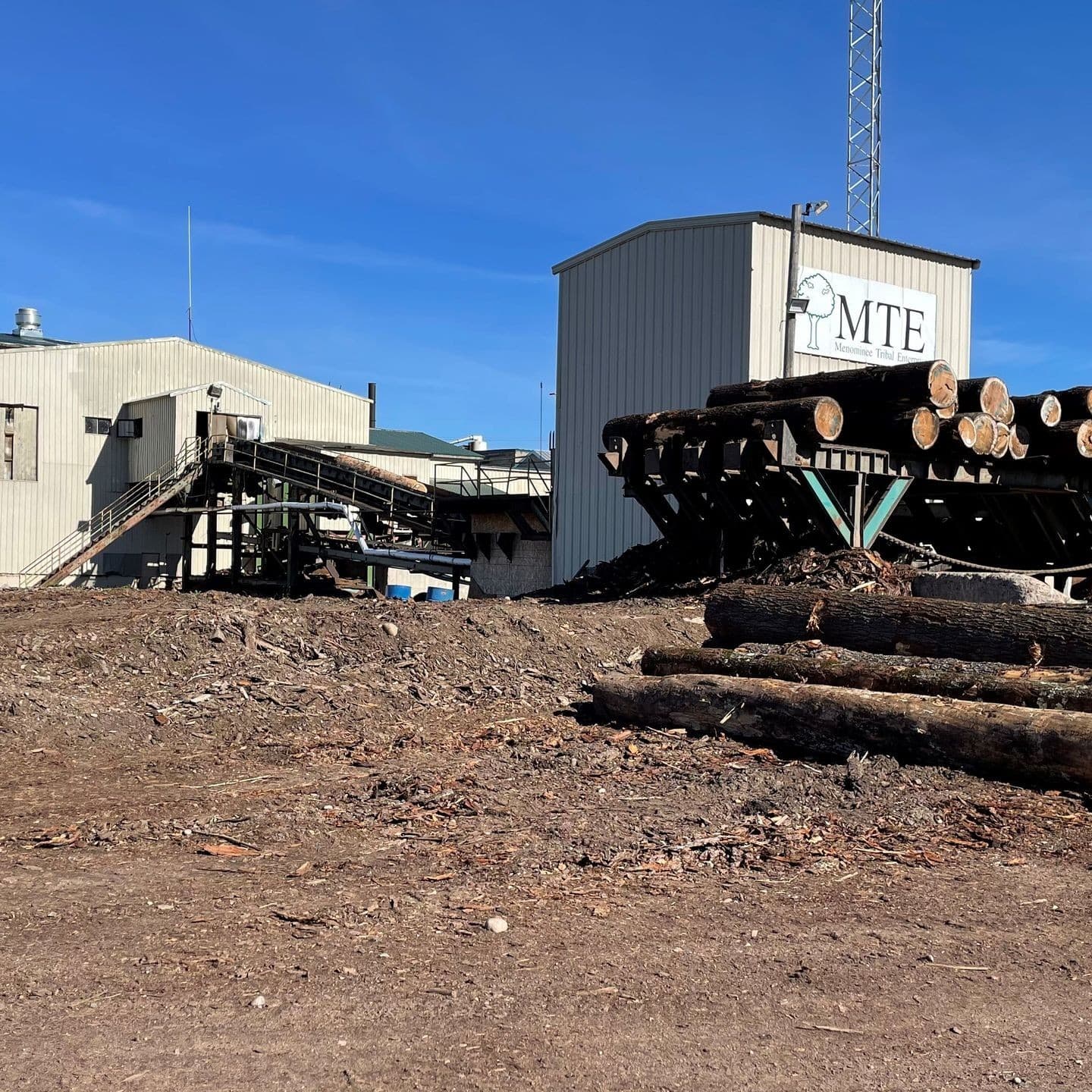
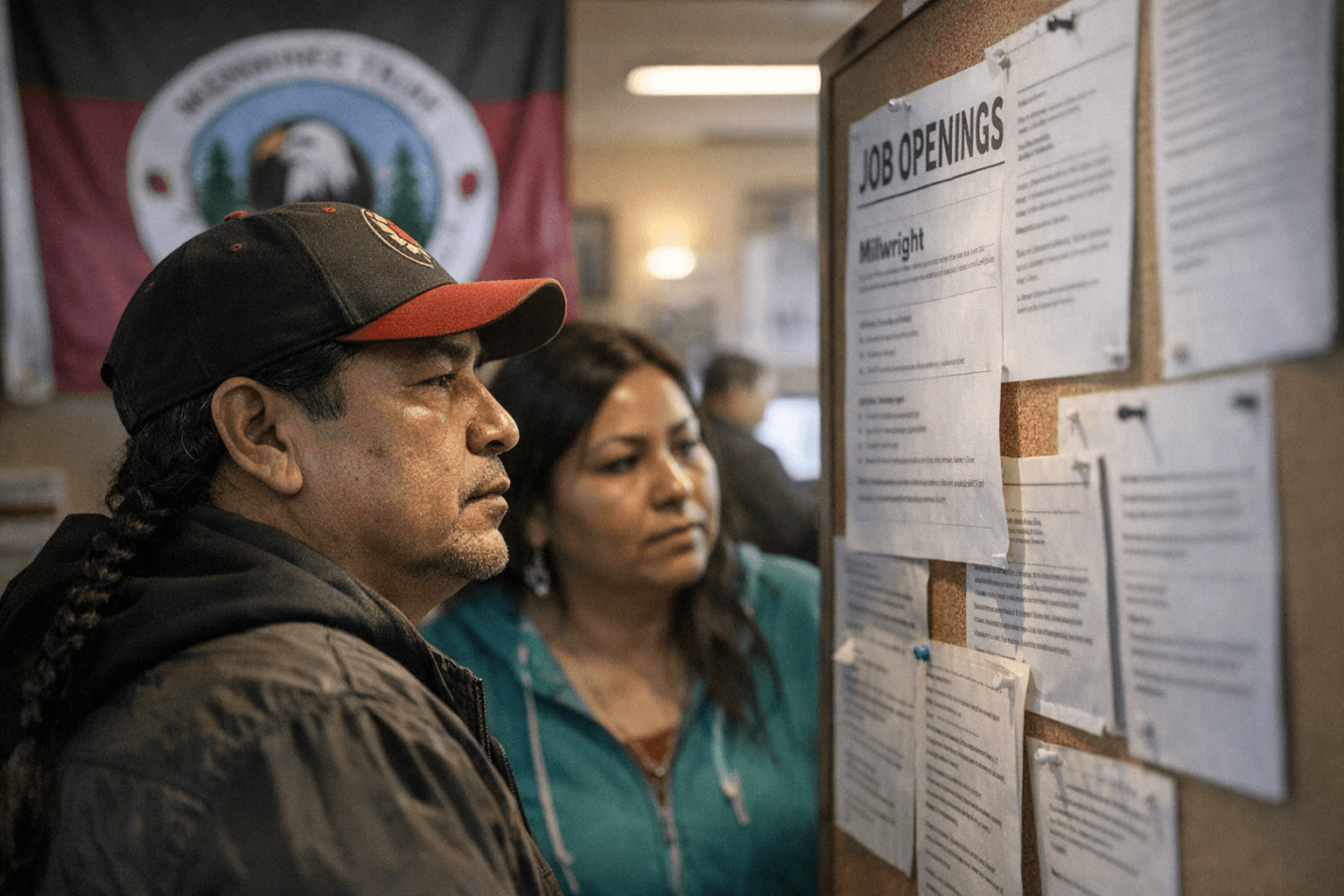
Menominee Forest Stewardship Sustains Jobs, Culture, and Local Economy
For more than a century the Menominee people have managed their woodlands with a sustained yield approach that has preserved a large contiguous forest and supported local employment and revenue. That long term stewardship shapes Menominee County today, influencing economic stability, cultural practices, environmental health, and how the community navigates market and climate pressures.
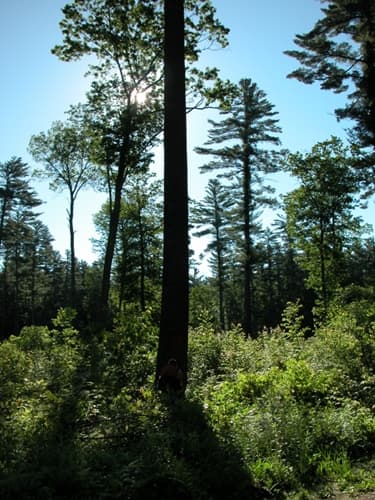
The Menominee forest and the tribe's forestry enterprises form a central pillar of Menominee County life. Beginning in the late 19th and early 20th centuries tribal managers and mill operators developed a forestry model focused on harvesting only the annual growth interest so the standing forest remained intact for future generations. That emphasis on multidecade planning and integrated local processing kept more economic value in the community while maintaining continuous forest cover and productive soils.
Locally the forestry model has provided direct jobs in logging, milling, and value added wood products, and contributed taxable revenue that helped support services on and off the reservation. Tribal enterprises historically reinvested earnings to maintain infrastructure and institutions within the county. Those economic links mean changes in timber demand or processing economics ripple through the local labor market and municipal finances.
Stewardship practices are also cultural practices. Selective harvest cycles, planned regeneration, and attention to wildlife habitat and watershed protection are woven into seasonal subsistence activities and knowledge transmission across generations. The result is a forest landscape that is one of the better preserved continuous tracts in the region, delivering habitat diversity, water quality benefits for local rivers and lakes, and carbon sequestration that contributes to regional climate resilience.
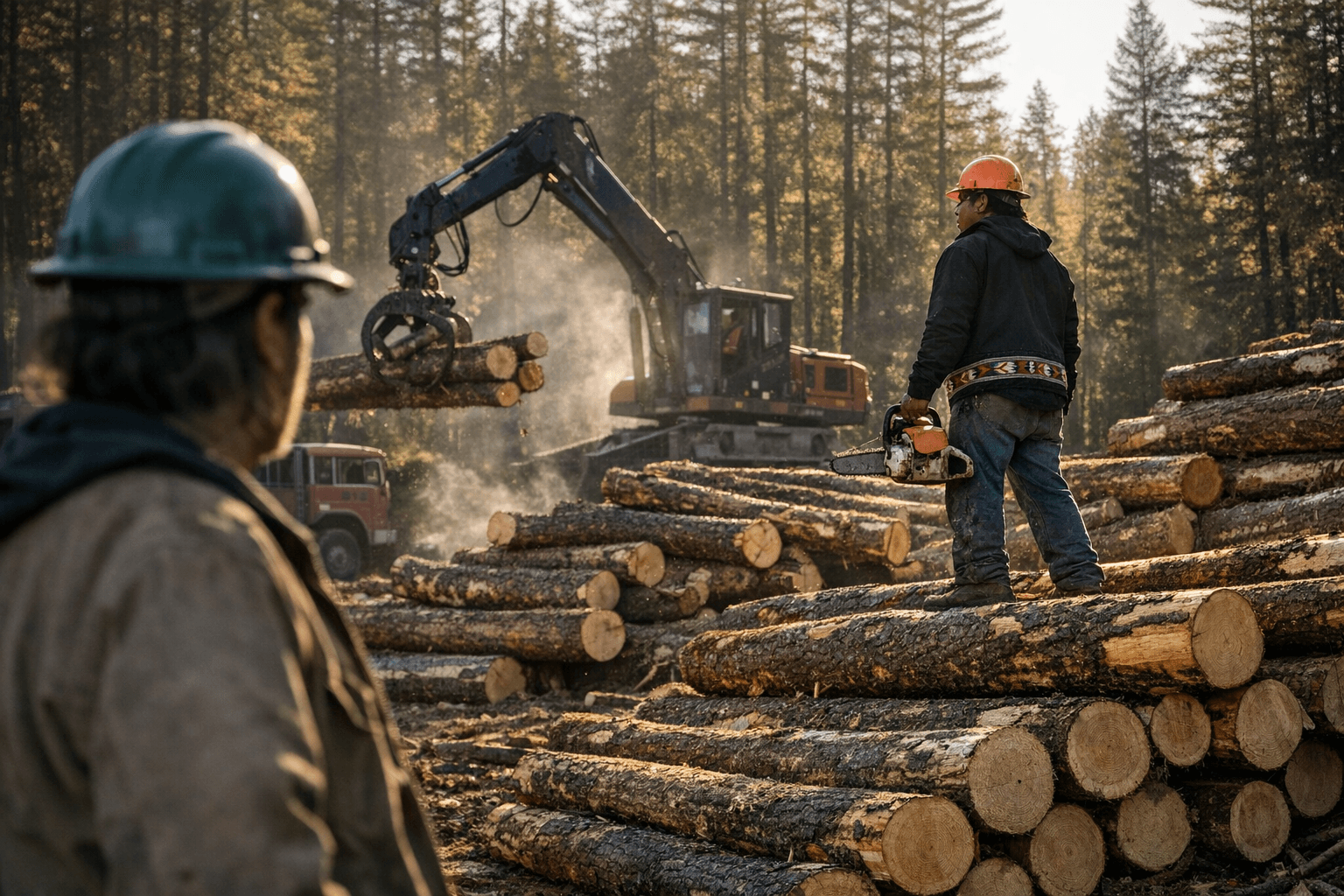
At the same time Menominee forestry faces contemporary challenges. Global timber markets and changing demand cycles put pressure on small regional operators and can influence harvest timing and species emphasis. Climate driven stressors such as pests, storms, and drought increase the need for adaptive management. The reservation’s governmental status shapes regulation and coordination with federal and state agencies, and those jurisdictional arrangements affect permitting, environmental review, and opportunities for intergovernmental partnership.
Local institutions are sources for more information and engagement, including the College of Menominee Nation and the tribal natural resources departments which publish management plans and community outreach materials. Historical forestry case studies and regional research document the tribe’s long planning horizons and integrated operations, providing context for policymakers and residents as Menominee County balances economic opportunity, cultural continuity, and environmental stewardship.
Know something we missed? Have a correction or additional information?
Submit a Tip