Menominee Tribe Seeks Federal Support to Rebuild Housing and Economy
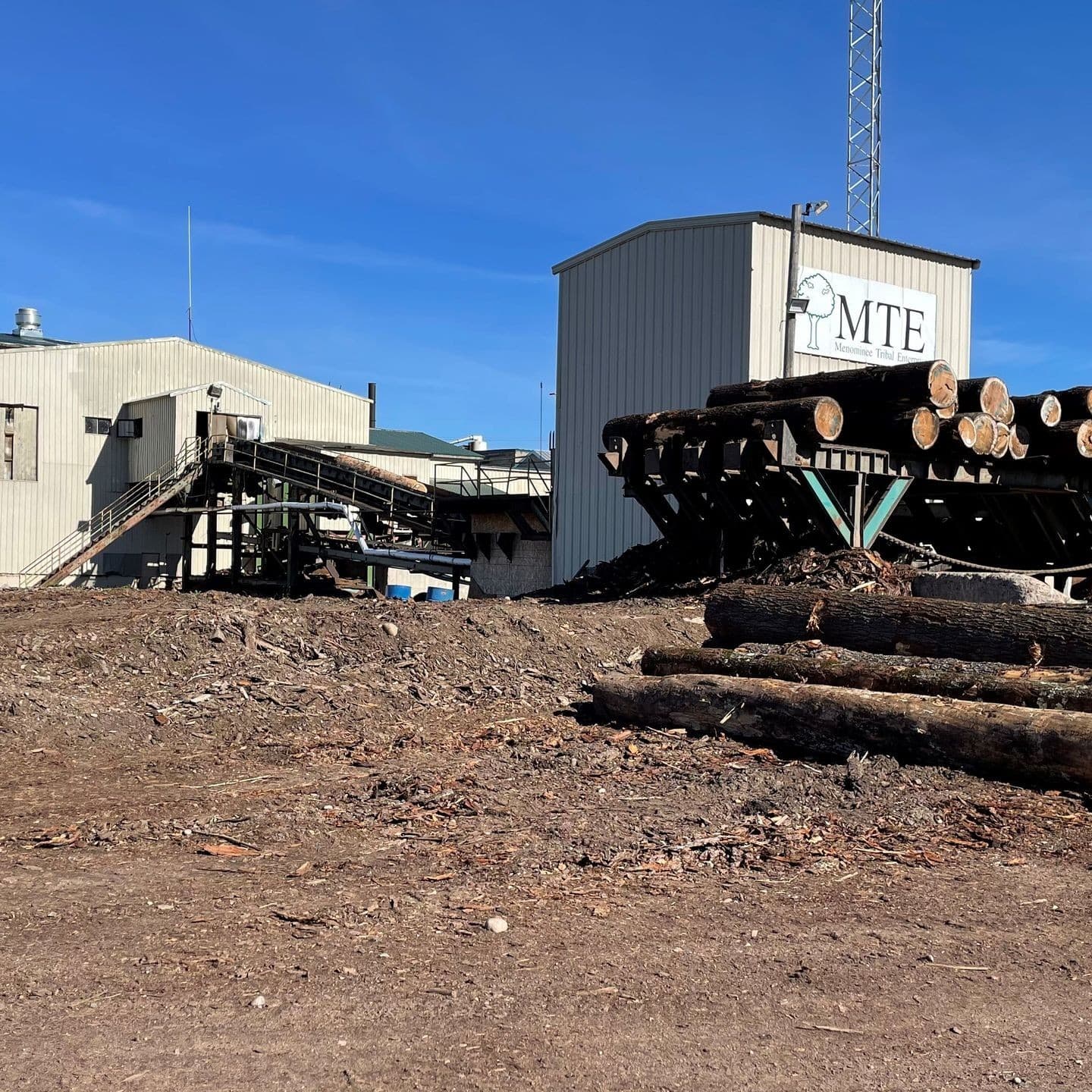
The Menominee Indian Tribe of Wisconsin is pressing for Congressional assistance to address acute shortages in housing, employment, and aging infrastructure that keep most tribal members from living on the Reservation. With more than 235,000 acres and roughly 219,000 acres of high quality forest, the Reservation holds substantial economic potential, but dependence on Bureau of Indian Affairs and Indian Health Service funding limits the Tribe's ability to invest and grow.
The Menominee Reservation, which is nearly coterminous with Menominee County, covers 235,523 acres or approximately 357.96 square miles and sits on the ancestral homelands of 8,551 tribal members. The community includes the five main population centers of Keshena, Neopit, Middle Village, Zoar, and South Branch and contains over 407 miles of improved and unimproved roads, 187 rivers and streams, and 53 lakes. These natural assets combine with roughly 219,000 acres of forest to create a resource base that is economically significant and ecologically rich.
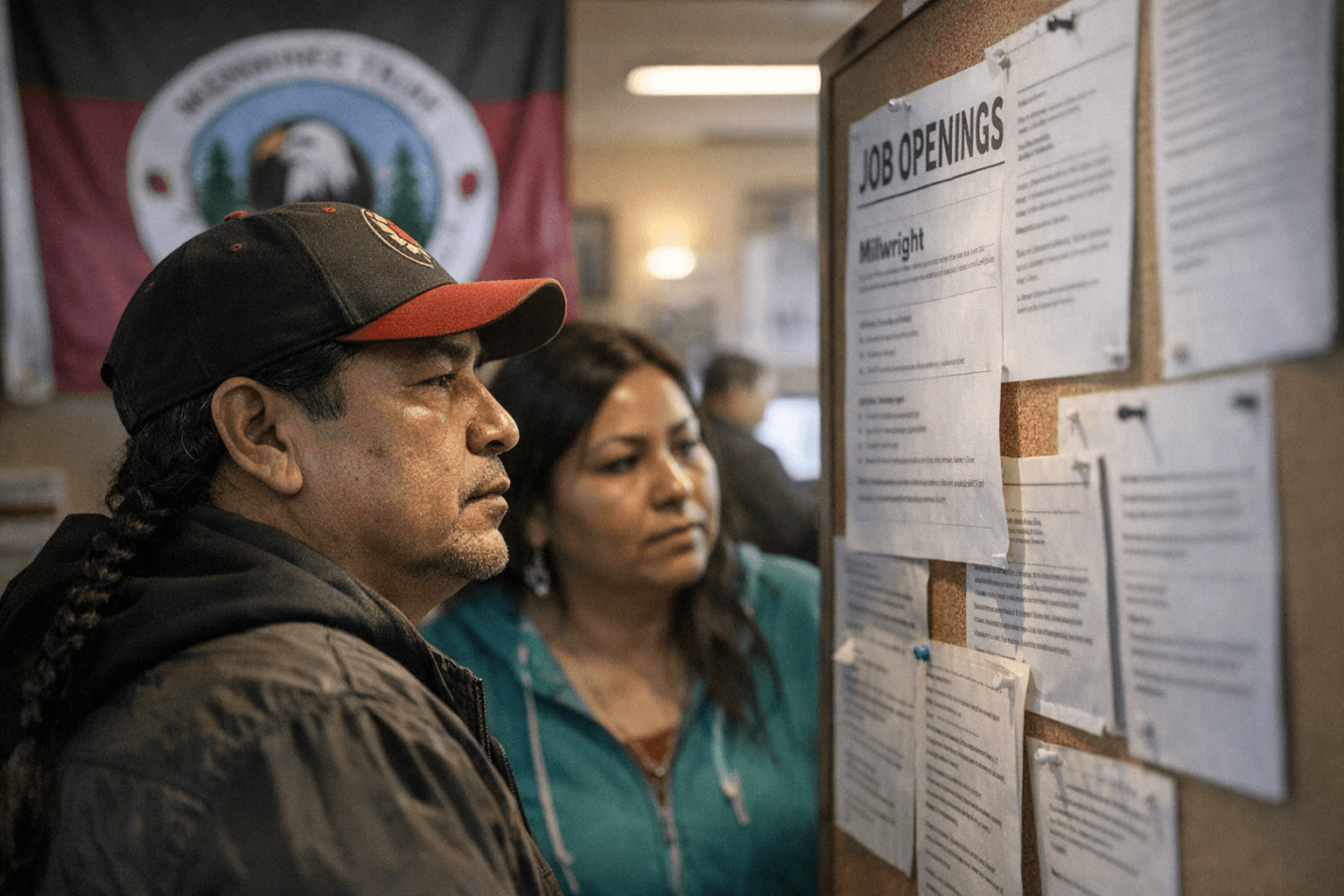
Despite those endowments, the Tribe reports that less than half of its membership is able to reside on the Reservation because of a shortage of employment opportunities, limited available housing, and aging infrastructure that cannot support additional residents or economic development. The Tribe counts over 8,700 enrolled members, meaning fewer than 4,350 live on the Reservation. This population gap has direct implications for local labor supply, household formation, and the feasibility of sustaining new businesses or community services.
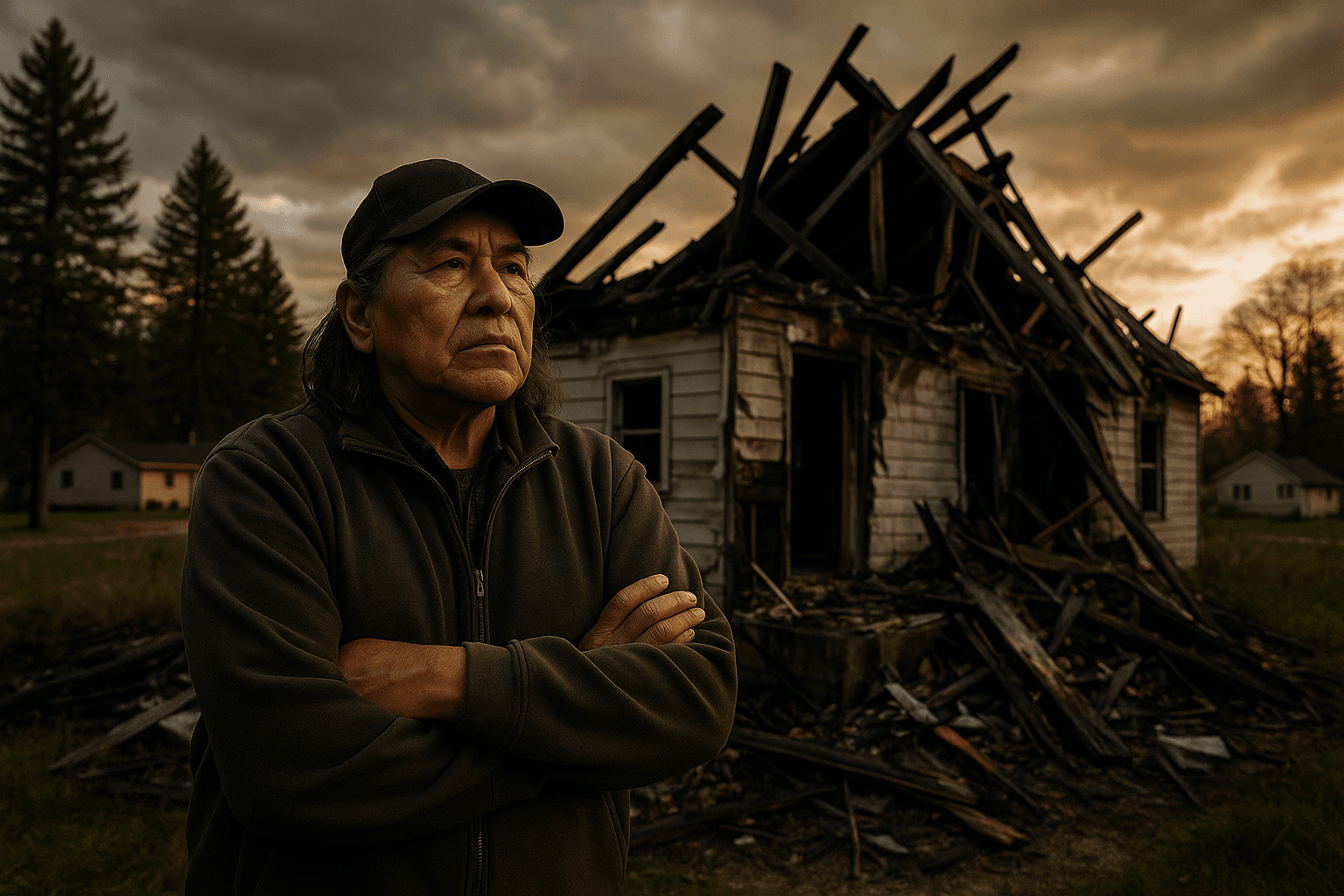
From a market perspective, constrained housing stock and inadequate public works elevate the cost of private investment and deter employers who need a stable workforce. The heavy reliance on federal funding from the Bureau of Indian Affairs and Indian Health Service creates budgetary uncertainty and ties critical capital projects to congressional appropriations and program priorities. The Reservation lies in Wisconsin s 8th Congressional District, a fact that shapes the political channel for securing those appropriations.
Policy choices over the next several years will determine whether the Tribe can convert natural capital into durable economic gains. Targeted federal investment in housing, water and sewer systems, roads, broadband, workforce training, and health services would lower the cost of living and doing business on the Reservation, encourage return migration, and expand local tax capacity. Sustainable forest management and recreation based industries offer long term revenue avenues if paired with infrastructure upgrades and workforce development.
For Menominee County residents the immediate stakes are practical. Improved housing and infrastructure would allow more tribal members to live near family, access local schools and health services, and participate in community life. Over time those changes could stabilize the local economy, broaden the tax base, and preserve the natural resources that are central to Menominee identity and economic opportunity. The Tribe has stated its hope that Congressional action will enable this transition and support a return to greater occupational, educational, housing, cultural, and economic opportunity on the Reservation.
Sources:
Know something we missed? Have a correction or additional information?
Submit a Tip