Mental Enrichment Guide Empowers Owners to Stimulate High‑Energy Dogs
A practical mental enrichment guide shows owners how to turn feeding, scent work, and short brain-game sessions into 10–30 minute daily routines that calm and challenge high-energy dogs.
High-energy dogs often still want work for their brains after a long walk. Owners can bridge that gap with simple, repeatable enrichment strategies that use feeding, scent, and problem-solving to reduce anxiety, destructive behavior, and age-related decline.
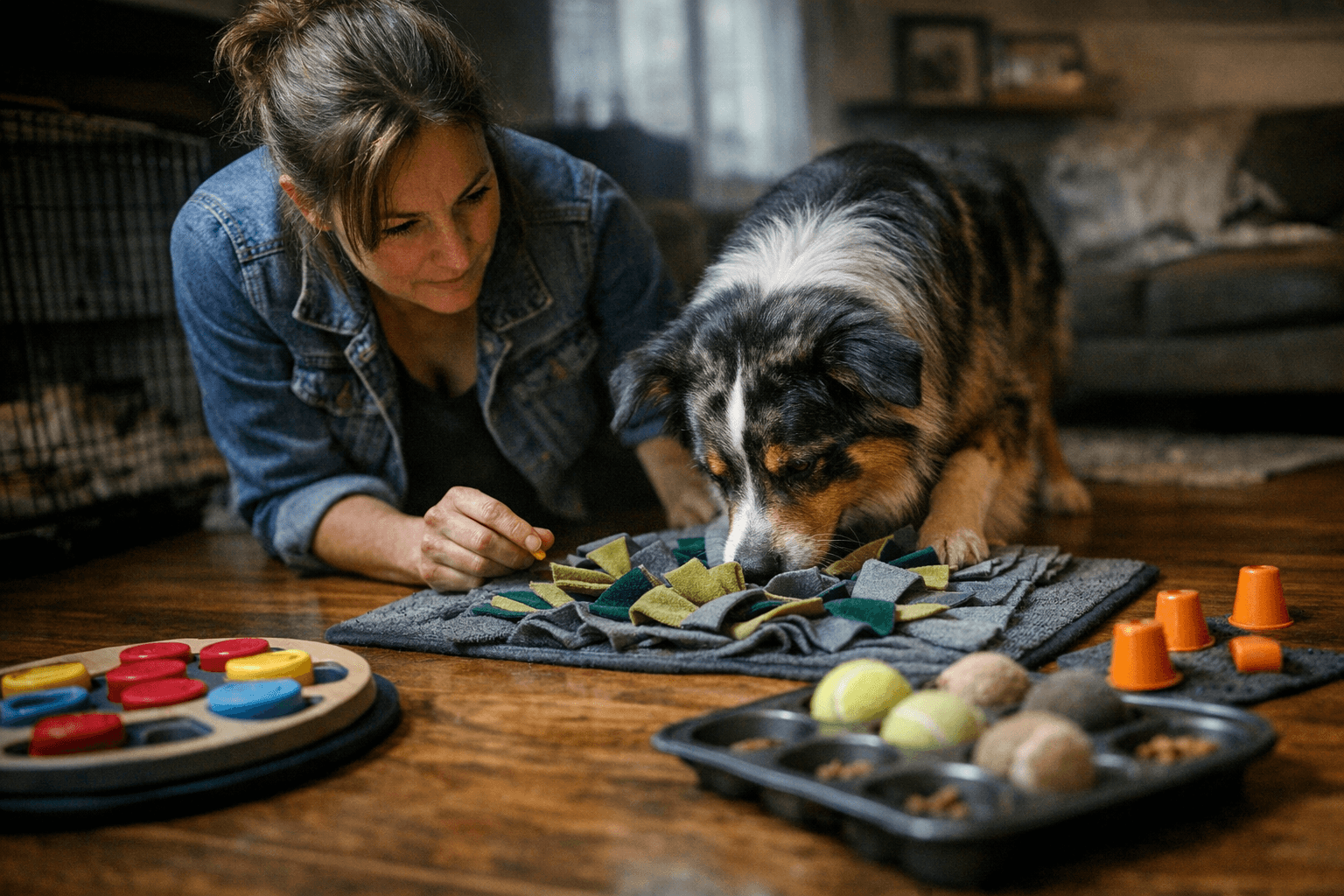
Interactive feeding and foraging shift meals from passive to purposeful. Withwildpack sums up the approach: "Interactive feeding stations create a meal-hunting environment, turning feeding time into a mental workout by engaging your dog's instincts to forage." Scatter feeding, hiding kibble in a dig box, or using a snuffle mat encourages dogs to use nose, brain, and body rather than gulping from a bowl. Animal Hospital of Richboro offers an easy starter: "Frozen treats: Stuff a Kong with yogurt, peanut butter, or kibble and freeze it." Those low-cost moves are adaptable to small apartments and busy schedules.
Scent work and multi-sensory games offer a next step. Snowyriverdoodle recommends combining cues: "Combine scent, sound, and sight cues in a single game. For example, hide a treat that makes noise or has a unique scent, and encourage your dog to use all senses to find it." More advanced drills include retrieving a toy from under furniture or opening a simple box with a latch to build independence and confidence. Snowyriverdoodle also provides a clear daily goal for many owners: "Aim for at least 15–30 minutes of dog mental stimulation daily, adjusting based on your dog’s age and interest."
Not every source gives the same exact time, so owners can pick what fits their dog. Caninebraingames Dog recommends beginning conservatively: "Start with 10-15 minutes daily and adjust based on your dog’s engagement. Mental stimulation can be more tiring than physical exercise, so watch for signs of mental fatigue (yawning, looking away, lying down)." Multiple short sessions across a day often work better than one marathon puzzle session.
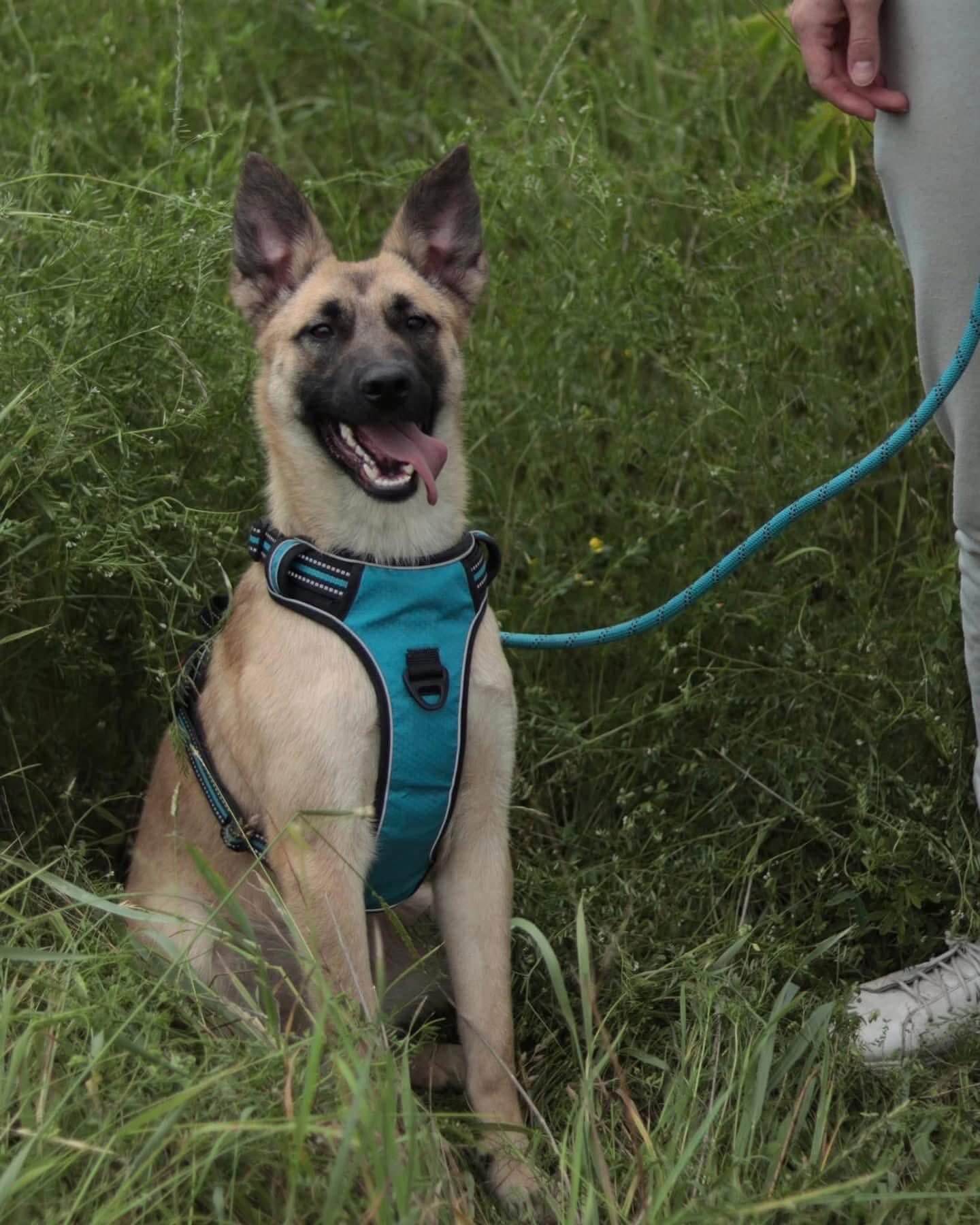
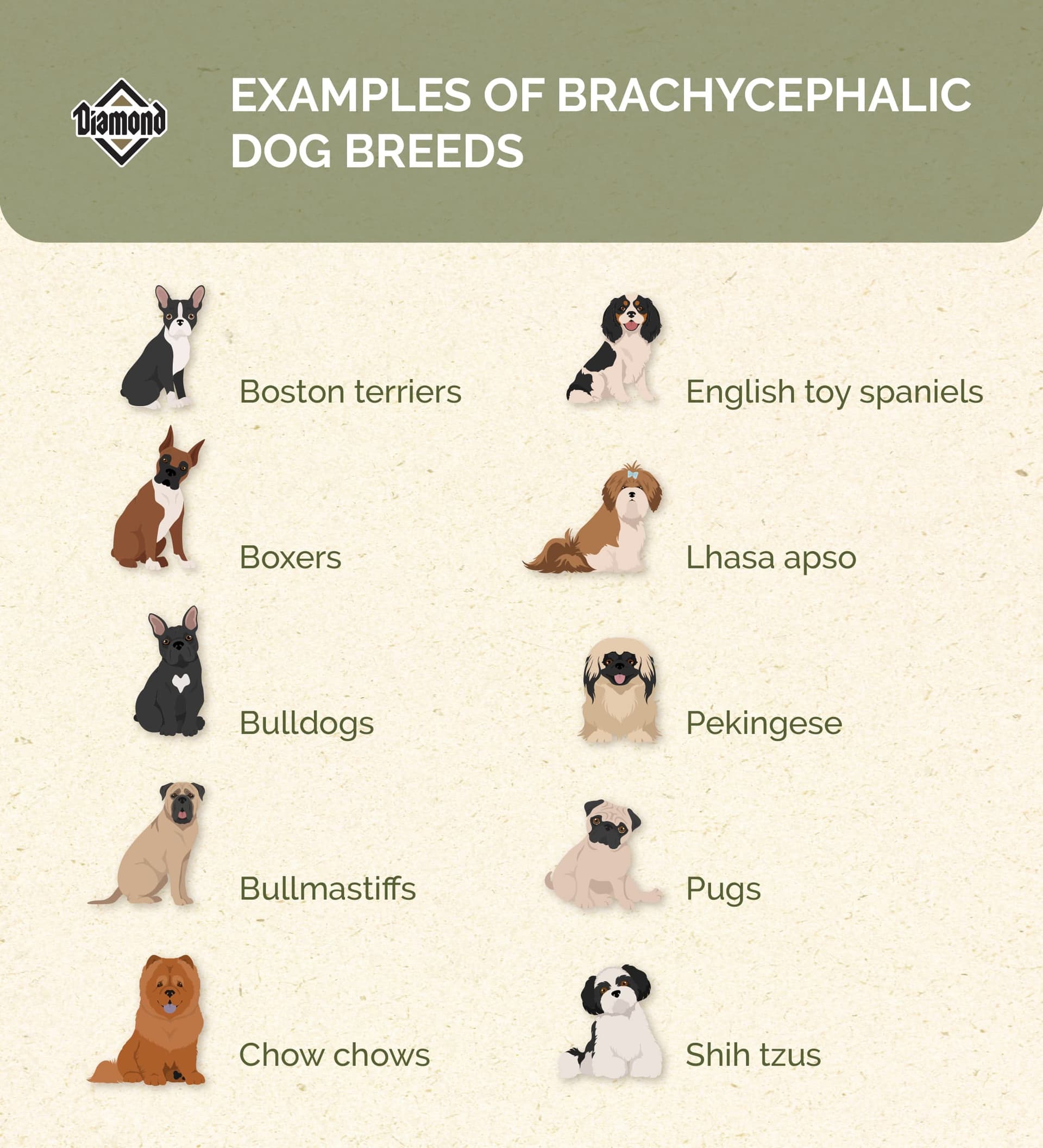
Breed and life stage matter. Animal Hospital of Richboro notes that working breeds such as Border Collies, German Shepherds, and Poodles "require high levels of engagement to stay balanced," while even Bulldogs benefit from mental work. Puppies thrive on puzzles and new textures, adults need variety to stay sharp, and seniors do best with low-impact options like scent work, puzzle toys, and the cup game. Loyal underscores the long-term payoff: "A few studies in dogs show that enriched environments and challenging activities like training can help preserve cognitive ability as the dogs get older."
Practical implementation favors adaptability. Start simple, celebrate effort, rotate activities, and pair cognitive games with gentle exercise and social time. If you want tailored programs, Snowy River Labradoodles offers personalized enrichment plans; contact Snowy River Labradoodles at [717-629-0383]. Local veterinarians in Richboro, PA can help customize plans for individual dogs and life stages.
This practical menu of activities gives owners immediate tools to curb chewing, barking, and mealtime anxiety while strengthening bonds. Begin with a 10-minute starter session, add variety over weeks, and monitor engagement; the payoff is a calmer, more confident dog today and potential cognitive resilience tomorrow.
Know something we missed? Have a correction or additional information?
Submit a Tip