MEPs Urge Pause in EU UAE Trade Talks Over Arms Concerns
Members of the European Parliament in Strasbourg pressed for a pause in trade negotiations with the United Arab Emirates after United Nations and NGO reporting raised questions about European made weapons being re exported to Sudan and ending up with the Rapid Support Forces. The debate underscored tensions between using trade leverage to protect civilians and the diplomatic and economic costs of abrupt suspension.
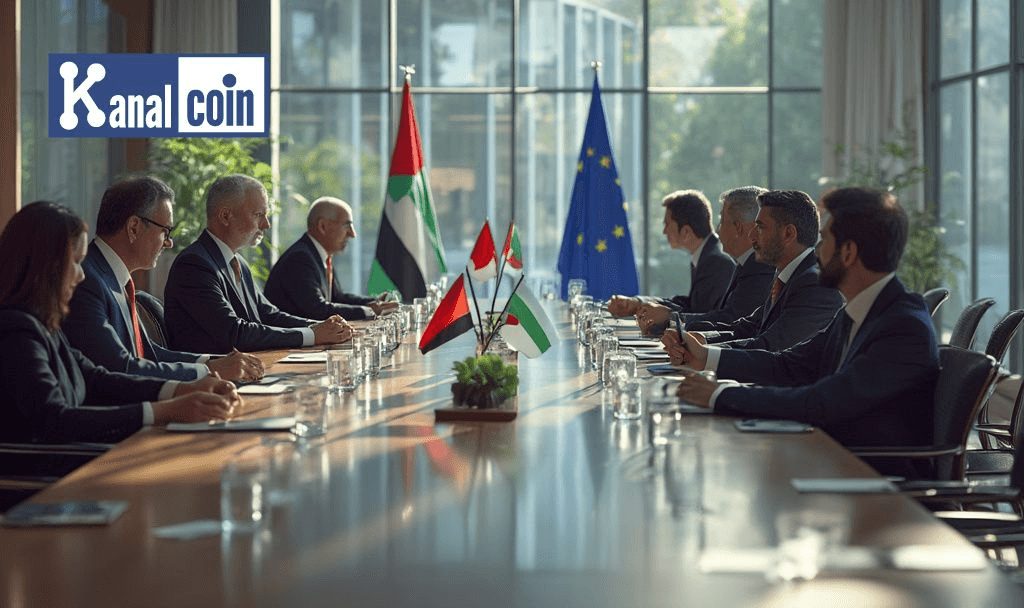
European Parliament members convened in Strasbourg on November 26, 2025 to debate whether the European Union should halt trade talks with the United Arab Emirates in response to allegations that European made weapons have been re exported to Sudan and reached the Rapid Support Forces. The discussion followed recent reporting by United Nations investigators and non governmental organisations which raised questions about supply chains and end user compliance, and it focused on whether the EU can, and should, use trade bargaining power to press for greater transparency and stronger guarantees on arms controls.
Lawmakers and human rights advocates argued that the possibility of European arms reaching a party accused of abuses in Sudan required immediate and robust action. They urged the European Commission and member states to condition trade progress on credible assurances that the UAE will strengthen export controls and prevent re exports that could fuel fighting or obstruct humanitarian access. The Parliament considered a resolution aimed at tightening scrutiny of defence related supply chains and linking any advancement in trade talks to verifiable steps on arms transfers and humanitarian corridors.

Officials and other MEPs warned that an abrupt suspension would carry strategic and economic consequences. The United Arab Emirates is a major trading partner and a hub for regional logistics, investment and energy infrastructure. Critics of a pause said a unilateral move could push cooperation into less transparent channels, reduce the EU s leverage, and complicate wider diplomatic efforts to stabilise Sudan and the wider region. They pressed for calibrated measures that prioritised enforceable safeguards without severing dialogue.
Institutionally the debate highlighted the complex checks and balances in EU external policy. The European Commission leads trade negotiations, but the Parliament must give consent for final agreements and can exert political pressure through resolutions. Member states retain national authority over arms export licences, and enforcement of end user certificates has been an area of persistent concern. Parliamentarians discussed potential policy responses including enhanced monitoring mechanisms, stricter due diligence obligations for arms manufacturers, and conditional clauses in future trade provisions to ensure that re exported materiel cannot be diverted to conflict actors.
The outcome of the Strasbourg session left the path forward uncertain. The proposed resolution would increase parliamentary scrutiny and seek to tie trade progress to verifiable measures on arms re exports and humanitarian access, but it still faces negotiation among political groups and with the Commission. With scrutiny intensifying, the case has become a focal point for broader debates about how the EU balances commercial ties, strategic partnerships and obligations under international humanitarian norms.
As the Parliament weighs its next steps, the episode underscores a growing expectation among elected officials that trade negotiations must be accompanied by rigorous safeguards on human security. How Brussels reconciles those demands with the diplomatic realities of Gulf relations will be a decisive test of the EU s ability to translate values into enforceable policy.
This article was produced by Prism’s automated news system from verified source data, official records, and press releases, then run through automated quality and moderation checks before publishing. The system is built and supervised by the people who set the standards it runs under. Read our full AI policy.
Did this article answer your question?

