Merchant marine cadets land top salaries amid licensed mariner shortage
Licensed mariners are in short supply, and cadets at U.S. maritime academies are landing well-paying jobs, but the bargain comes with sea service and rigid obligations.

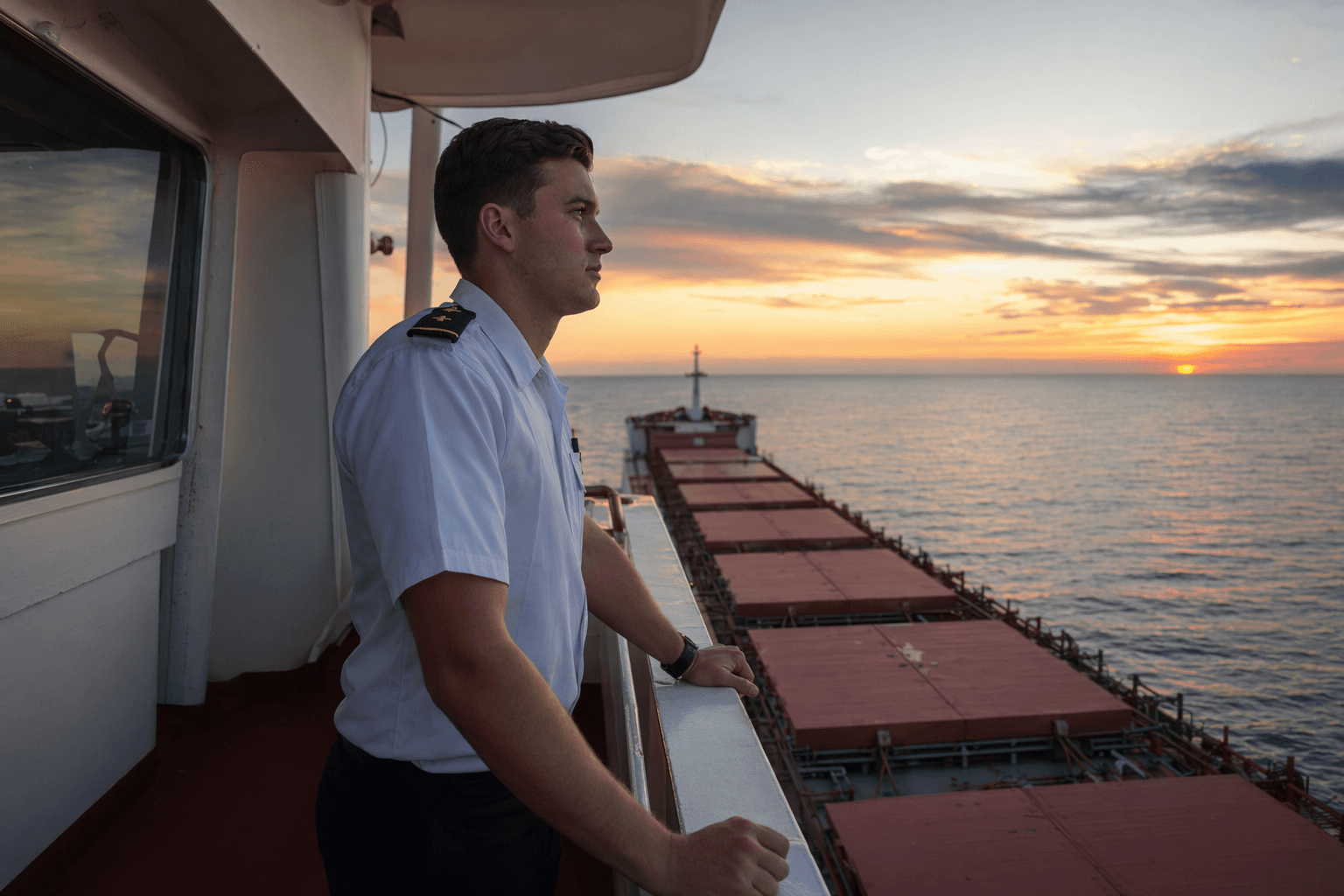
The shortage of licensed mariners has turned the nation’s merchant marine academies into a pipeline to prized jobs. At the U.S. Merchant Marine Academy in Kings Point, New York, officials say virtually 100 percent of graduates find well-paying employment within six months of commencement, most within three months and many before graduation day.
That demand rests on a punishing credentialing path. USMMA’s four-year program leads to a bachelor’s degree, a U.S. Coast Guard merchant mariner license and a reserve commission, while its regimental system is built around leadership, discipline and service at sea. SUNY Maritime College uses a similar model: cadets who want to join the U.S. Merchant Marine must join the Regiment of Cadets and pursue either an unlimited third mate license or an unlimited third assistant engineer license, along with summer sea terms and commercial-vessel sea service.
Federal policy helps keep the pipeline moving. The Maritime Administration’s Student Incentive Program can cover up to $64,000 over four academic years at the six state maritime academies, but recipients generally owe at least three years of service or employment in the maritime industry or U.S. armed or uniformed services after graduation. USMMA graduates carry a longer commitment: five years of MARAD-approved service or employment, six years of holding their merchant mariner credential and eight years in a reserve commission.
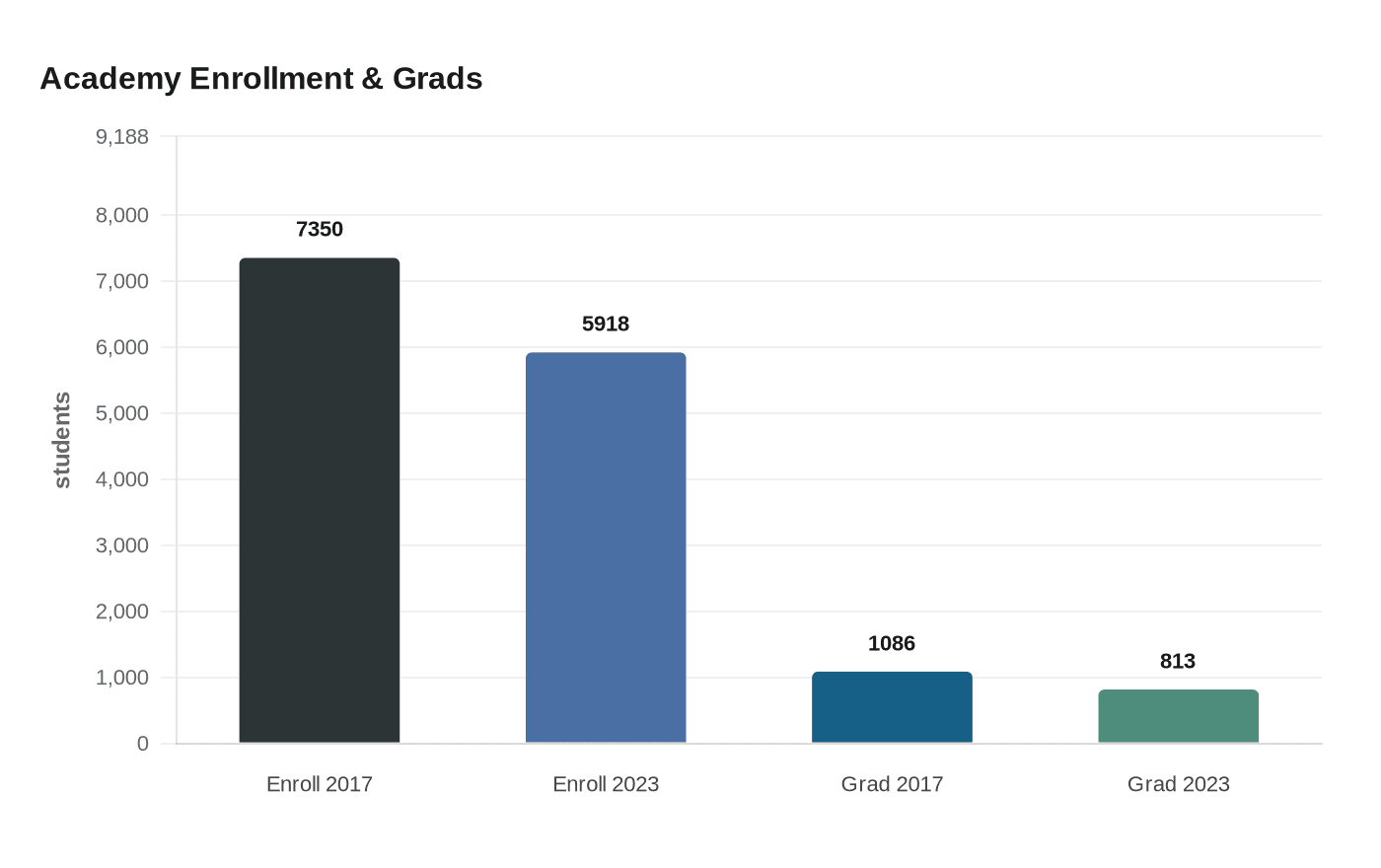
The urgency is not abstract. A 2018 Merchant Marine Academy Board of Visitors meeting cited a shortfall of about 1,800 licensed mariners needed for full surge sustainment, a gap that matters when the country needs ships, crews and sealift capacity in a crisis. Industry figures have since warned that the problem is widening, not easing. Enrollment at the nation’s six maritime academies fell from 7,350 students in 2017 to 5,918 in 2023, while graduates on unlimited license tracks dropped from 1,086 to 813 over the same period.
That shrinking funnel comes as national security concerns intensify. A Drewry report cited by Maritime Executive said the global shortage of officers reached a 17-year high in 2023, and maritime leaders have tied the U.S. gap to shrinking fleets, limited shipbuilding capacity and the need for a war-ready merchant marine. Lawmakers including Sen. Mark Kelly have argued the United States has lost ground to China in shipping and shipbuilding, sharpening the case for more cadets, not just higher pay.
This article was produced by Prism’s automated news system from verified source data, official records, and press releases, then run through automated quality and moderation checks before publishing. The system is built and supervised by the people who set the standards it runs under. Read our full AI policy.
Did this article answer your question?

