Mercy Center Erie Baby Shower Connects Vulnerable Mothers to Vital Community Resources
Mercy Center for Women in Erie distributed free baby supply kits to new and expecting mothers while connecting them with local nonprofits offering housing and wraparound care.
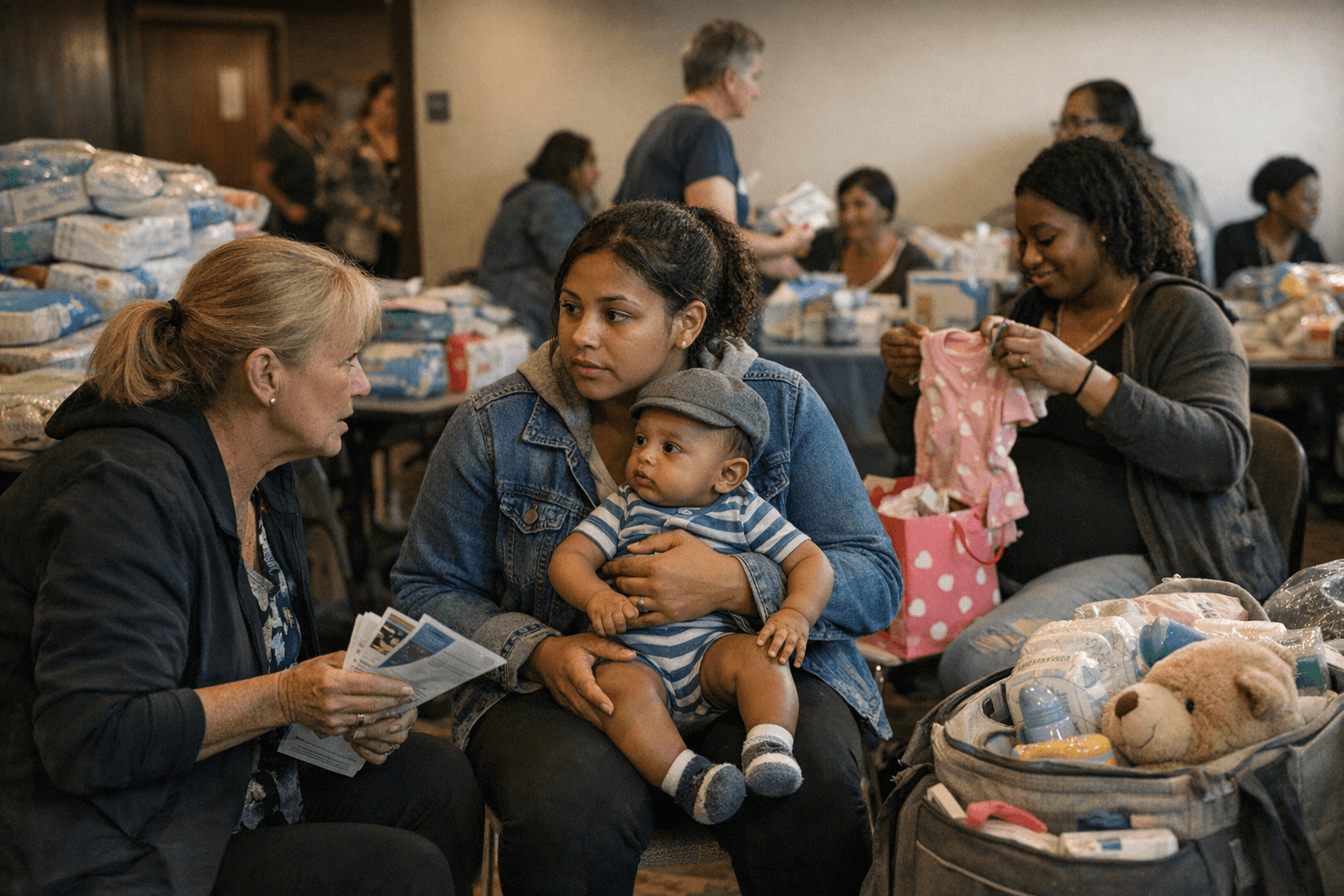
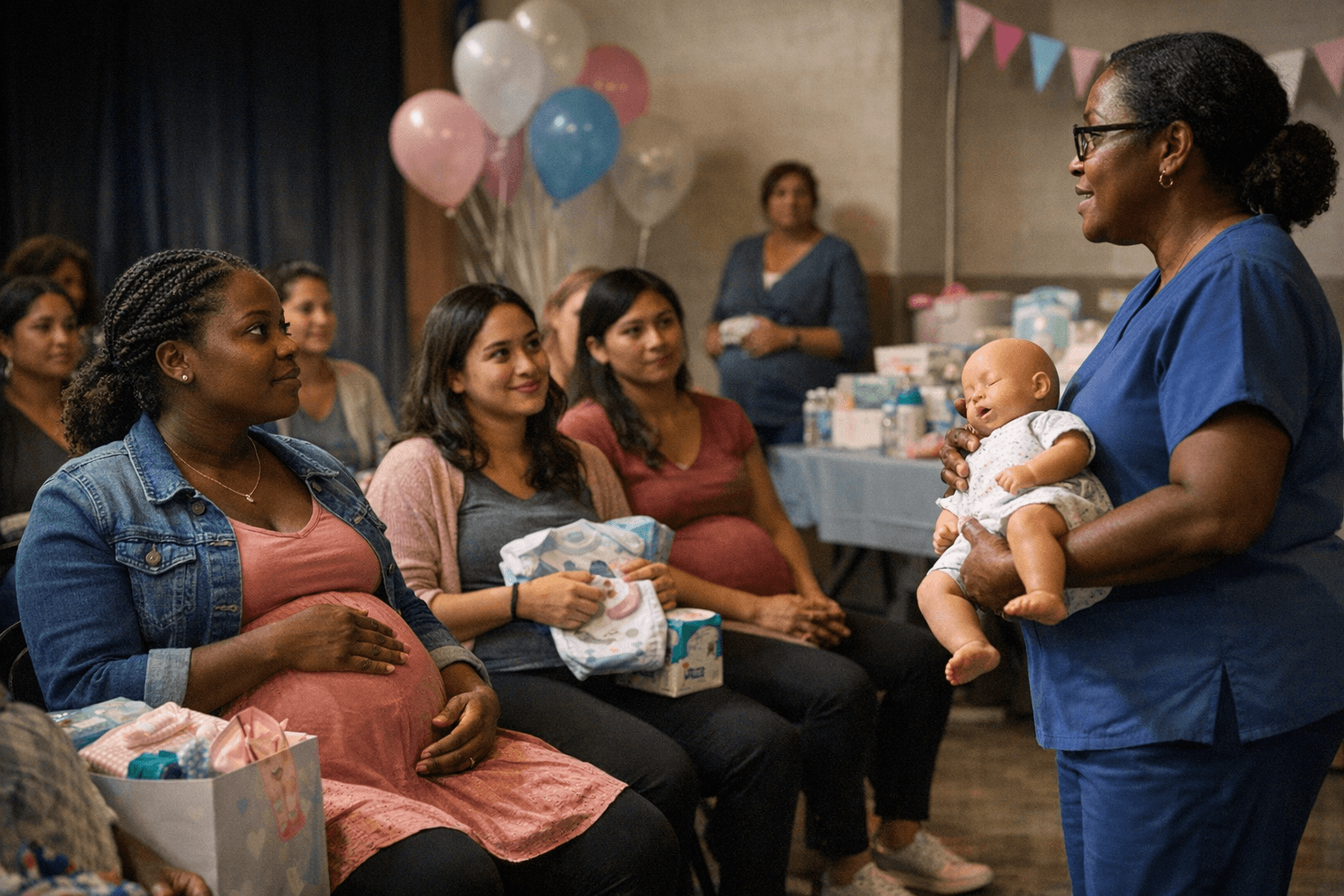
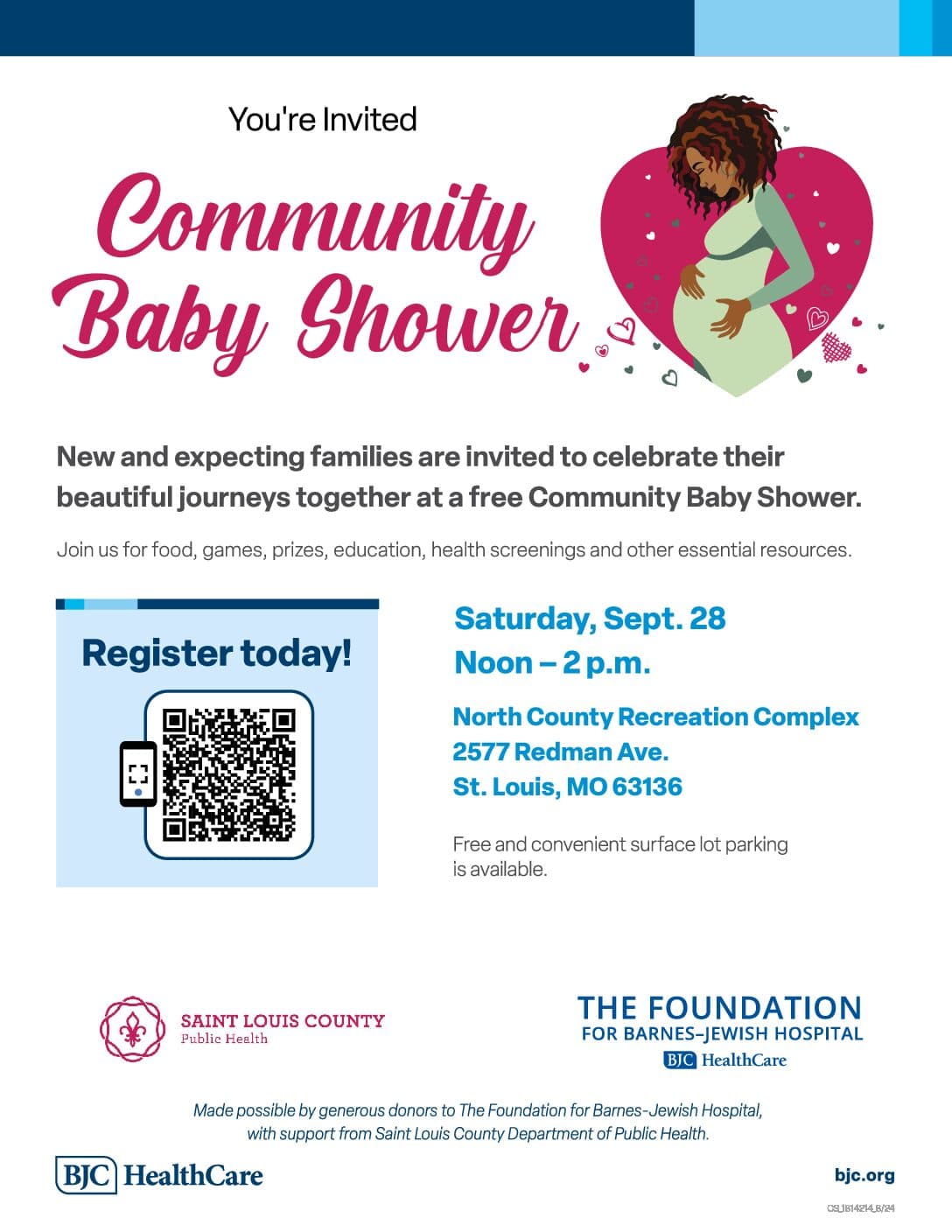
Mercy Center for Women in Erie turned a community baby shower into something more deliberate than a giveaway. On March 27, the organization distributed free baby supply kits to new and expecting mothers while stationing representatives from local nonprofit partners throughout the event, giving families immediate access to services spanning housing navigation, case management, and mental-health referrals.
Executive Director Jennie Hagerty framed the initiative around documented need, noting that families in Erie "could use a helping hand." The event targeted women experiencing housing instability or economic stress, populations Mercy Center has long centered in its mission of supporting women in vulnerable circumstances.
The kits covered immediate material needs: diapers, formula, clothing, and blankets. But the model behind the shower was built on a different premise than traditional charitable distribution. Rather than dispatching supplies as one-off gifts, Mercy Center positioned the event as an entry point into ongoing support, connecting recipients directly with partner organizations equipped to address deeper structural challenges, including prenatal care access, home visiting programs, and wraparound services.
That design reflects an approach gaining traction among social-service providers who treat early material assistance as a trust-building mechanism. When families receive tangible help without bureaucratic barriers, they are more likely to engage with longer-term supports that address the conditions driving their vulnerability in the first place.
For philanthropic and corporate donors considering in-kind contributions, the Mercy Center model illustrates how diapers, car seats, and clothing can function within a case-management structure rather than as isolated donations. Materials that arrive alongside warm introductions to housing navigators and social workers carry a different weight than those that arrive alone.
What the March 27 event does not yet reveal is its scope. Mercy Center's announcement did not include the number of kits distributed, families served, or follow-up referrals completed. Those metrics would strengthen the program's case to funders and help quantify whether the shower model translates into measurable reductions in diaper insecurity or increased enrollment in prenatal services. Formal program evaluation could become Mercy Center's most powerful tool for scaling what is, by design, a human-scale intervention.
Sources:
Know something we missed? Have a correction or additional information?
Submit a Tip