Merrill Lynch adviser named in Epstein files leaves firm
Paul V. Morris left Merrill Lynch after his name surfaced in Justice Department Epstein files, renewing scrutiny of how firms handle reputational risk.
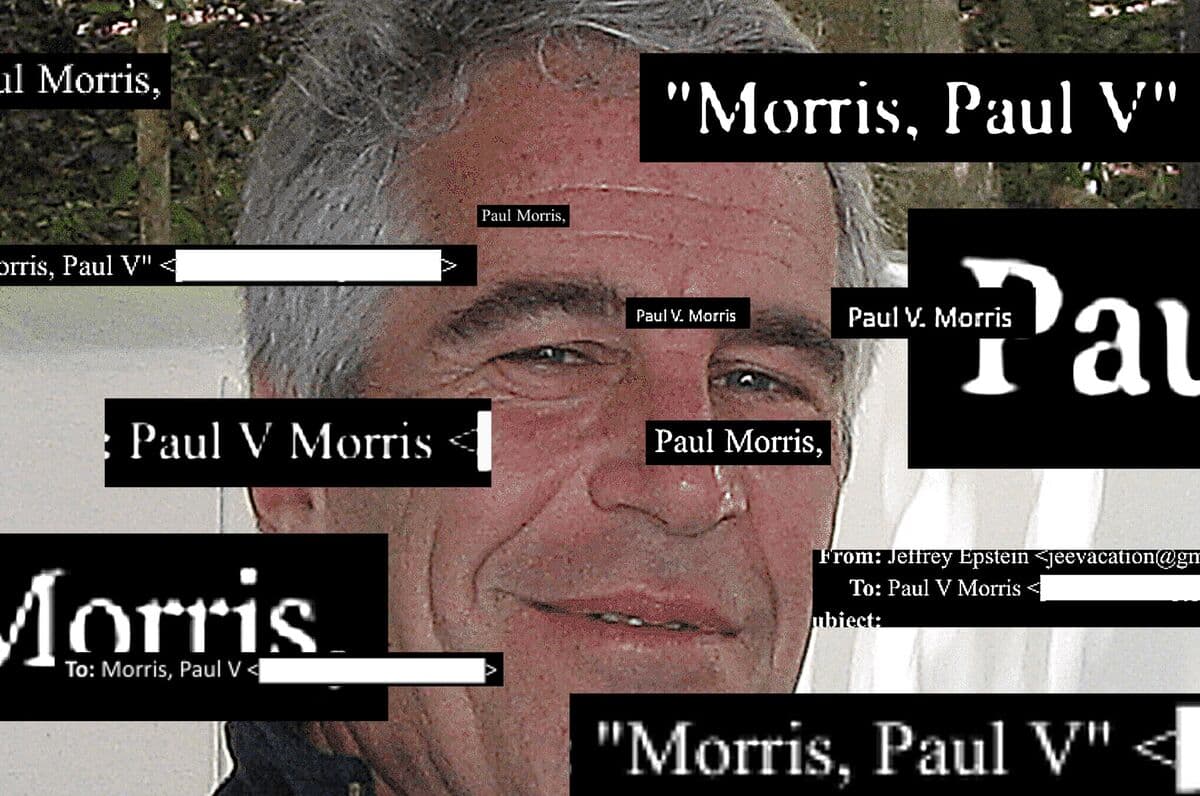
Paul V. Morris has left Merrill Lynch after his name appeared multiple times in Justice Department files tied to Jeffrey Epstein, a departure that underscores how major financial firms now weigh reputational exposure even when no criminal charge is filed. The Bank of America unit confirmed the exit and declined to say when it happened, and there was no indication that the move was formally tied to Epstein.
Morris joined Merrill in August 2016, and records referenced by the Justice Department show that while he was there he was in contact with Epstein’s assistant and accountant between 2017 and 2018. His name also appears in earlier Epstein-related records as part of a JPMorgan Chase team that approved Epstein as a client in 2011, adding another link to one of Wall Street’s most closely watched compliance failures.

The timing matters because the Epstein record release has become a continuing test of institutional accountability. The Justice Department said on January 30, 2026 that it had published more than 3 million additional pages responsive to the Epstein Files Transparency Act, which President Donald Trump signed on November 19, 2025. The department’s Epstein library, last updated on May 25, 2026, says the materials may contain sensitive content and that victim names and other identifying information have been redacted.
Morris’s departure also arrives as the financial industry keeps revisiting how it handled Epstein’s relationships with banks and advisers. Public reporting has said Epstein was a JPMorgan client despite internal concerns and later moved to Deutsche Bank, where the relationship continued until the bank terminated it in December 2018. Morris previously worked at JPMorgan Chase and Deutsche Bank, placing him at the center of a network that continues to draw scrutiny years after Epstein’s death.
The reputational stakes were visible Monday morning, when the website for Morris’s Merrill practice, the Morris Group, was no longer active. Even without a criminal accusation attached to Morris, firms are treating names in the Epstein files as a governance problem as much as a legal one, because the documents keep reopening questions about who knew what, when they knew it and how aggressively institutions acted once Epstein’s history became impossible to ignore.
This article was produced by Prism’s automated news system from verified source data, official records, and press releases, then run through automated quality and moderation checks before publishing. The system is built and supervised by the people who set the standards it runs under. Read our full AI policy.
Did this article answer your question?

