Merrymeeting Bay stewardship boosts wildlife habitat and local access
Merrymeeting Bay supports vital habitat and recreation, and colleges and Audubon chapters provide maps, monitoring and stewardship resources for Sagadahoc towns.
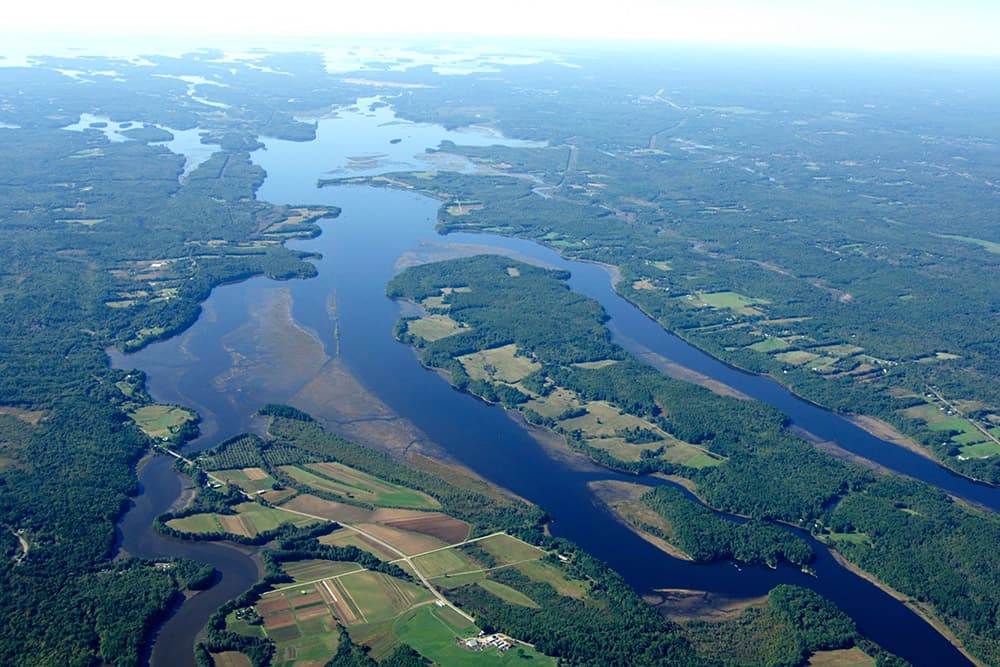
Merrymeeting Bay, the distinctive tidal freshwater estuary at the confluence of six rivers including the Kennebec and Androscoggin, remains a focal point for wildlife, recreation and community stewardship in Sagadahoc County. The bay’s tidal marshes and riverine flows sustain diverse birdlife and fish habitat while offering residents easy access for kayaking, birding and shoreline walks from boat launches in towns such as Bowdoinham and Woolwich.
Local colleges and regional Audubon chapters are active around the bay, contributing research on water-flow, habitat restoration and public access planning. That work has produced monitoring data, maps and community projects that help municipal leaders and volunteers prioritize marsh restoration and protect sensitive nesting areas. For residents who use the bay, those efforts translate into clearer guidance at launch sites and better-informed educational programming hosted by community groups.
Public recreation around Merrymeeting Bay supports both quality-of-life and local economic activity. Kayakers, anglers and birdwatchers draw day visitors to shoreline towns, increasing use of boat launches and local services. At the same time, the ecological role of the bay as a tidal freshwater estuary means planners must balance access with conservation. Maintaining tidal marshes and healthy fish habitat depends on ongoing water-flow monitoring and targeted restoration projects that local organizations and colleges are helping to lead.
Practical steps matter for community members and visitors. Respect seasonal wildlife viewing best practices by keeping distance from nesting birds, packing out trash and using designated launch sites to reduce disturbance to marsh edges and mudflats. The Bowdoin Merrymeeting Bay research pages offer a starting point for maps, monitoring data and descriptions of local stewardship initiatives for anyone planning a trip or volunteer day.
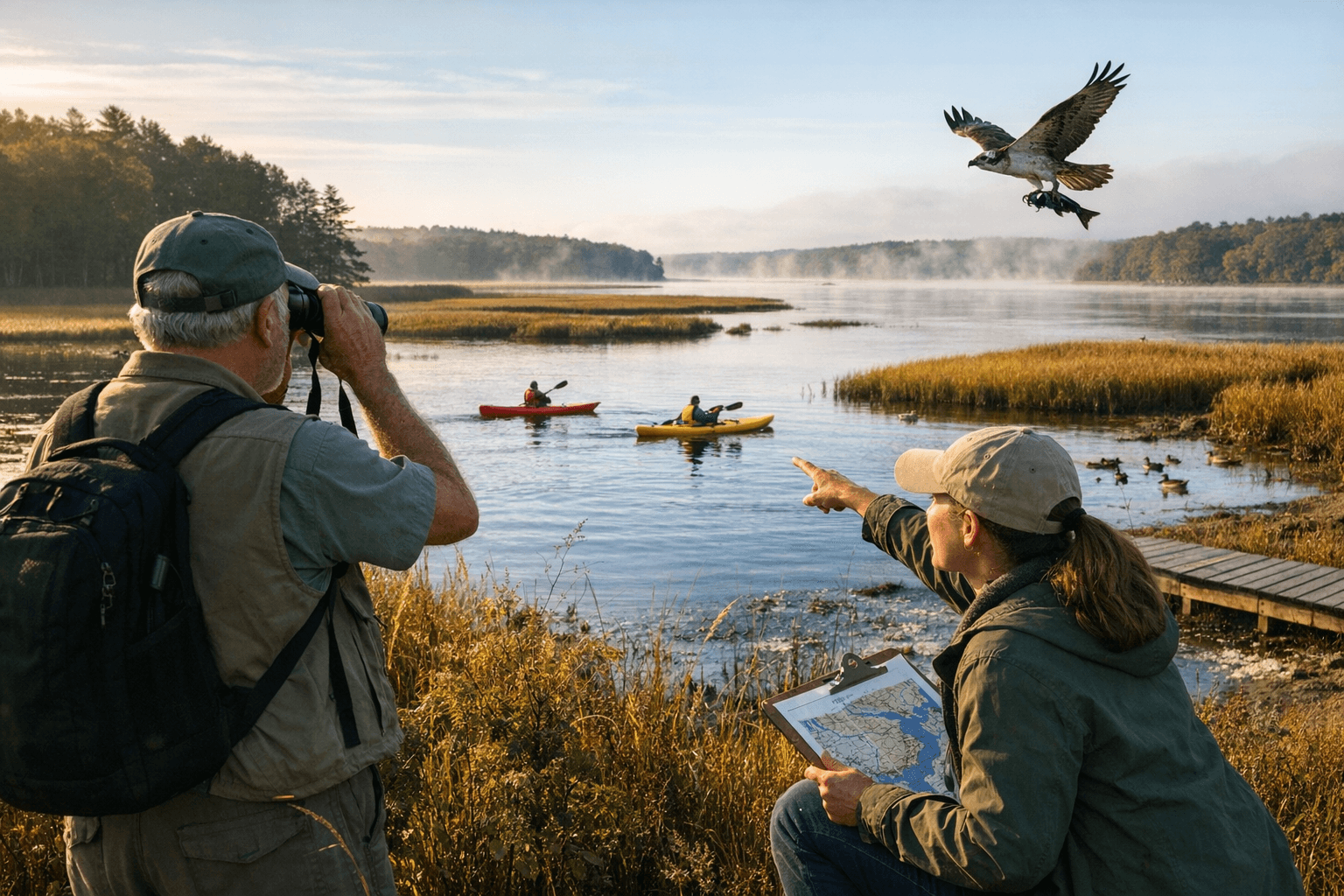
Policy implications for Sagadahoc towns include coordinating signage and launch management, investing in habitat restoration priorities identified by monitoring work, and supporting partnerships between municipalities, colleges and conservation groups. Those policy choices will shape how the bay delivers both ecological services and recreational value over the long run.
For residents, the immediate takeaway is straightforward: enjoy the bay responsibly and connect with the local stewardship network. Continued community engagement and use of the research tools now available will help preserve Merrymeeting Bay’s wildlife, public access and the small-town economies that depend on them.
Sources:
Know something we missed? Have a correction or additional information?
Submit a Tip