Merz unveils reforms to counter AfD rise in Germany
Merz's coalition paired €10 billion in tax relief with pension and housing reforms as 20,000 AfD critics filled Erfurt, testing governance over rhetoric.

Friedrich Merz's coalition unveiled a reform package on July 2 that combined about €10 billion in annual tax relief for lower-income earners with pension changes, labor-market measures, cuts to red tape and steps to expand affordable housing. The 34-point plan aims to revive growth and competitiveness in Europe’s largest economy after months of criticism that Berlin had moved too slowly on living costs and business conditions.
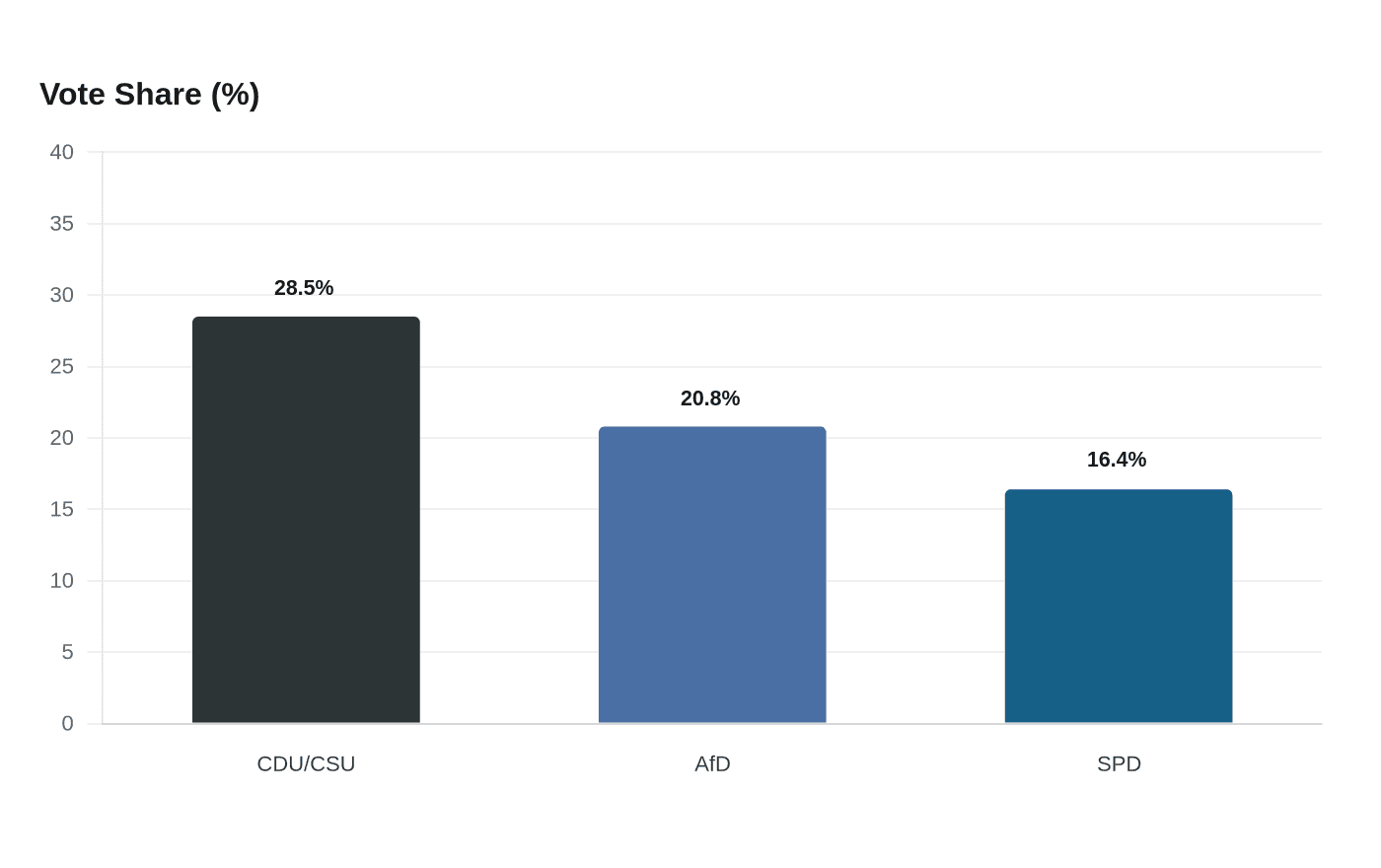
The CDU/CSU won 28.5% of the vote and 208 seats, the Alternative for Germany took 20.8% and 152 seats, and the SPD fell to 16.4%, its worst postwar federal result, with turnout at 82.5%. The AfD’s strongest ground remains in eastern Germany, and mainstream parties still refuse coalition cooperation with it.
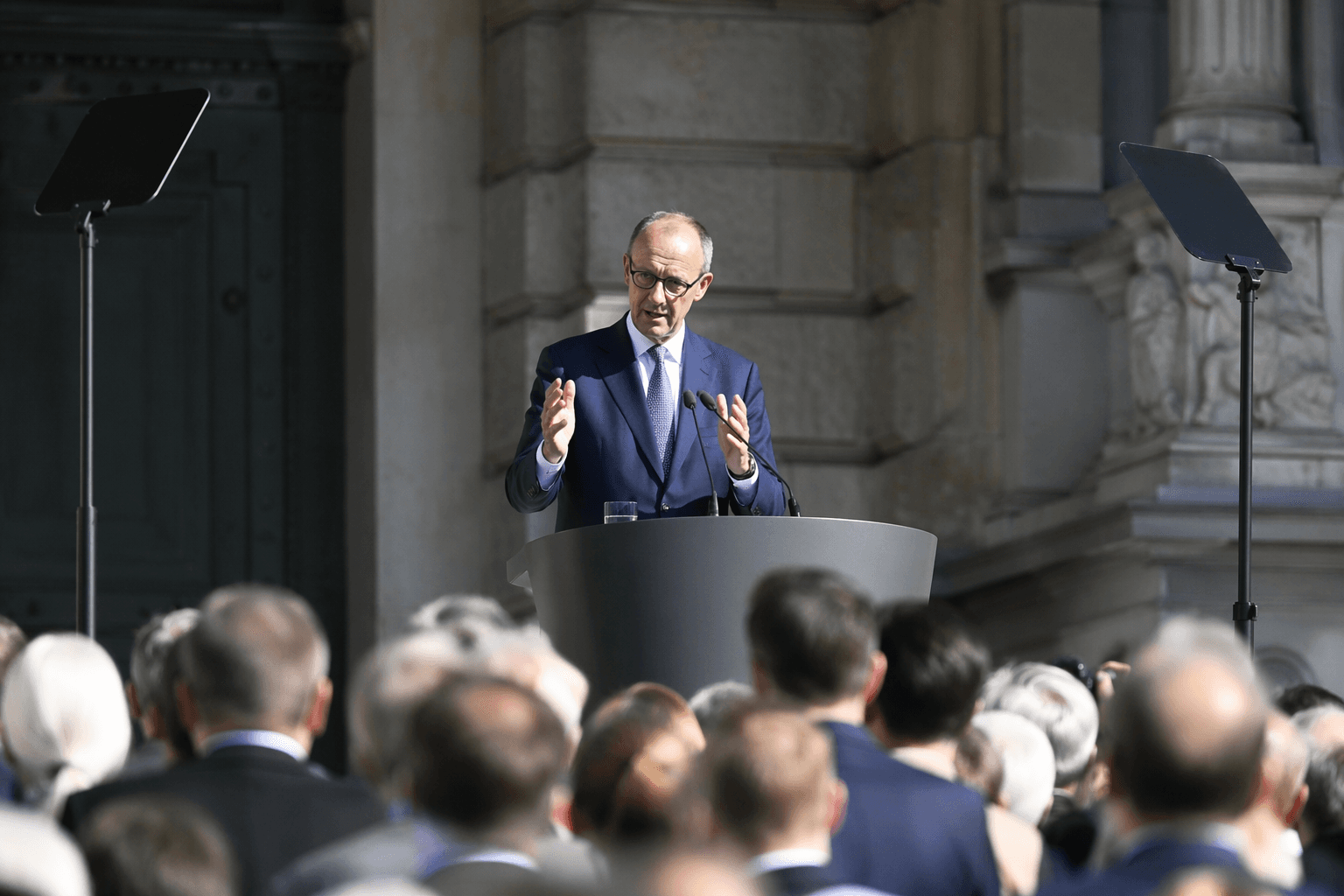
Police said about 20,000 people protested against the AfD on July 4 and blocked roads to the party’s annual conference in Erfurt. The party re-elected its two leaders, Alice Weidel and Tino Chrupalla, at the same gathering, and the AfD is pushing for more power in regional elections later this year.
Germany's domestic intelligence agency classified the AfD as a proven right-wing extremist organization in May 2025, but a German court ordered authorities in February 2026 to pause using that label while a legal challenge is pending. Lawmakers separately debated an outright ban, and the Bundestag moved in 2024 to strengthen the Federal Constitutional Court against political capture.
This article was produced by Prism’s automated news system from verified source data, official records, and press releases, then run through automated quality and moderation checks before publishing. The system is built and supervised by the people who set the standards it runs under. Read our full AI policy.
Did this article answer your question?