Met police deploy 4,000 officers to keep rival protests apart
4,000 officers and a £4.5 million bill kept rival marches apart as 43 people were arrested and police used live facial recognition for the first time.
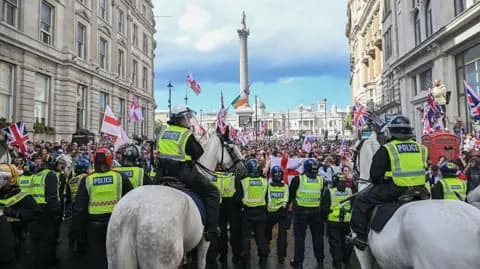
A wall of 4,000 Metropolitan Police officers, backed by armoured vehicles, horses, dogs, drones and helicopters, kept a potentially explosive day of rival demonstrations from boiling over in central London. The force spent £4.5 million on the operation and used live facial recognition in a protest policing operation for the first time, a sign of how far modern crowd control has moved toward technology, mass deployment and hard containment.
The main flashpoint was Tommy Robinson’s Unite the Kingdom march, led by Stephen Yaxley-Lennon, and a pro-Palestinian Nakba Day rally marking the 78th anniversary of the Nakba, when around 750,000 Palestinians were forcibly displaced in 1948. Police had estimated about 50,000 people for the far-right rally and 30,000 for the pro-Palestinian march, while organisers later claimed the Nakba turnout was far higher. The Met used a sterile zone between the two processions to stop crossover and said the scale of the response was “unprecedented in recent years”.
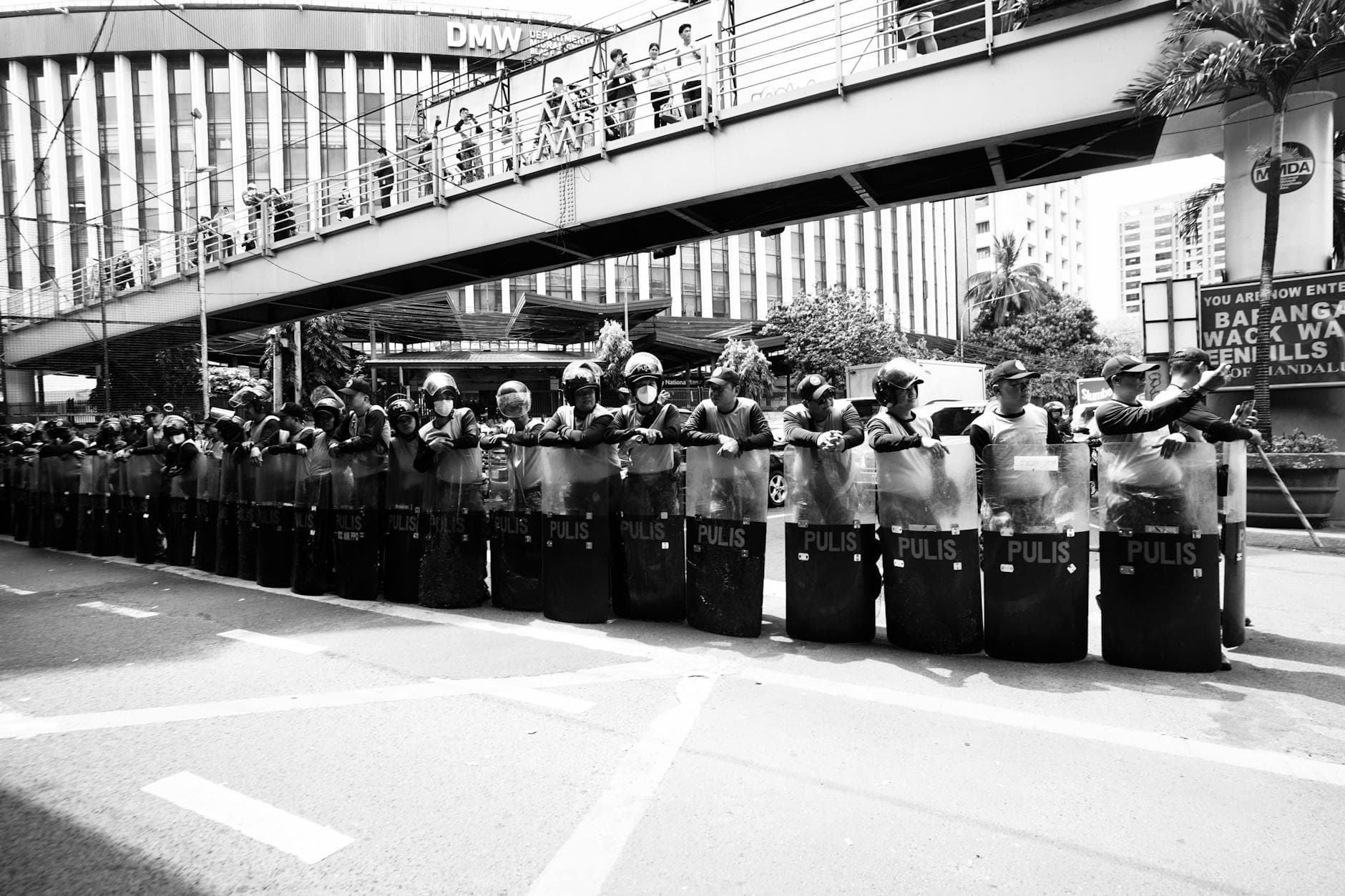
By 7.30pm, police said 43 people had been arrested across the two protests. A further 22 arrests came at the FA Cup final at Wembley Stadium, where more than 83,000 fans filled the ground. Four officers were assaulted, none seriously, and six officers were subjected to hate crime offences. The Met also drafted in 660 officers from elsewhere, underscoring how quickly public order policing now competes with football, politics and security threats on the same day.
The political temperature was high on both sides. At the Unite the Kingdom rally, protesters waved Union flags and St George’s Crosses, some wore “Make England Great Again” hats, and speeches included chants against Prime Minister Keir Starmer. Robinson later posted that Starmer’s “days are numbered”. At the Nakba Day rally, protesters carried Palestine flags and signs opposing the far right, while Jeremy Corbyn told supporters that Westminster needed policy change.
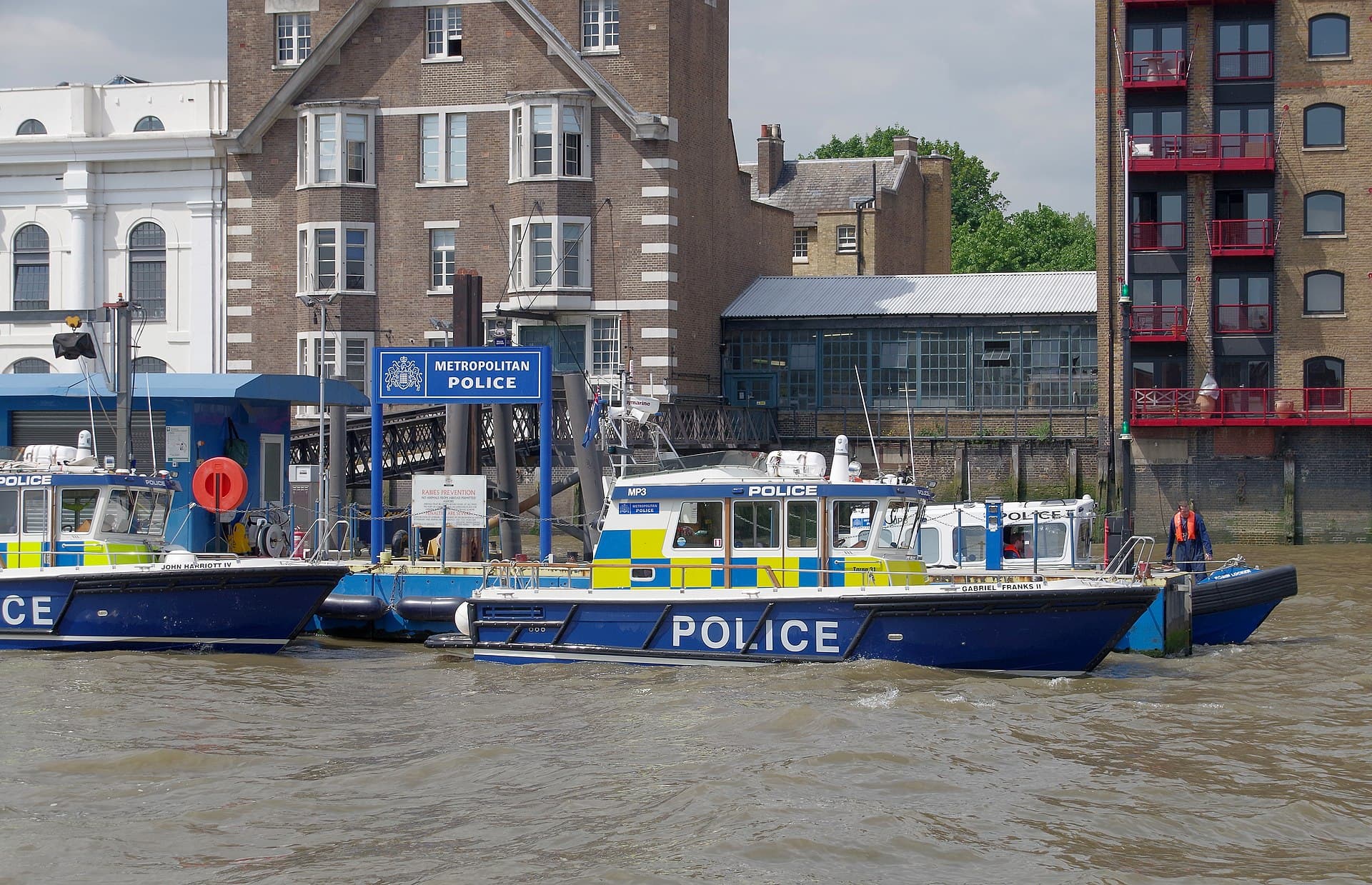
The government barred seven foreign far-right agitators from entering Britain before the rally, a reminder that the policing challenge extended beyond the streets and into border security. In 2025, about 150,000 people attended a Unite the Kingdom event in London, so Saturday’s smaller but still substantial crowds suggest the movement remains capable of drawing a major turnout. What the day also showed is that London can still be sealed off, split and managed at enormous cost, but not defused. The police operation preserved public order for one day; whether Britain can keep paying to stage that result is a far harder question.
This article was produced by Prism’s automated news system from verified source data, official records, and press releases, then run through automated quality and moderation checks before publishing. The system is built and supervised by the people who set the standards it runs under. Read our full AI policy.
Did this article answer your question?


