Meta and BlackRock plan $14 billion AI data center in El Paso
Meta and BlackRock are planning a 1-gigawatt El Paso campus that Meta says will bring more than $1.5 billion locally and create over 1,800 construction jobs.
Meta and BlackRock announced a venture on July 28 to develop and own a data center campus in El Paso, Texas, a project they put at about $14 billion. The buildout would place one of the country’s largest AI computing hubs in far Northeast El Paso, turning the artificial intelligence boom into a demand for land, electricity, cooling and long-term capital at the U.S.-Mexico border.
BlackRock-managed funds will hold 80% of the venture, while Meta keeps 20% and leases back the campus. The project is expected to be financed with about $12 billion in debt, a structure that lets Meta expand compute capacity while shifting much of the upfront capital burden to infrastructure investors.
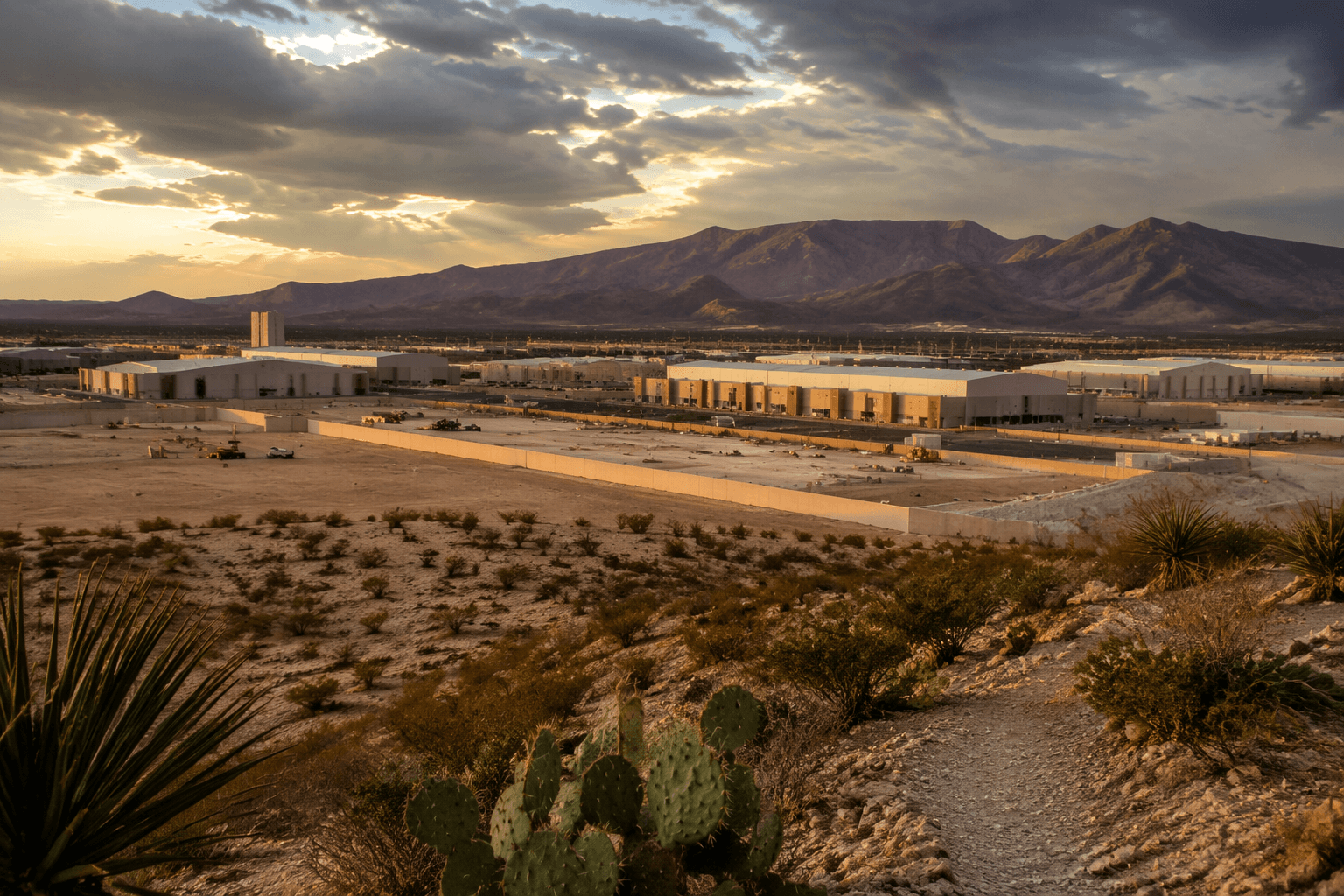
Meta said the campus should deliver more than $1.5 billion in investment to the local community, create more than 1,800 construction jobs at peak and support more than 100 operational jobs once the site is running. At 1 gigawatt, the campus would require utility-scale power, cooling and water planning, and a July 23 photo showed construction activity already visible in far Northeast El Paso.

The project has already drawn local scrutiny over transparency and community impact. In March, Meta shared information on investment growth, job opportunities and water restoration projects after lawmakers pressed for more detail, while local leaders emphasized jobs and clean-energy plans. In April, U.S. Rep. Veronica Escobar again called on Meta to hold public listening sessions on the El Paso project.
El Paso’s appeal is tied to its borderland geography, industrial land and access to regional infrastructure, but a campus this large would also add pressure to the city’s power grid and utility planning. For Meta, the deal extends its push to control the computing backbone behind social media and generative AI. For BlackRock, it deepens a bet on digital infrastructure that can generate steady returns as the AI race moves from software into power contracts, real estate and industrial-scale financing.
This article was produced by Prism’s automated news system from verified source data, official records, and press releases, then run through automated quality and moderation checks before publishing. The system is built and supervised by the people who set the standards it runs under. Read our full AI policy.
Did this article answer your question?