U.S. moves to ban foreign-made humanoid robots, targeting China
The FCC put humanoid robots on its national-security blacklist as China controls about 85% of the market.
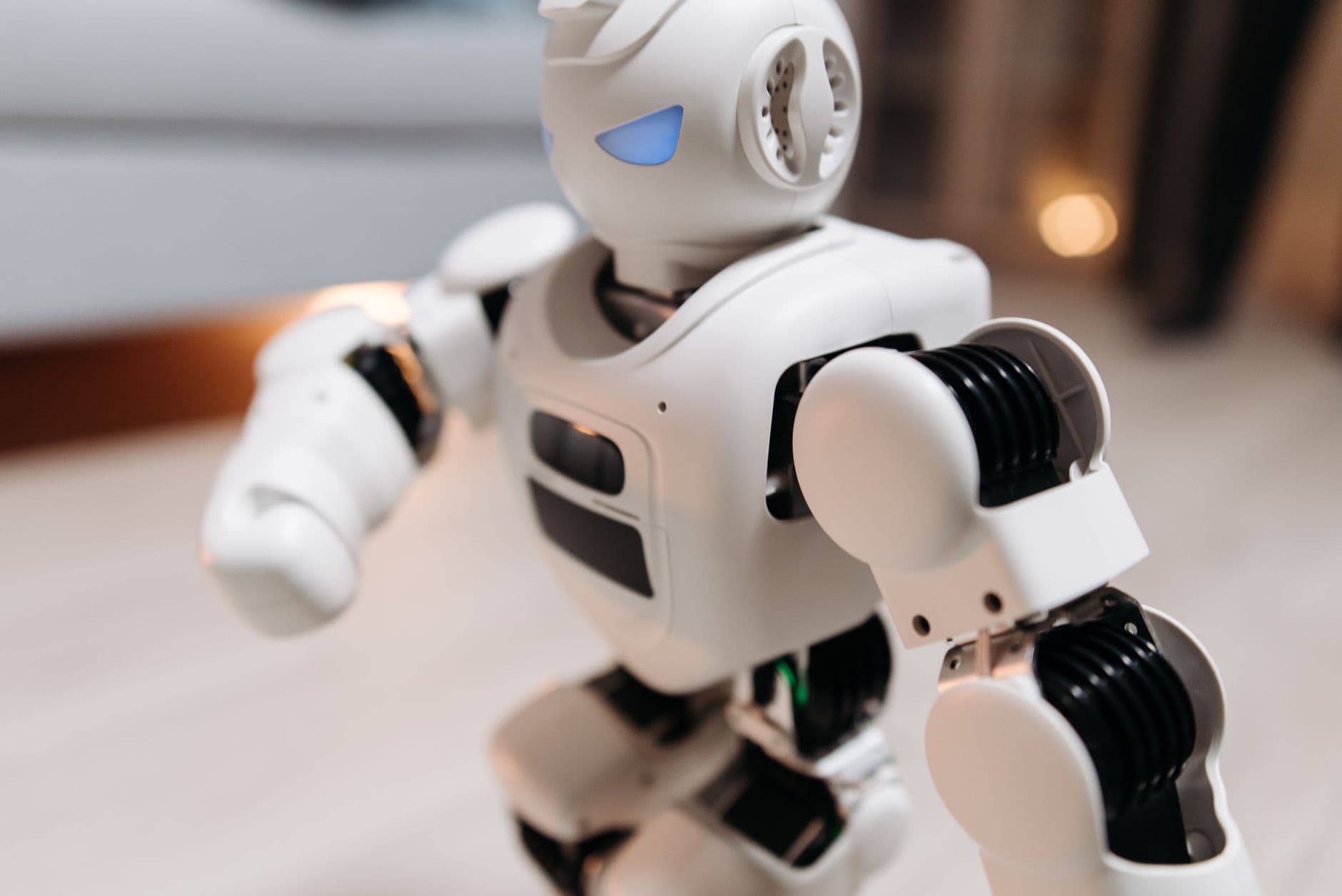
The Federal Communications Commission moved to block foreign-made humanoid robots and other advanced robotic devices from the U.S. market, putting mobile robots such as humanoids and quadrupeds on its Covered List alongside connected power inverters made abroad. The action applies to new imports.
The Covered List is reserved for equipment and services that pose “an unacceptable risk to the national security of the United States or the security and safety of United States persons.” In a July 27 national-security determination, the FCC called robotics a “next-generation technology” identified in the Trump administration’s AI Action Plan as essential to defense and national security. Advanced robotic devices would be critical to creating efficiencies in the economy, dominating on the battlefield and securing the homeland.
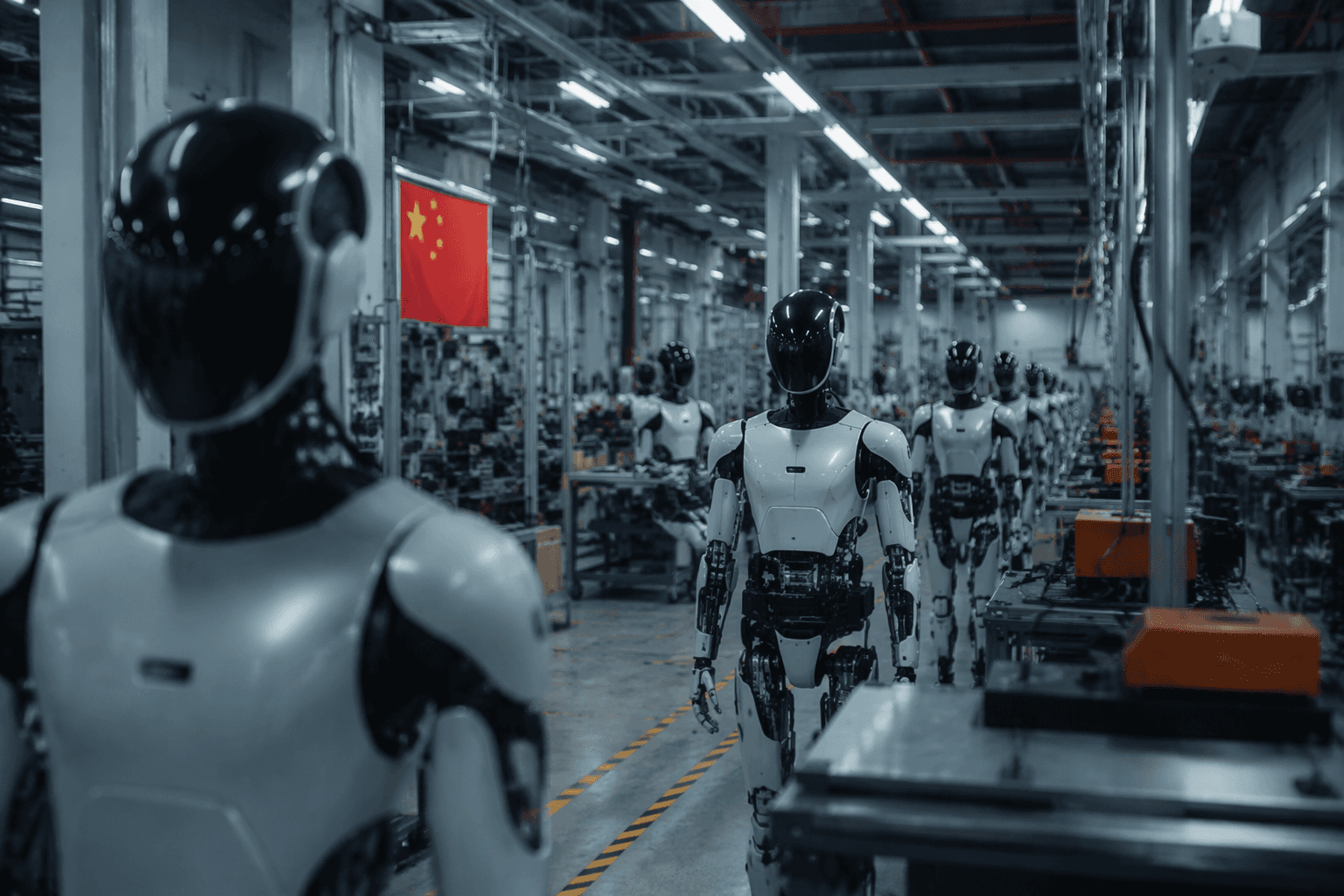
These machines are increasingly linked to industrial automation, logistics, consumer services, surveillance and military-adjacent uses, which makes them part of the wider contest over who controls the next generation of intelligent systems. The FCC’s move also folds robotics into the same policy frame now used for AI models, chips and telecom equipment, where hardware, software and cloud connectivity are treated as a single security problem.
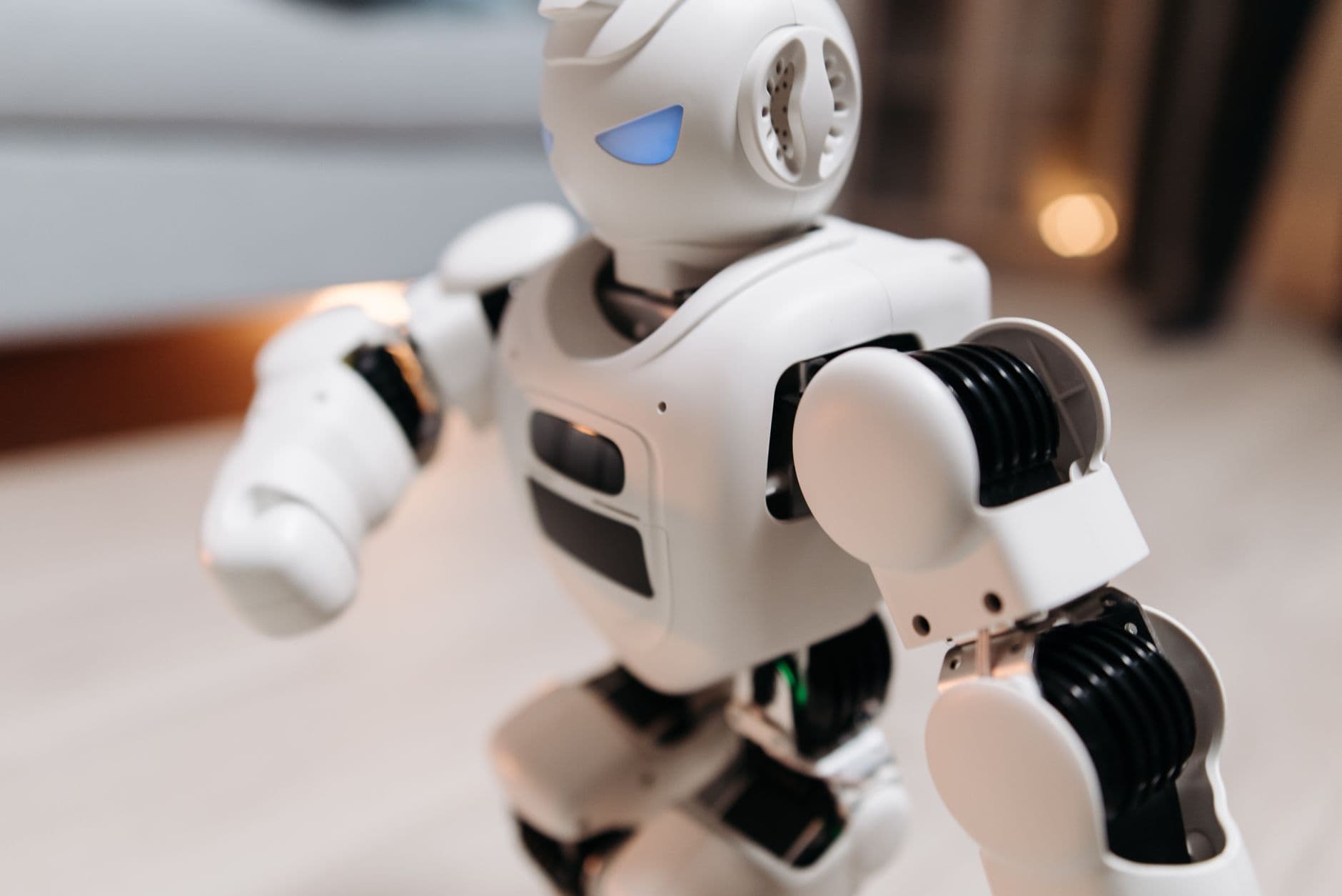
China's share of the global humanoid robot market is roughly 85%, according to the Associated Press, which also described it as the world’s biggest maker of humanoid robots. The move directly targets the dominant supplier base for a technology that U.S. companies have begun to explore for warehouses, factories and service work. The move comes ahead of a planned September visit by Xi Jinping to meet Donald Trump.
The first effects will show up in sectors that want cheaper, off-the-shelf automation quickly, especially manufacturing and logistics, where humanoid systems could be used for repetitive handling, movement and inspection tasks. U.S. robot makers may gain room to expand if they can fill the gap, but the policy also raises the risk of higher prices and slower deployment at home if domestic supply cannot scale fast enough to replace foreign systems. China criticized the move as protectionist.
This article was produced by Prism’s automated news system from verified source data, official records, and press releases, then run through automated quality and moderation checks before publishing. The system is built and supervised by the people who set the standards it runs under. Read our full AI policy.
Did this article answer your question?