Meta buys robotics AI startup, deepening push into humanoid machines
Meta has bought Assured Robot Intelligence, betting on software that could guide humanoids in homes and workplaces as AI spending surges and jobs are cut.
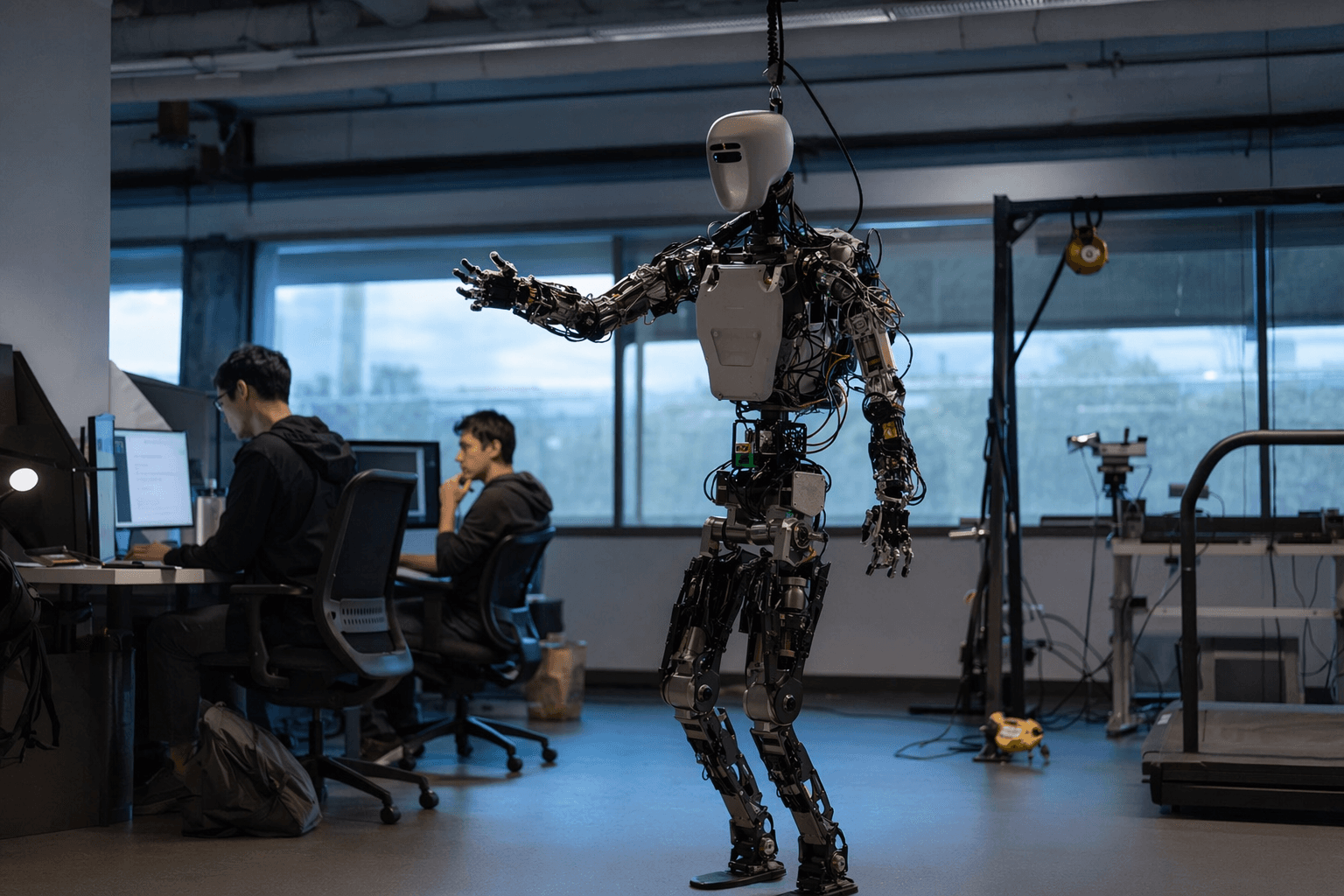
Meta has bought Assured Robot Intelligence, a startup focused on AI software for robots, in a move that pushes the company deeper into embodied AI and closer to the race to control humanoid machines. The deal closed Friday, and financial terms were not disclosed.
The acquisition is less about a single robot than about the software layer that could make physical machines useful at scale. Meta said the startup’s founders, Xiaolong Wang and Lerrel Pinto, bring robotics expertise that will help the company build models for robot control, self-learning and whole-body humanoid movement. The ARI team will join Meta Superintelligence Labs and work with Meta Robotics Studio, the internal effort Meta launched last year to develop the technology behind humanoids.
That puts Meta in direct competition with Tesla, Google and Amazon, all of which are chasing robots that can move, perceive and learn more like people. Meta has already said its V-JEPA 2 world model is designed to help robots and other AI agents understand the physical world and predict how it will respond to their actions. Its research pages also point to Habitat 3.0, a simulation platform for collaborative human-robot tasks in home environments, and Sapiens, a model family focused on human-centric vision tasks such as pose estimation and depth prediction.
The deal also reflects a broader talent grab. Wang previously worked at Nvidia and at the University of California, San Diego, while Pinto taught at New York University and co-founded Fauna Robotics, a startup Amazon acquired in March 2026. ARI had also raised an undisclosed seed round from AIX Ventures. Taken together, those moves show how aggressively the biggest technology companies are hunting for robotics researchers who can turn AI advances into systems that work in the physical world.
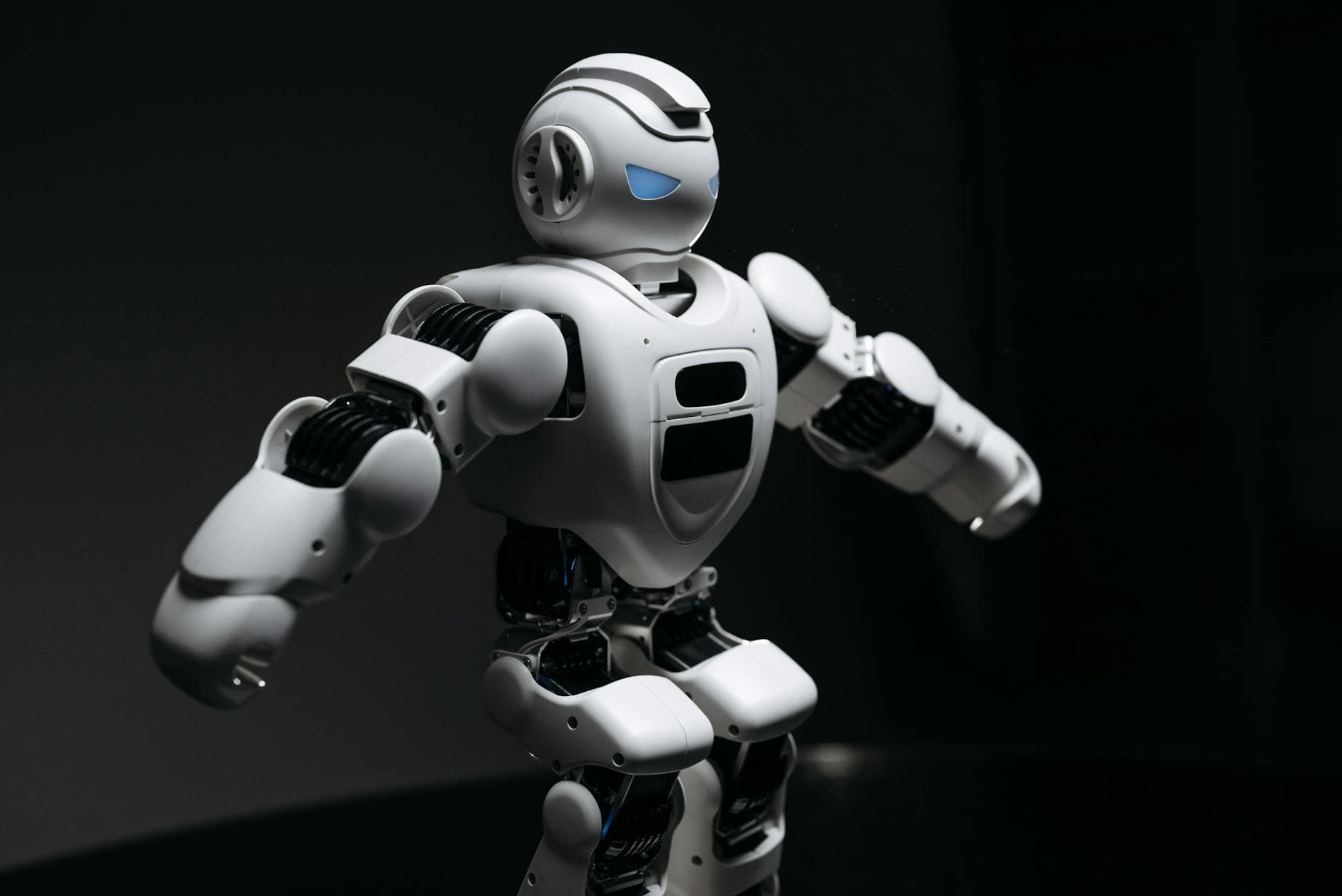
Meta is making that bet while sharply increasing its overall AI spending. The company raised its 2026 capital expenditure forecast to between $125 billion and $145 billion, and it has planned about 8,000 job cuts, roughly 10 percent of its workforce. That combination underscores a familiar pattern in Big Tech: capital is flowing toward the infrastructure, chips and models needed for the next platform shift, even as labor is trimmed elsewhere.
For workers, households and public institutions that may eventually rely on humanoid machines, the stakes go beyond novelty. Owning the robotics software stack could give Meta influence over how machines are deployed in homes, warehouses and other high-value settings, and over who gets to set the rules for a rapidly emerging market.
This article was produced by Prism’s automated news system from verified source data, official records, and press releases, then run through automated quality and moderation checks before publishing. The system is built and supervised by the people who set the standards it runs under. Read our full AI policy.
Did this article answer your question?