Meta scraps Instagram AI feature after backlash over privacy fears
Meta pulled its new Muse Image tool three days after launch, after public Instagram accounts were opted in by default and privacy critics flagged the design.
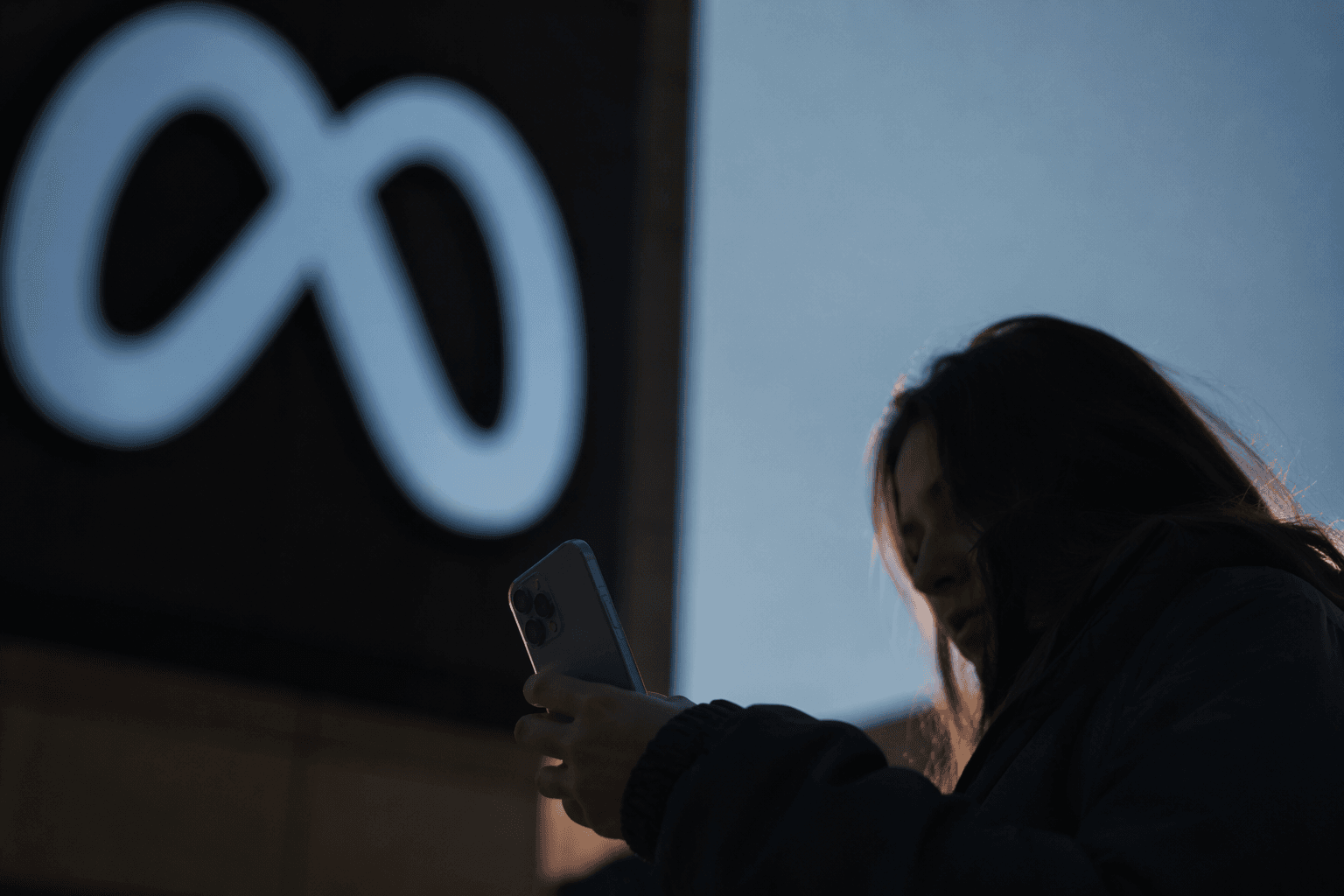
Meta said Friday it was discontinuing Muse Image, the Instagram AI feature it launched on July 7 as the first image-generation model from Meta Superintelligence Labs, after a fast and public backlash over privacy and consent. The tool let people generate AI images by @-mentioning public Instagram accounts or using public posts as reference material, and accounts that were public were automatically opted in unless users changed the setting themselves.
Meta said Instagram users under 18 were automatically opted out, but that did little to quiet criticism from users, privacy advocates and Hollywood stakeholders. Their objections centered on a basic question of control: account owners were not notified when their public posts could be used, yet the feature allowed those posts to feed a generative system by default.

The criticism quickly reached the entertainment business. Creative Artists Agency called on Meta to better protect users’ personal likenesses, and SAG-AFTRA urged members to opt out to protect their likeness. SAG-AFTRA represents more than 160,000 actors and entertainment industry professionals, and the union’s 2023 strike made AI protections a central industry issue.
By July 10, Meta was backing away. The company said the feature was no longer available. “We’ve heard the feedback that this feature missed the mark, so it’s no longer available,” Meta said, adding that its intent had been to offer a useful creative tool and give people control over whether their public content could be referenced.
The reversal underscored how quickly Meta’s generative AI rollouts can run into resistance when product design touches identity, consent and public-facing content. It also fit a wider pattern of scrutiny around Instagram and AI, with Meta again testing how far it can move first and explain later before users, creators and their representatives force a retreat.
This article was produced by Prism’s automated news system from verified source data, official records, and press releases, then run through automated quality and moderation checks before publishing. The system is built and supervised by the people who set the standards it runs under. Read our full AI policy.
Did this article answer your question?