Microsoft expands Denmark quantum lab to build fault-tolerant computers
Microsoft’s Denmark quantum site has grown into its largest worldwide, with more than DKK 1 billion invested and a push toward fault-tolerant qubits.
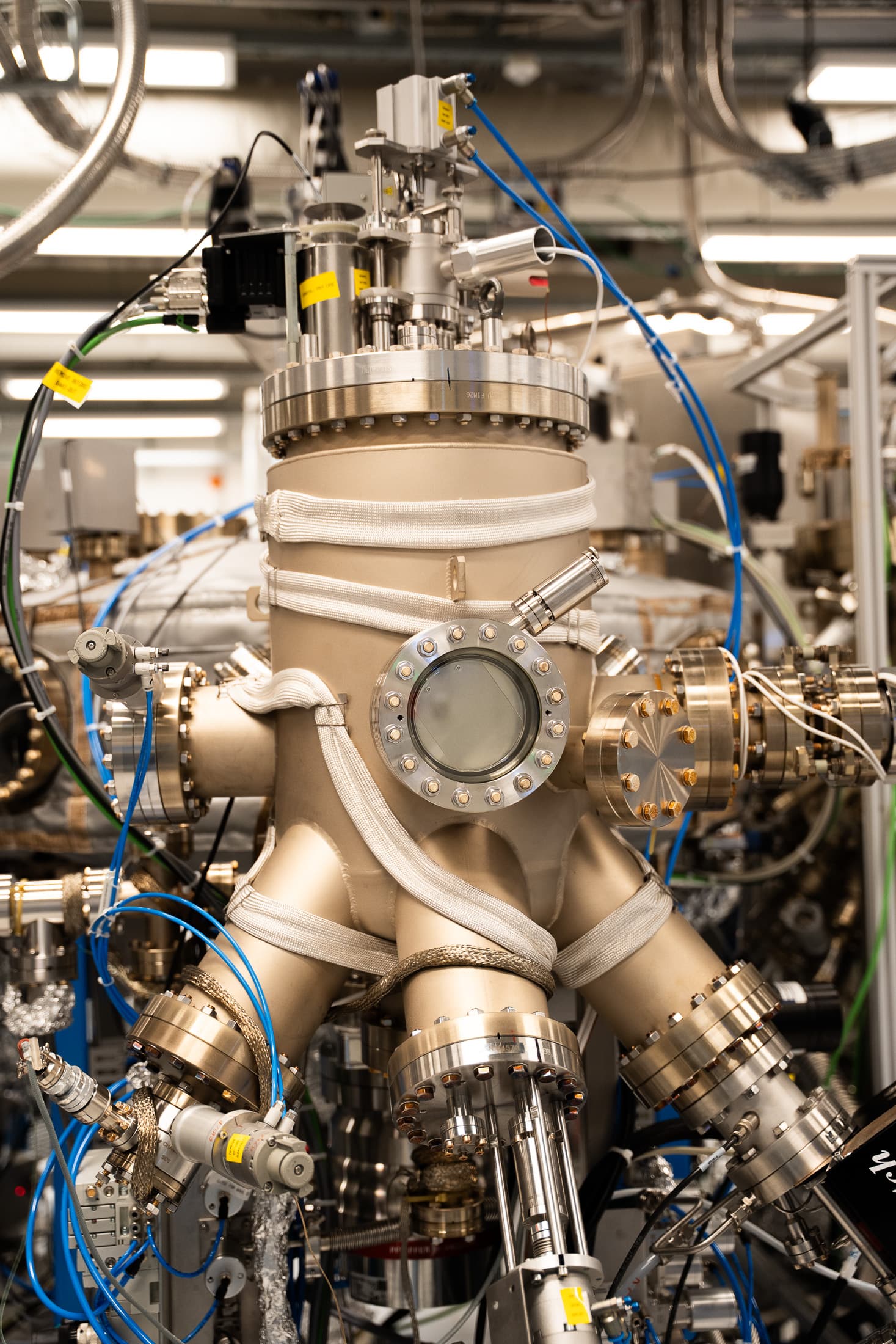
Microsoft has expanded its Quantum Lab in Lyngby, just north of Copenhagen, into what the company calls its largest quantum site globally. The facility is aimed at scalable, fault-tolerant quantum computing, with work centered on topological qubits for Microsoft’s Majorana 1 chip.
The expansion gives a concrete look at how the quantum race is being fought in practice. Microsoft says the Denmark operation is not just a showcase site but a working lab that brings together physicists, materials scientists, micro- and nanofabrication specialists and software engineers, with teams collaborating across continents. The company says its total quantum investment in Denmark has now surpassed DKK 1 billion.
The Lyngby site rests on a project Microsoft opened on September 21, 2018, when it launched a Quantum Materials Lab there with the University of Copenhagen and the Technical University of Denmark. At the time, Microsoft described the lab as a place where researchers and engineers would develop the building blocks for the first scalable quantum computer. Microsoft Research also framed the effort around the topological qubit, which it called the heart of the quantum computer.
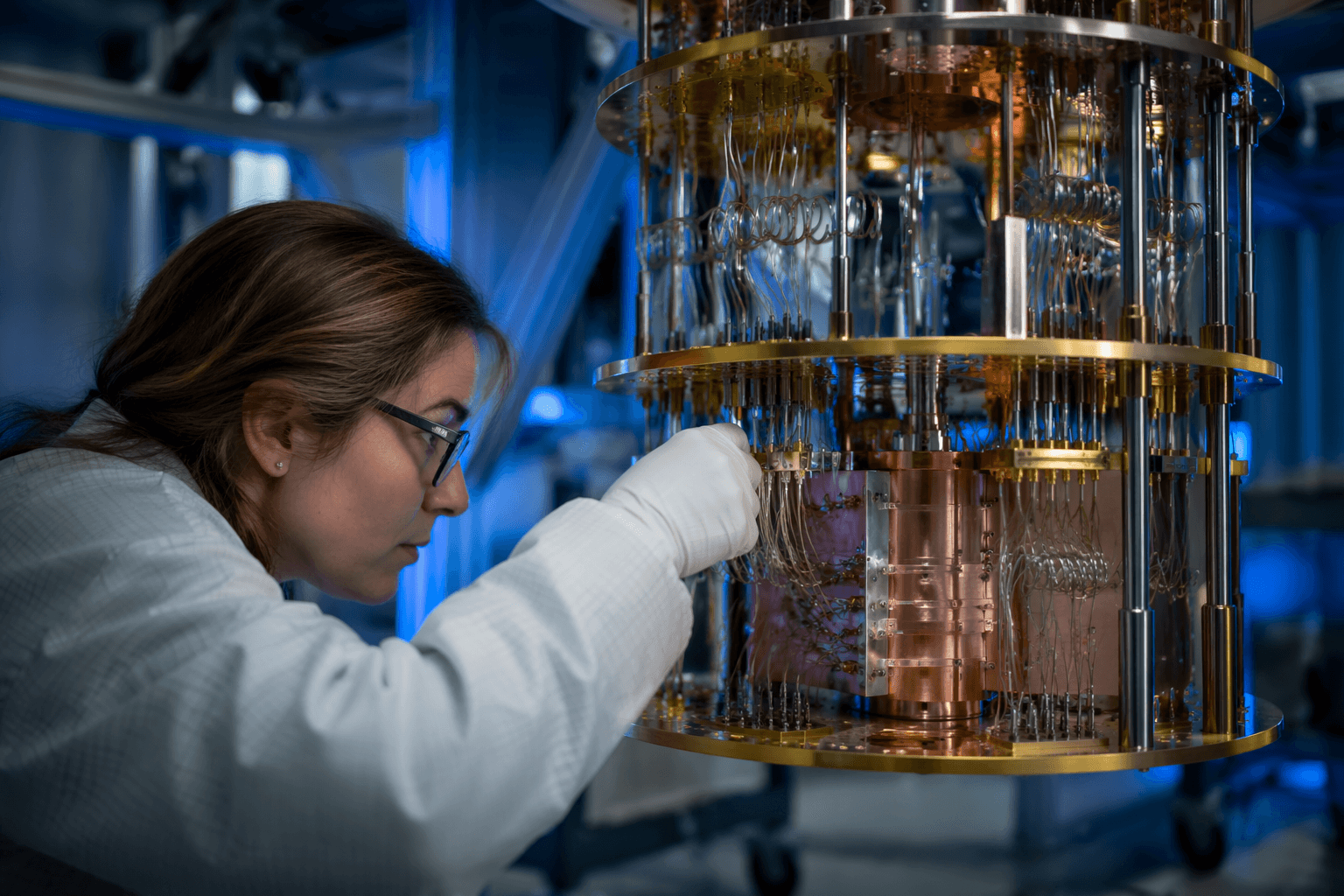
That history matters because the current expansion shows how far quantum computing still is from everyday use. The work in Denmark is concentrated on materials, fabrication and control, the unglamorous but essential steps that come before any machine can credibly claim fault tolerance. In other words, the milestone is not a finished product but the ability to make qubits that can be built, stabilized and eventually scaled.
A BBC Tech Now segment featuring Adrienne Murray’s rare access to the Danish lab ran on July 11, 2026, offering a close look at a facility Microsoft is using to tie its quantum ambitions to Europe. The company has long cast the site as part of a wider partnership effort on the continent, and the enlarged Lyngby lab now stands as its most visible bet on a technology still trying to turn laboratory promise into industrial reality.
This article was produced by Prism’s automated news system from verified source data, official records, and press releases, then run through automated quality and moderation checks before publishing. The system is built and supervised by the people who set the standards it runs under. Read our full AI policy.
Did this article answer your question?