Meta AI image detector fails on cropped versions of its own photos
Meta's detector caught every untouched Muse Image file, but missed 55% after simple crops, exposing a weak point in AI labeling as election risks rise.
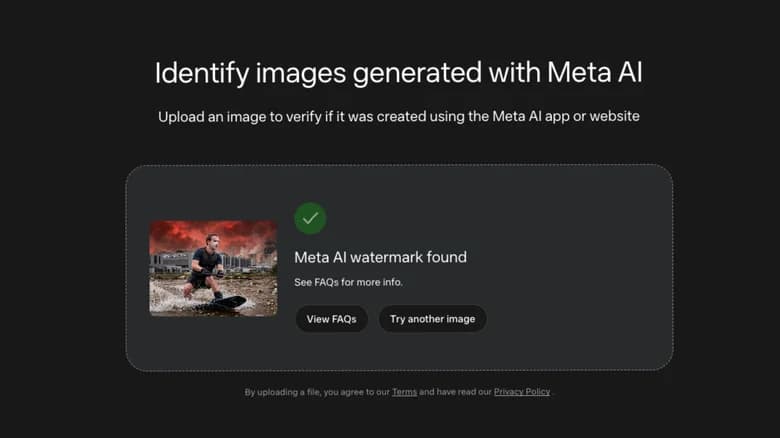
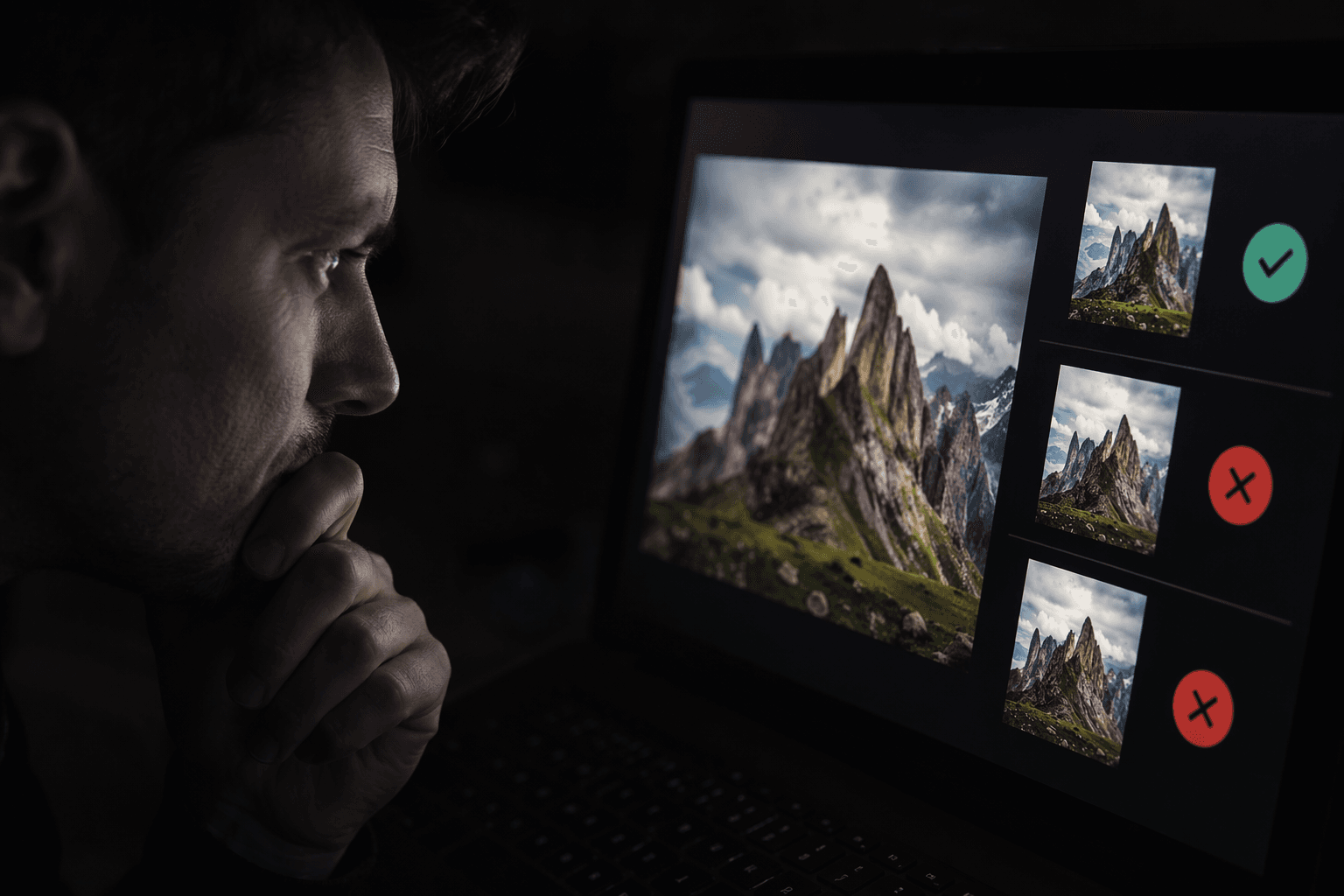
Meta's new image detector identified every untouched Muse Image file in a 40-image test, but it failed on 55% of the same pictures after they were cropped to roughly one-third to one-half of their original size. That gap comes as Meta pushes a watermark-based system called Content Seal and the 2026 U.S. election cycle approaches.
Meta introduced Muse Image on July 7 as the first image-generation model from Meta Superintelligence Labs. Creations in Meta AI can be shared directly to chat, story or feed and carry Content Seal. The preview detector is meant to verify whether a picture came from Meta's system, but the crop test showed how easily a common edit can break the signal. Cropping, resizing and compression are routine on social platforms, and they are also basic tools for fraudsters who want to strip away obvious markers before posting manipulated images.
Siwei Lyu, a computer science professor at the University at Buffalo who studies AI image forensics, identifies cropping, resizing, heavy compression or other edits as factors that can reduce watermark effectiveness. Meta acknowledges that heavier crops can make the signal disappear, even as Content Seal is designed to survive common changes.
On March 10, the company’s Oversight Board called for stronger action on deceptive AI-generated content during conflicts, pressing Meta to do more to help users identify it and improve labeling and detection. In April 2024, Meta changed its labeling approach after feedback from the board and public consultation. In February 2024, photorealistic Meta AI images were labeled “Imagined with AI” while the company worked with industry partners on technical standards.
This article was produced by Prism’s automated news system from verified source data, official records, and press releases, then run through automated quality and moderation checks before publishing. The system is built and supervised by the people who set the standards it runs under. Read our full AI policy.
Did this article answer your question?