Aberdeen study says people can learn to spot AI-generated faces
A new Aberdeen-led study found people could be trained to spot AI faces, even as earlier work showed White synthetic faces often looked more real than real ones.
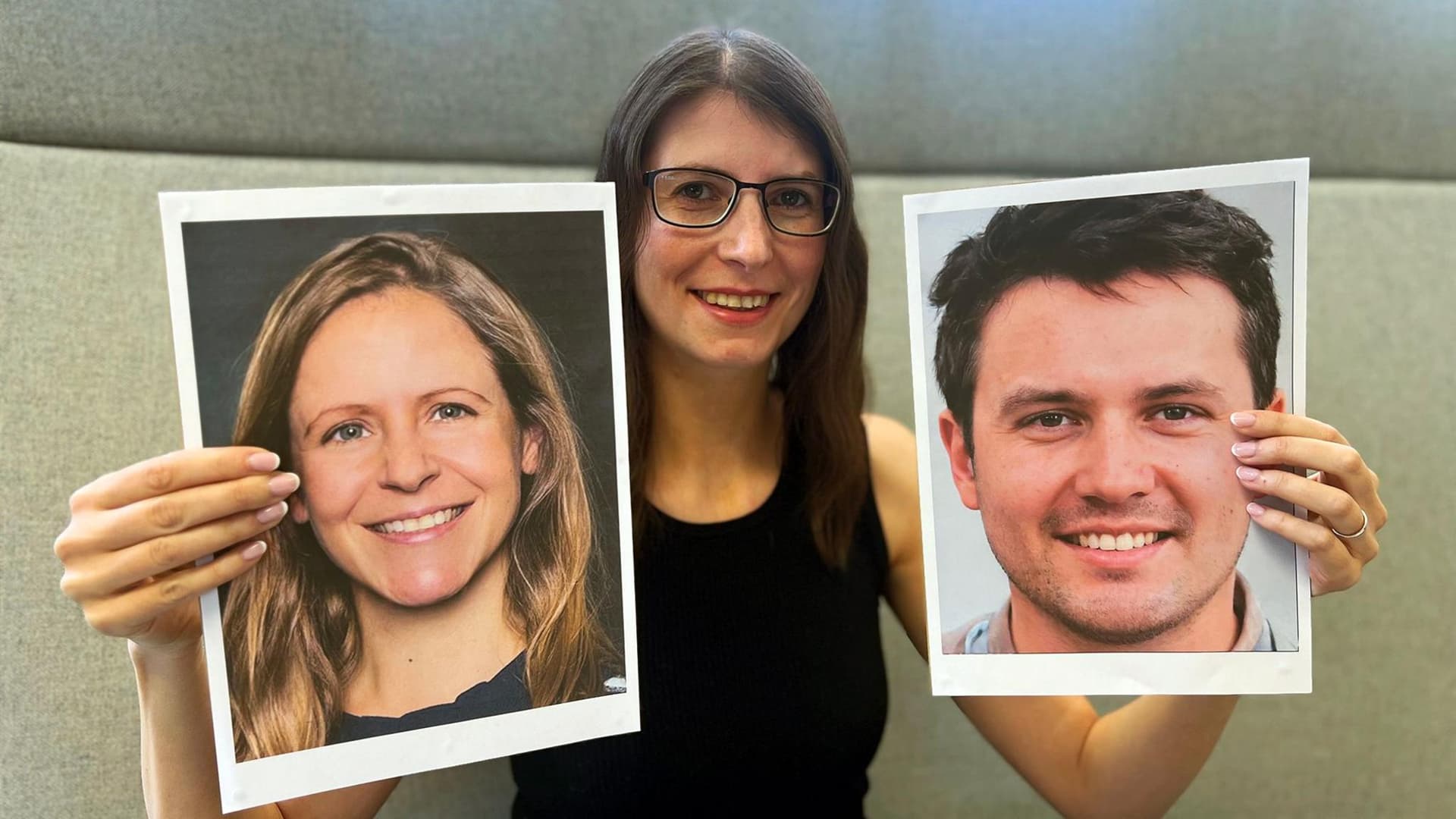
Some high performers reached near-perfect detection after learning to judge six perceptual qualities instead of hunting for obvious glitches, in a University of Aberdeen-led study published July 1.
The project brought together researchers in Australia, Canada and the United Kingdom. Associate Professor Amy Dawel of the Australian National University led the training model, and Dr Clare Sutherland served as the University of Aberdeen’s UK lead. Rather than relying on telltale errors such as extra fingers or strange earrings, the team focused participants on distinctiveness, memorability, proportionality, symmetry, attractiveness and expressiveness. Every participant improved.
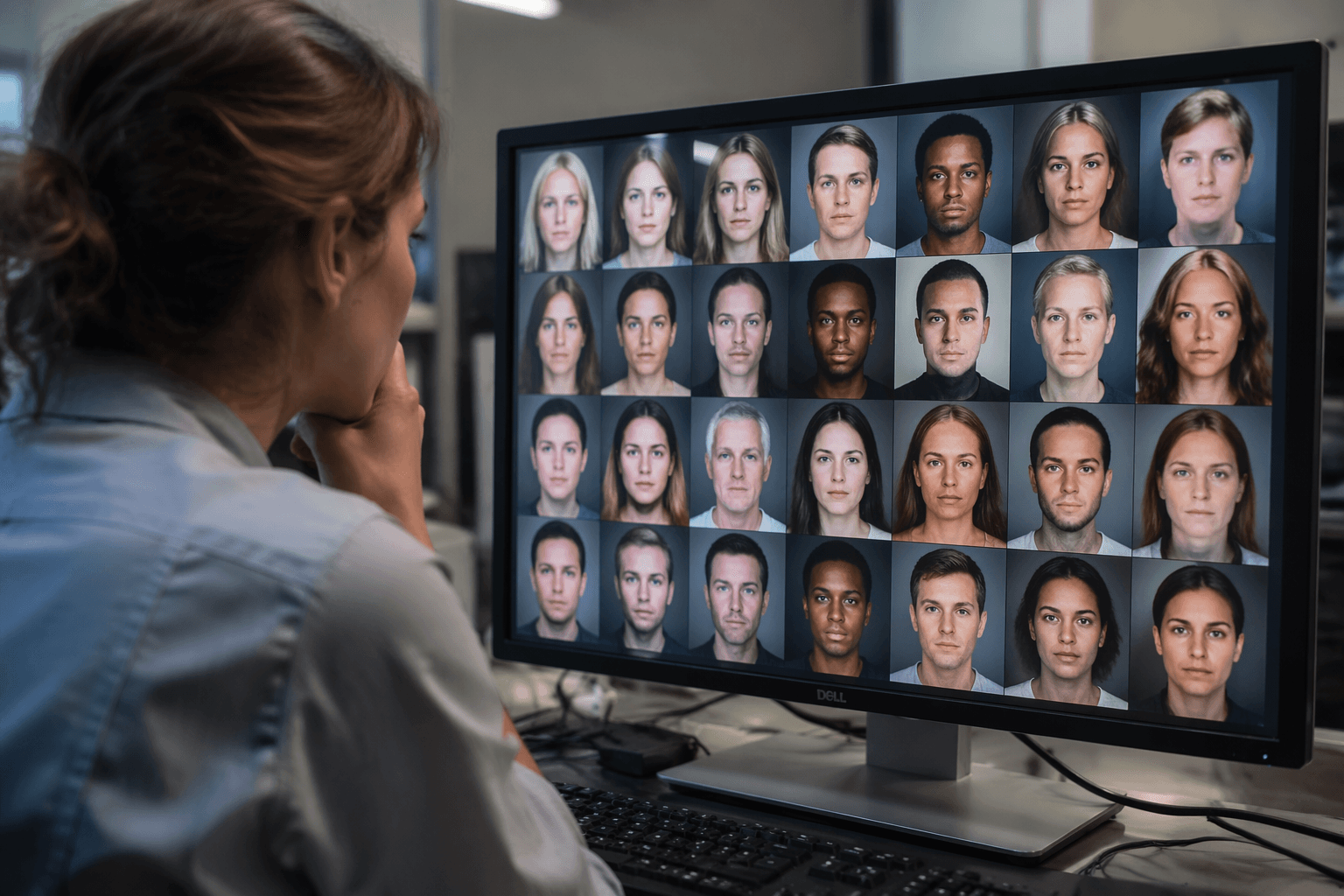
Fraudsters can avoid flawed images, and the training was designed around global face impressions rather than obvious visual artefacts. The team is now trying to shorten the training, test whether the gains last over time and see whether the method works beyond StyleGAN-generated faces and other AI-generated images. The ANU Emotions and Faces Lab has also been looking for participants for additional AI face studies.
In November 2023, University of Aberdeen-linked work found AI-generated White faces were often judged as more real than actual human faces, while the pattern did not hold for people of colour. AI systems trained disproportionately on White faces helped drive the effect, and AI-generated headshots were already reinforcing racial bias online. It also found that AI faces could appear more proportional, a trait people may mistake for humanness, and that confidence in wrong answers was often high.

In a 2023 Journal of Cybersecurity study with 280 participants, people identified AI faces only slightly better than chance, and their confidence did not match their accuracy. A 2020 workshop of experts from academia, policing, government, the private sector and state security agencies ranked deepfakes as the most serious AI threat. A 2026 analysis projected deepfake-related fraud could reach about US$40 billion a year by 2027.
This article was produced by Prism’s automated news system from verified source data, official records, and press releases, then run through automated quality and moderation checks before publishing. The system is built and supervised by the people who set the standards it runs under. Read our full AI policy.
Did this article answer your question?