Meta strikes deal for space-based solar power to feed data centers
Meta is betting on sunlight from orbit, with a 2028 demo and 2030 power delivery planned to help feed data centers that used more than 18,000 GWh in 2024.
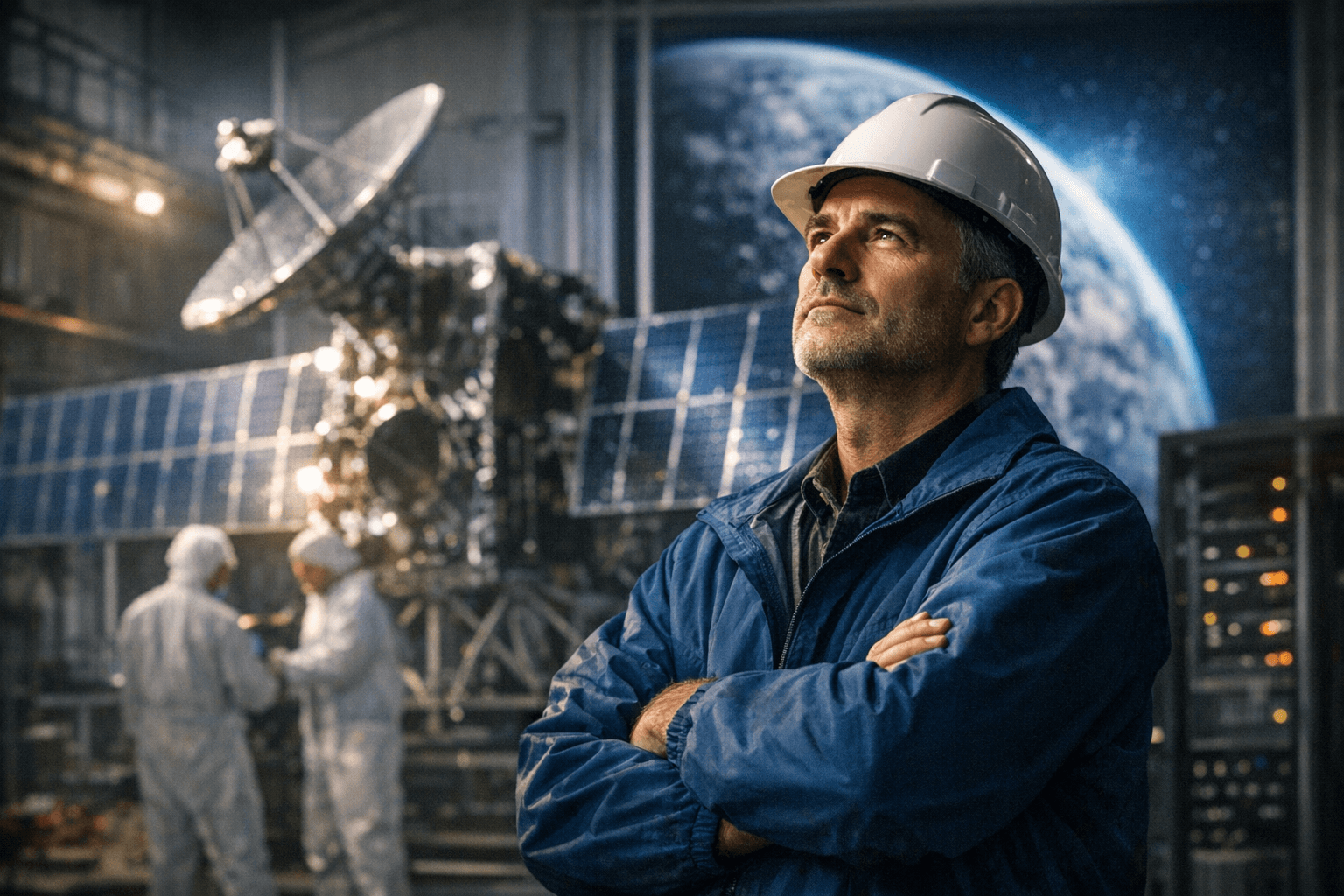
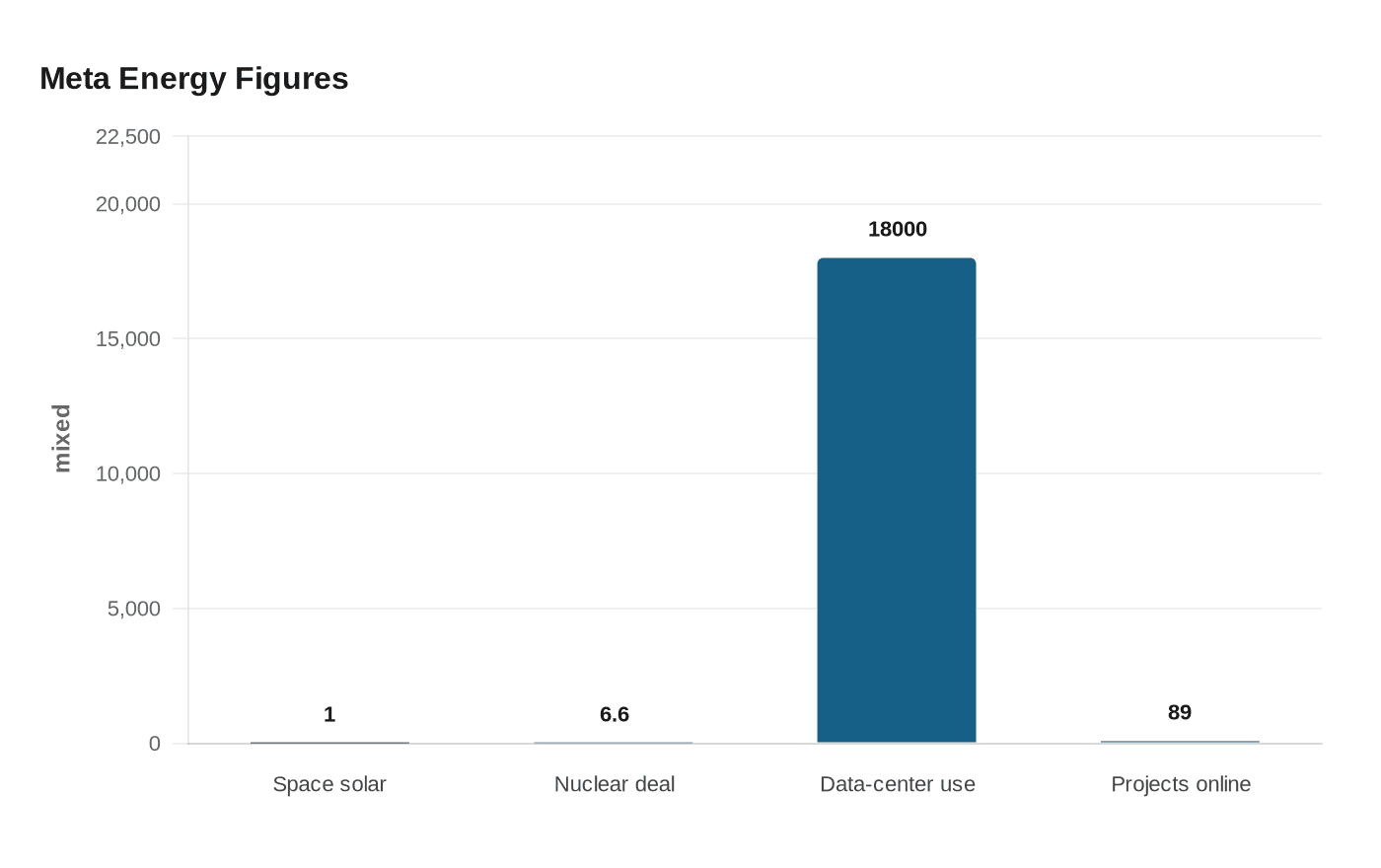
Meta is betting that electricity from orbit could help solve a very earthly problem, the company’s soaring appetite for power. The Facebook parent said it partnered with Overview Energy to bring as much as 1 gigawatt of space solar energy to Earth for its AI infrastructure, a system meant to boost existing solar farms by producing electricity around the clock.
Meta said on April 27, 2026 that the agreement was one of two new deals aimed at delivering reliable power for its AI infrastructure. Overview Energy said the partnership was a first-of-its-kind agreement and described the approach as American-built space solar energy. The first orbital demonstration is expected in 2028, with commercial power delivery targeted for 2030. Financial terms were not disclosed.
The appeal is clear. Space-based solar would not stop when clouds roll in, when night falls or when local weather cuts output. For a company running gigawatt-scale data centers across the United States, that kind of uninterrupted generation is less a moonshot than a hedge against the limits of the terrestrial grid. Nat Sahlstrom, Meta’s vice president of energy and sustainability, called it “a transformative step forward” because it can deliver new uninterrupted energy from orbit while using existing terrestrial infrastructure.
That ambition lands in the middle of a race among technology companies to lock down firm power years before it is needed. Meta said it has contracted for more than 30 gigawatts of new clean and renewable energy over the last decade, and that 89 of its 128 clean-energy projects were online and producing power at the end of 2024. It has also said it matches 100% of the electricity use of new data centers with clean energy, including recent projects in Kansas City, Missouri, Lebanon, Indiana and Beaver Dam, Wisconsin, while emphasizing dry-cooling and water stewardship.
The scale of the demand explains the urgency. TechCrunch reported that Meta’s data centers used more than 18,000 gigawatt-hours of electricity in 2024, roughly enough to power more than 1.7 million American homes for a year. In January, Meta said nuclear agreements with Vistra, TerraPower and Oklo could unlock up to 6.6 gigawatts of capacity, showing how aggressively it is diversifying beyond conventional utility contracts.
That strategy reflects a broader pressure on the grid. The International Energy Agency says data-center electricity consumption is rising rapidly through 2030, driven in part by AI. Space solar may offer a future path to firm power, but it still faces the hard tests of orbital engineering, transmission, cost and commercial scale. For Meta, the deal signals not just a search for cleaner energy, but a scramble to secure enough electricity to keep AI growth from colliding with physical limits on the ground.
This article was produced by Prism’s automated news system from verified source data, official records, and press releases, then run through automated quality and moderation checks before publishing. The system is built and supervised by the people who set the standards it runs under. Read our full AI policy.
Did this article answer your question?