Meta uses AI bone structure scans to detect underage users on Facebook, Instagram
Meta said it will scan photos and videos for height and bone-structure clues to estimate age. The move deepens child-safety efforts but raises fresh surveillance and privacy questions.
Meta said it will begin using artificial intelligence to scan photos and videos on Facebook and Instagram for visual clues, including height and bone structure, to estimate whether a user may be under 13. The company framed the change as a child-safety measure, but its reliance on biometric-style analysis puts new pressure on how far platforms can go in policing age online without crossing into intrusive surveillance.
The system is not facial recognition, Meta said, and it does not identify the specific person in an image. Instead, it looks for “general themes and visual cues” and pairs that analysis with a broader review of entire profiles. That review can include posts, comments, bios, captions, Instagram Reels, Instagram Live and Facebook Groups, with Meta said to be looking for contextual signs such as birthday celebrations or references to school grades.

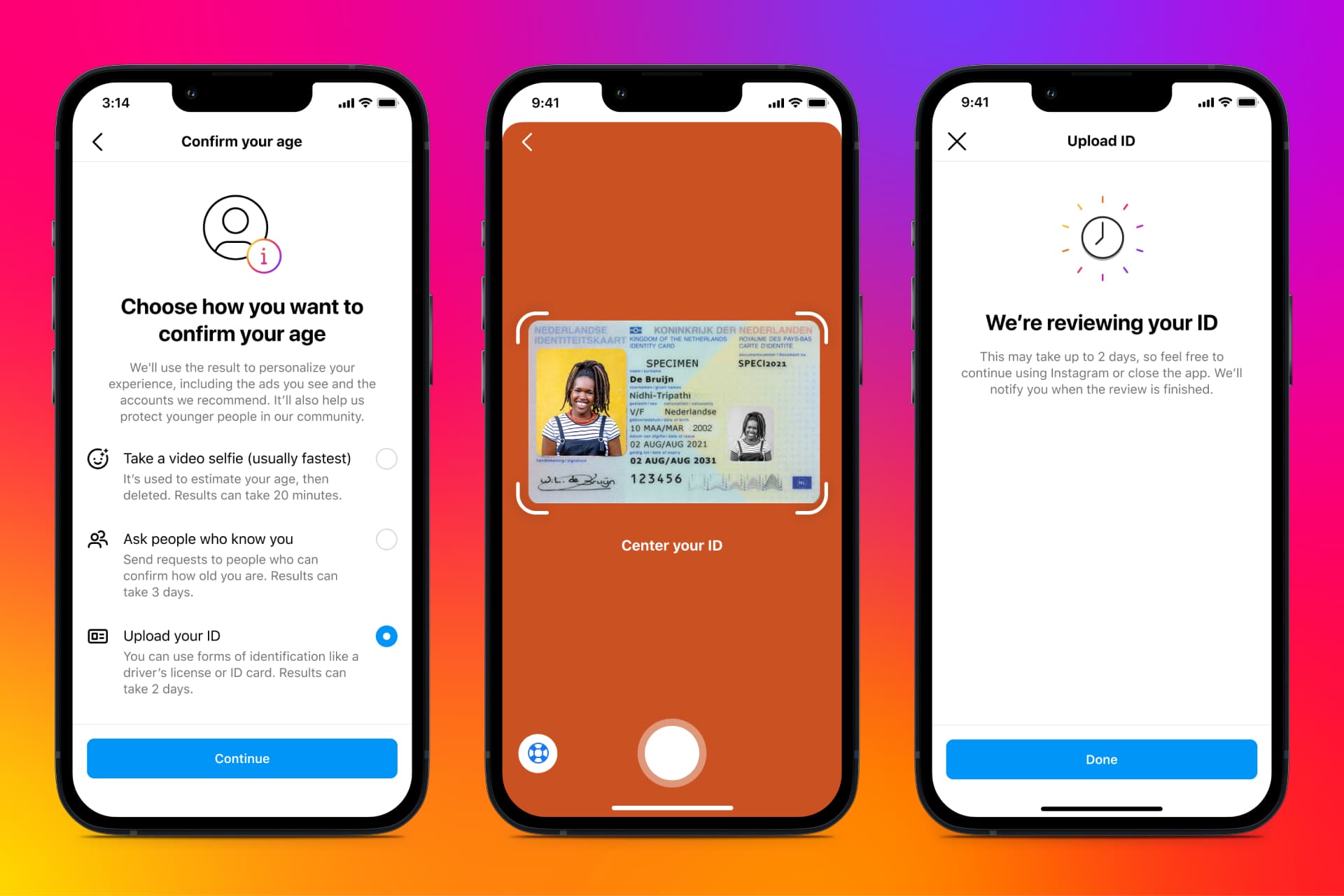
If Meta concludes that an account may belong to someone underage, the account will be deactivated unless the user completes Meta’s age-verification process and proves eligibility. Meta says Facebook and Instagram require users to be at least 13, and it has spent years trying to remove accounts it believes belong to younger children. The company also said Teen Accounts are already active on Instagram, Facebook and Messenger, and that users under 18 are automatically placed into a 13-plus content setting.
Meta said it is expanding those teen-protection measures to Instagram in the European Union and Brazil, and to Facebook in the United States. It also said it is giving parents tips on how to talk with teenagers about being honest about their age online, an acknowledgment that platform enforcement alone cannot solve misreporting by minors who are eager to access adult-facing feeds and features.
The policy lands amid intensifying regulatory pressure. On April 29, 2026, the European Commission said Meta was in preliminary violation of the Digital Services Act for failing to adequately keep under-13s off Facebook and Instagram, and said reporting a minor’s account could take as many as seven clicks. If those findings are confirmed, Meta could face fines of up to 6% of its worldwide annual turnover. Meta told CNBC it disagreed with the preliminary findings and said it would share additional measures soon. The company has also faced recent U.S. court rulings in March over teen mental-health harms and children’s safety on its platforms, sharpening the debate over whether biometric age checks are a safeguard or the start of broader age policing online.
This article was produced by Prism’s automated news system from verified source data, official records, and press releases, then run through automated quality and moderation checks before publishing. The system is built and supervised by the people who set the standards it runs under. Read our full AI policy.
Did this article answer your question?