Meta weighs stock offering to fund tens of billions for AI push
Meta is exploring a stock sale for tens of billions of dollars, a sign that even the richest AI builders may need outside capital to keep pace.
Meta is weighing a stock offering that could raise tens of billions of dollars for its artificial intelligence push, a move that would underscore how expensive the race to build frontier AI infrastructure has become. The proposal is still exploratory, with no banks hired, but the idea alone helped knock Meta shares down 6.6 percent as investors absorbed the scale of the company’s spending ambitions.
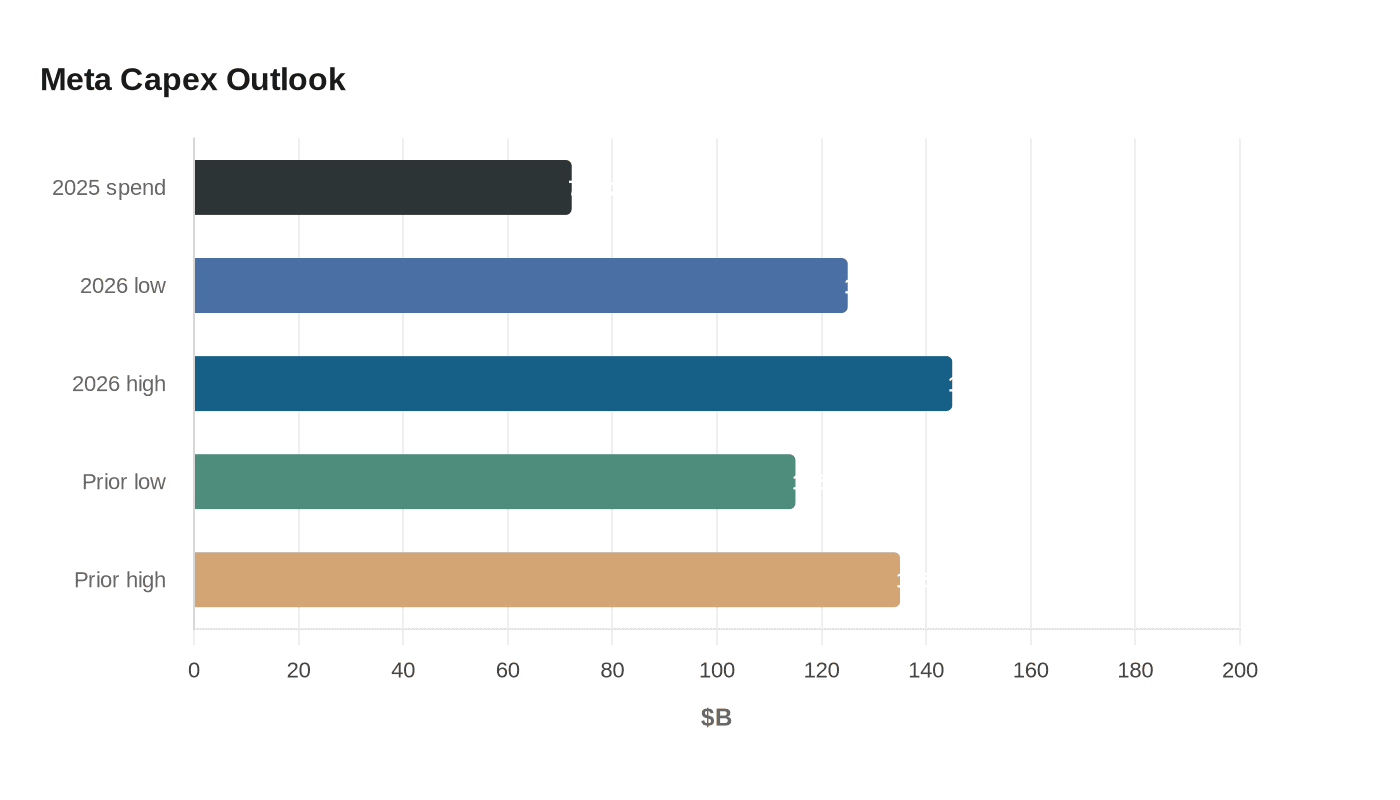
The financing discussion comes after Meta sharply lifted its 2026 capital expenditure forecast to between $125 billion and $145 billion, up from a prior range of $115 billion to $135 billion. In the same update, Meta said it had spent $72.22 billion on capital expenditures in full-year 2025. The company also said it had released the first model from Meta Superintelligence Labs and said it was on track to deliver personal superintelligence to billions of people. That combination of rising outlays and ambitious product claims has made capital discipline a central question for investors.

Meta’s latest thinking fits a broader shift across Big Tech, where cash-rich companies are increasingly turning to debt and equity markets to finance data centers, chips and power-heavy computing systems. Alphabet recently upsized its own equity offering to $84.75 billion from $80 billion, signaling that investors are still willing to fund AI infrastructure at a massive scale when the growth narrative is strong. Meta’s talks appear to have intensified after that deal showed how quickly capital can be raised for the AI buildout.
The company has already leaned hard on private financing. On Oct. 21, 2025, Meta announced a joint venture with funds managed by Blue Owl Capital to develop the Hyperion data center campus in Richland Parish, Louisiana. Blue Owl’s funds contributed about $7 billion in cash, Meta received about a $3 billion one-time distribution, and coverage of the deal described the financing as roughly $27 billion, with Blue Owl’s funds holding 80 percent and Meta retaining 20 percent while handling construction and property management services.
Hyperion has become a symbol of the AI spending race because it shows how much money is required before a single new model reaches scale. Meta has said the Richland Parish project has generated more than $875 million in contracts with Louisiana businesses and more than $300 million in infrastructure investment for roads, water and wastewater systems. But the project has also drawn scrutiny over power costs and the strain that large data centers can place on local utilities.
For Meta, the question is no longer whether AI will require enormous spending. It is whether that spending can keep translating into growth in ads, cloud capacity and new AI products without forcing the company to accept more dilution, more leverage, or both.
This article was produced by Prism’s automated news system from verified source data, official records, and press releases, then run through automated quality and moderation checks before publishing. The system is built and supervised by the people who set the standards it runs under. Read our full AI policy.
Did this article answer your question?