Metta Meditation Explained, Practice Tips and Research Backing
Jeremy David Engels, a scholar at Penn State, lays out what metta or loving kindness meditation is, how it differs from other practices, and clear step by step instructions readers can try at home. The piece highlights clinical findings that link metta to reduced anxiety and depression, greater life satisfaction, and stronger social connection, making it a practical tool for personal wellbeing and community harmony.
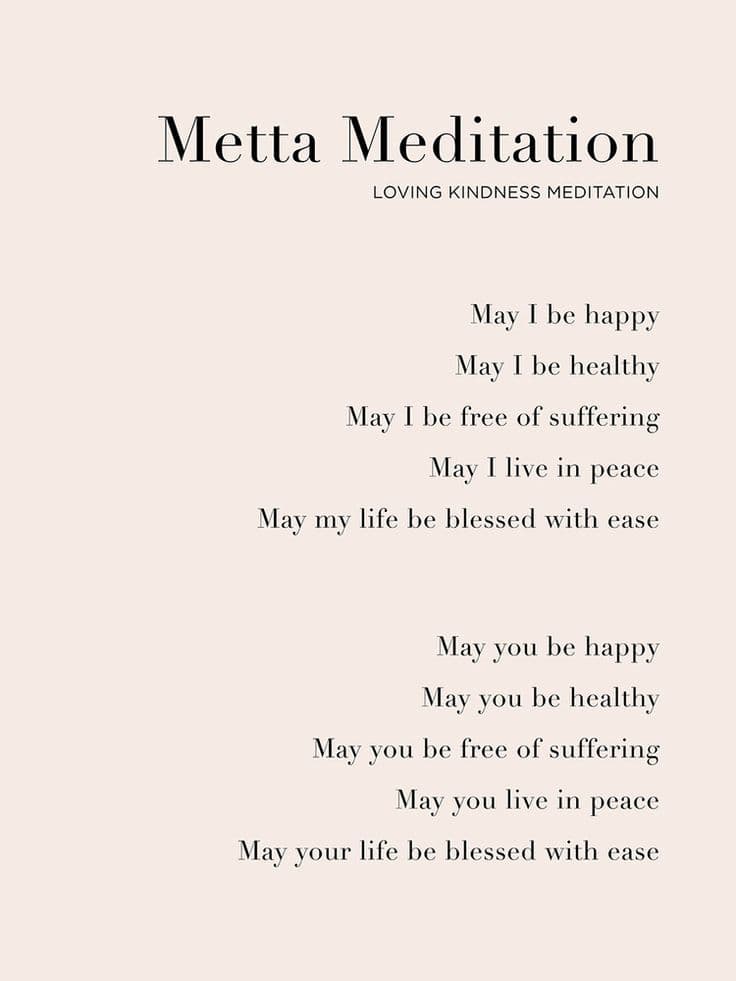
Jeremy David Engels at Penn State presents a clear primer on metta, commonly called loving kindness meditation, and why it matters now for people seeking both inner calm and better relationships. Unlike breath focused practices that train attention or open awareness methods that notice whatever arises, metta intentionally cultivates goodwill with repeated wishes directed first toward oneself, then toward others. Clinical research cited links regular metta practice to reductions in anxiety and depressive symptoms, increases in life satisfaction, and stronger feelings of connection to others.
The practice follows a traditional structure that begins with wishes for oneself, moves to a beloved person, and then widens through circles that include friends, neutral people, strangers, difficult people, and ultimately all beings. Engels offers step by step instructions for beginners. Sit comfortably and breathe naturally. Start by bringing to mind yourself and silently repeat short phrases of goodwill. Visualize the person or group who will receive each wish. Move next to a loved one, then to an acquaintance, then to a stranger, and widen the circle as you feel ready.
Typical phrases used in metta practice are simple and repeatable. Examples include wishes for safety, well being, ease, or happiness. Practical tips from Engels stress starting with short repeated phrases, using visualization to make the recipient of goodwill concrete, and expanding the circle gradually rather than forcing large sweeps of compassion. These suggestions make the practice accessible for five minute sessions as well as longer sittings, and they help sustain a regular habit.

Beyond personal benefits, cultivating loving kindness has social payoff. Research points to improvements in empathy and more positive relational attitudes, outcomes that can ripple through families, friendships, and community groups. Try a brief metta session today, begin with someone easy to care for, and notice how small, repeated wishes can change how you feel and how you relate to others over time.
Know something we missed? Have a correction or additional information?
Submit a Tip