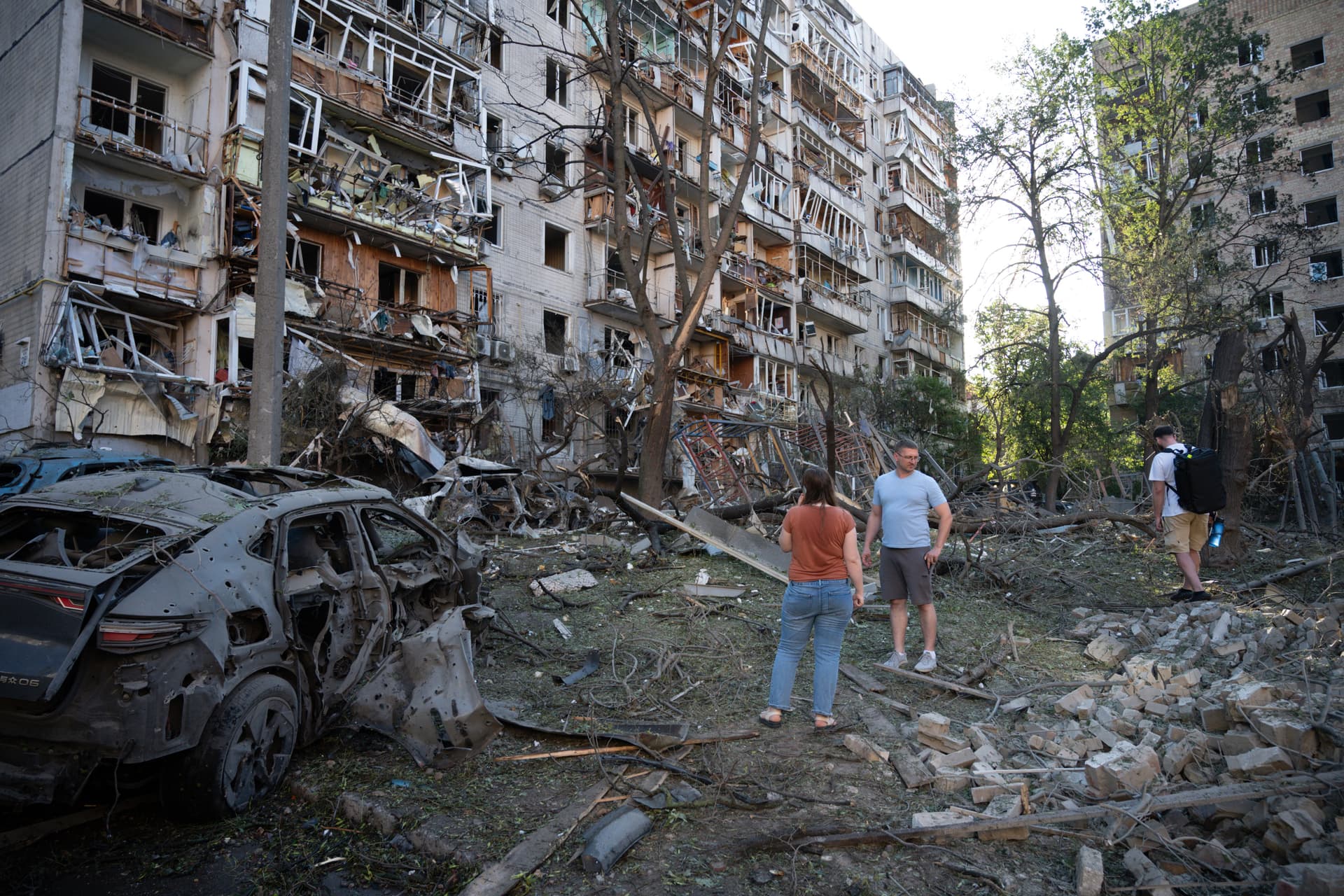
Mexican raid on El Mencho leaves 62 dead, tourism snarled
Mexican authorities say a raid that targeted El Mencho left at least 62 dead, stranding more than 1,000 visitors and prompting curfews, flight cancellations and local closures.
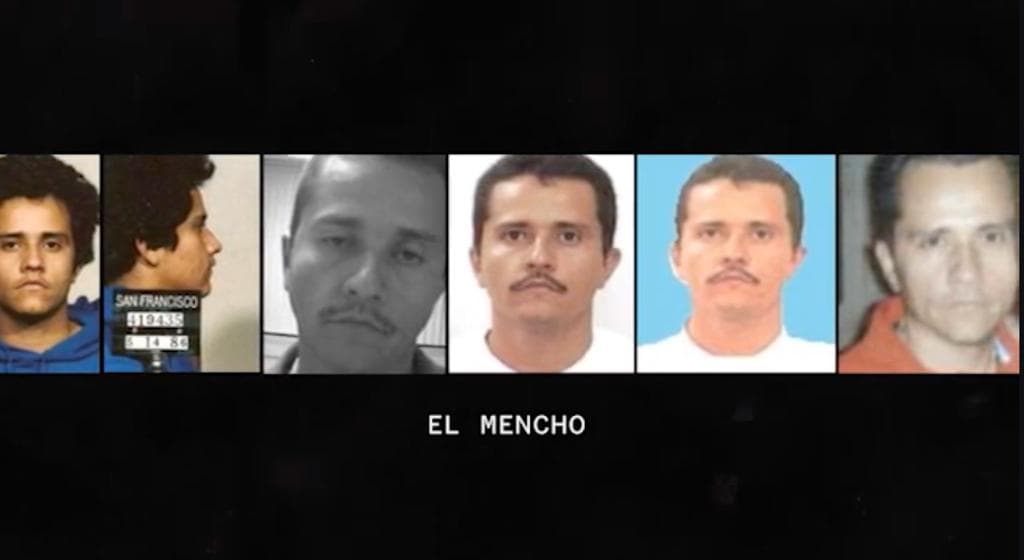
Mexican authorities said a military operation that targeted the cartel leader known as El Mencho left at least 62 people dead and set off violent unrest across multiple cities, leaving tourist hubs ringed by burning vehicles and travelers stranded, officials and eyewitnesses said.
In Guadalajara, more than 1,000 visitors from around the country were forced to spend the night inside the city zoo after burning vehicles blocked main roads, preventing buses from leaving. Twenty-one buses carrying families and children remained in the zoo lot, guarded by local police and armed forces as passengers slept inside, unsure whether it was safe to depart. “We came here on an excursion and were left trapped,” said Ángeles Martínez, one of the visitors. “We were looking at the animals and our phones exploded with news of what was happening outside and it was so scary.”
On the Pacific coast, the resort city of Puerto Vallarta was left shrouded in smoke and unease. Footage and eyewitness accounts described flames, explosions and buses on fire. A U.S. resident in the city, David Bar-Tal, said he and his partner saw “black fire pillars” and explosions near their house before the violence eased. “Now it’s midnight. It’s been quiet for quite a while. No explosions, no cars on fire,” he said, adding that the daytime unrest had been “hectic.” Local authorities imposed curfews and the closure of schools and shops was expected, while roads were blocked and flights were canceled, leaving tourists unable to leave.
Travel disruption and sudden insecurity threaten measurable economic damage in areas that rely heavily on visitors. Puerto Vallarta and Guadalajara are major tourism and business centers; even a short period of suspended travel and local closures can depress hotel occupancy, restaurant receipts and transport revenue. The immediate snapshot is one of lost commerce and higher security costs as police and the military mount protective operations and escorts for stranded buses.
The operation’s human toll and the spread of violence underscore a policy dilemma for Mexican authorities. Using high-intensity military raids to target senior cartel figures can deliver a tactical victory but appears to carry a risk of rapid, widespread reprisals that disrupt daily life and economic activity. Officials have not released a detailed breakdown of the casualties reported, whether they were cartel members, civilians or security personnel, and that lack of clarity is likely to complicate political and legal assessments of the operation.
Beyond the immediate shocks, investors and tourism managers will watch whether unrest persists into the coming weeks. Consumer-facing businesses in affected cities face short-term revenue losses, and repeated episodes of instability could alter travel patterns and insurance costs for local businesses. For national policymakers, the incident will intensify pressure to produce transparent casualty reporting, clearer rules of engagement and crisis management plans that limit spillovers into commercial districts and travel infrastructure.
For now, authorities and residents contend with smoldering vehicles, guarded convoys and the task of evacuating trapped families. In Guadalajara, on Monday morning, parents and children gathered their belongings and waited for officials to escort their buses out of the city. The full economic and political fallout will hinge on how quickly normal movement and commerce resume and whether officials provide a clear accounting of the operation and its victims.
This article was produced by Prism’s automated news system from verified source data, official records, and press releases, then run through automated quality and moderation checks before publishing. The system is built and supervised by the people who set the standards it runs under. Read our full AI policy.
Did this article answer your question?