Mexico City orders remote work, closes schools for World Cup opening
Mexico City will send federal workers home and close schools for World Cup opening day, a sign the tournament is already straining the capital.

Mexico City is forcing a pause on ordinary life to keep the World Cup opening from choking its streets. President Claudia Sheinbaum ordered federal workers in the capital to work from home on June 11 and suspended classes from preschool through university in public and private schools for the day.
The decree is aimed at easing congestion and improving road safety as opening events and celebrations build around the first match. Essential services, including health care, security, critical infrastructure and World Cup operations, were exempted, but the order still reaches deep into the city’s daily rhythm. For commuters, parents and employers, the message is clear: getting around the capital during the tournament’s opening stretch will be treated as a public-management problem, not just a sports-week inconvenience.
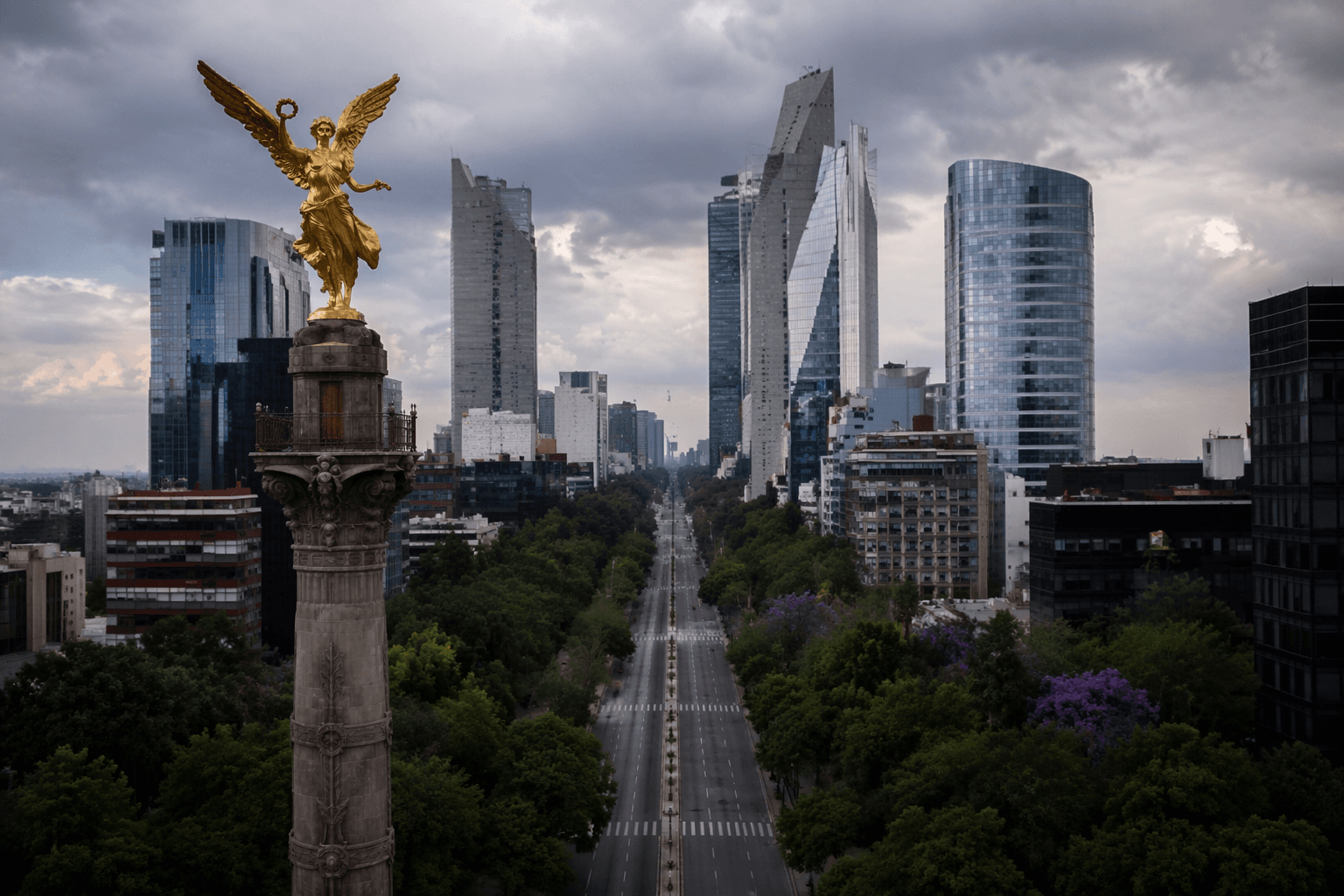
Officials have already been preparing for that pressure. Mexico City installed its FIFA 2026 World Cup Committee on October 23, 2024, with a mandate to coordinate logistics, security and mobility. City leaders said the committee would meet every month to plan, coordinate and execute those efforts, and they have said the capital expects about 6 million tourists for the tournament.
The scale of the event explains why the city is reaching for extraordinary measures. FIFA says Mexico will open the biggest-ever World Cup on Thursday, June 11, 2026, at Mexico City Stadium and will play all three of its group-stage matches on home soil. Local officials have also said Estadio Azteca will become the first stadium in the world to host three World Cup opening matches, giving the capital a historic role as well as an operational burden.
That burden is already visible in the public works agenda. City officials have highlighted more than 2,000 public works projects and renovations at 20 Metro stations as part of the buildup, along with upgrades tied to routes linking Estadio Azteca to Mexico City International Airport, Felipe Ángeles International Airport, hotels and tourist sites. The goal is to keep the capital moving when visitors, officials and fans arrive in force.
The measures show how a mega-event can spill far beyond the stadium. By closing schools and pushing federal employees home, Mexico City is trying to prevent gridlock, accidents and delays before kickoff. It is also revealing the cost of hosting a global spectacle in a city where transportation, safety and access to public services are already tightly intertwined.
This article was produced by Prism’s automated news system from verified source data, official records, and press releases, then run through automated quality and moderation checks before publishing. The system is built and supervised by the people who set the standards it runs under. Read our full AI policy.
Know something we missed? Have a correction or additional information?
Submit a Tip