Mexico economy rebounds in April, posts strongest growth in five years
Mexico's economy grew 1.2% in April, its biggest monthly jump since March 2021, as manufacturing and services both outpaced forecasts.
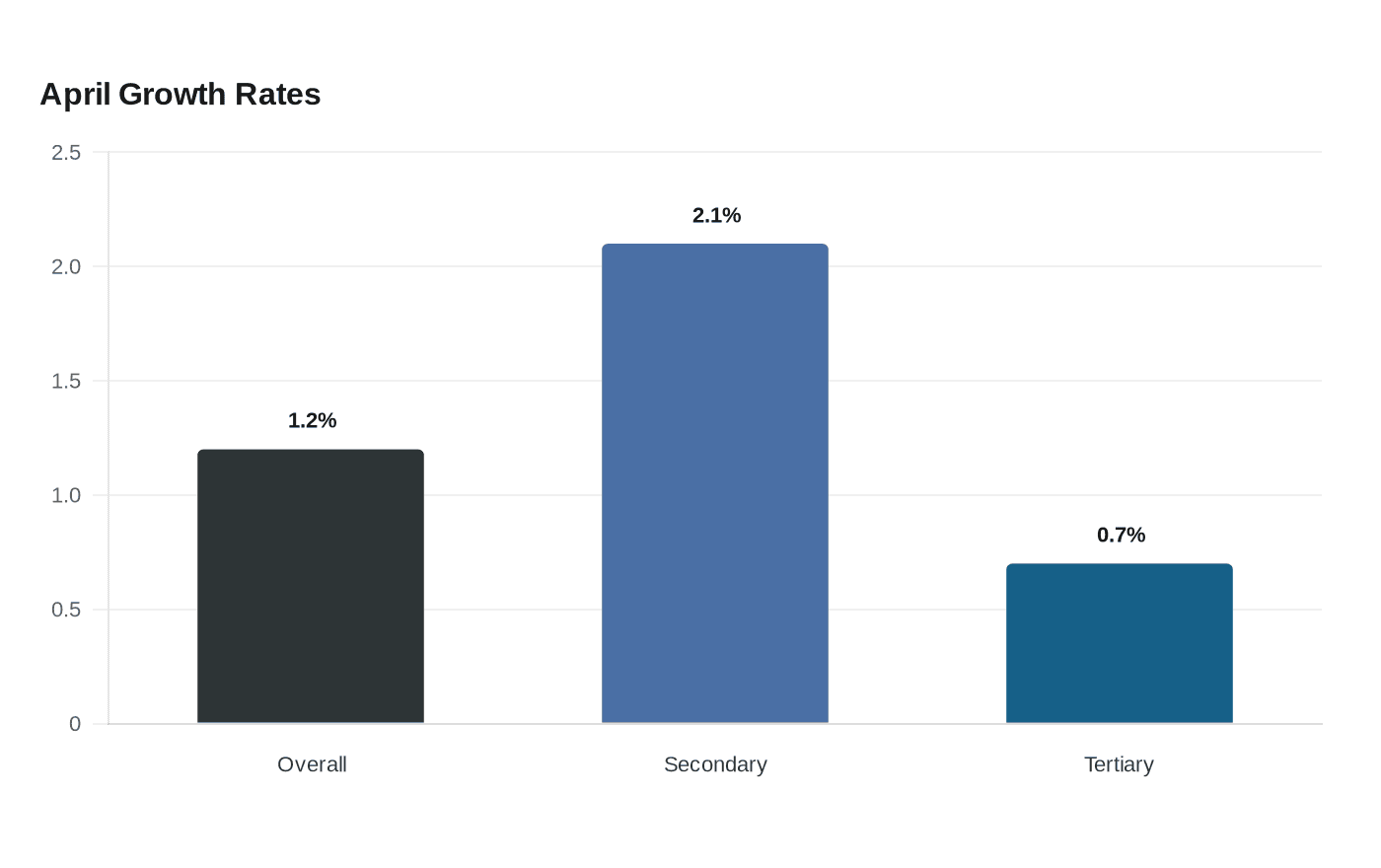
Mexico’s economy jumped 1.2% in April from March, its strongest monthly expansion in more than five years and a sharp test of whether the recovery has real staying power. The reading beat expectations for a 0.9% rise and followed a revised 0.6% increase in March, suggesting the spring opened with more momentum than economists had penciled in.
The April gain was broad enough to look more durable than a one-sector rebound. The secondary sector, which includes manufacturing and construction, rose 2.1%, while the tertiary sector, which covers services and other labor-intensive activity, increased 0.7%. On an annual basis, economic activity was up 2.3%, also ahead of the 1.8% increase that analysts had expected.
That strength matters because it came after a weak first quarter, when Mexico’s economy contracted 0.8% from the previous quarter. April’s numbers therefore read less like a victory lap than a durability test: after a soft start to 2026, the question is whether domestic demand, industrial activity and export-linked production can keep carrying growth, or whether the rebound will fade once short-term momentum passes.
The macro backdrop is mixed. Banco de México cut its benchmark rate by 25 basis points to 6.50% on May 7, a move that reflected concern about slower growth even as inflation stayed above target. INEGI reported inflation at 3.94% in May and unemployment at 2.6% in April, levels that point to a labor market that remains relatively tight even as output improves. That combination gives policymakers some room to support activity, but not much comfort that the slowdown has been fully reversed.
The latest data also lands in the middle of a broader debate over Mexico’s trajectory. BBVA Research recently trimmed its 2026 growth forecast to 1.2% from 1.8%, citing weak domestic demand and a prolonged climate of uncertainty. The OECD has also warned that Mexico remains exposed to global volatility and changes in U.S. trade policy, while structural problems such as informality and weak digital adoption continue to weigh on longer-term performance.
April’s surge may ease some immediate fears of stagnation, but it does not settle the bigger question. For Mexico, the real test is whether the second quarter extends this broad-based improvement or whether April stands out as a brief spike inside an otherwise fragile year.
This article was produced by Prism’s automated news system from verified source data, official records, and press releases, then run through automated quality and moderation checks before publishing. The system is built and supervised by the people who set the standards it runs under. Read our full AI policy.
Know something we missed? Have a correction or additional information?
Submit a Tip