Mexico, U.S. open sterile fly plant to fight screwworm outbreak
Mexico and the U.S. opened a Chiapas fly plant aimed at flooding the region with 100 million sterile insects a week as screwworm pushed into Texas.
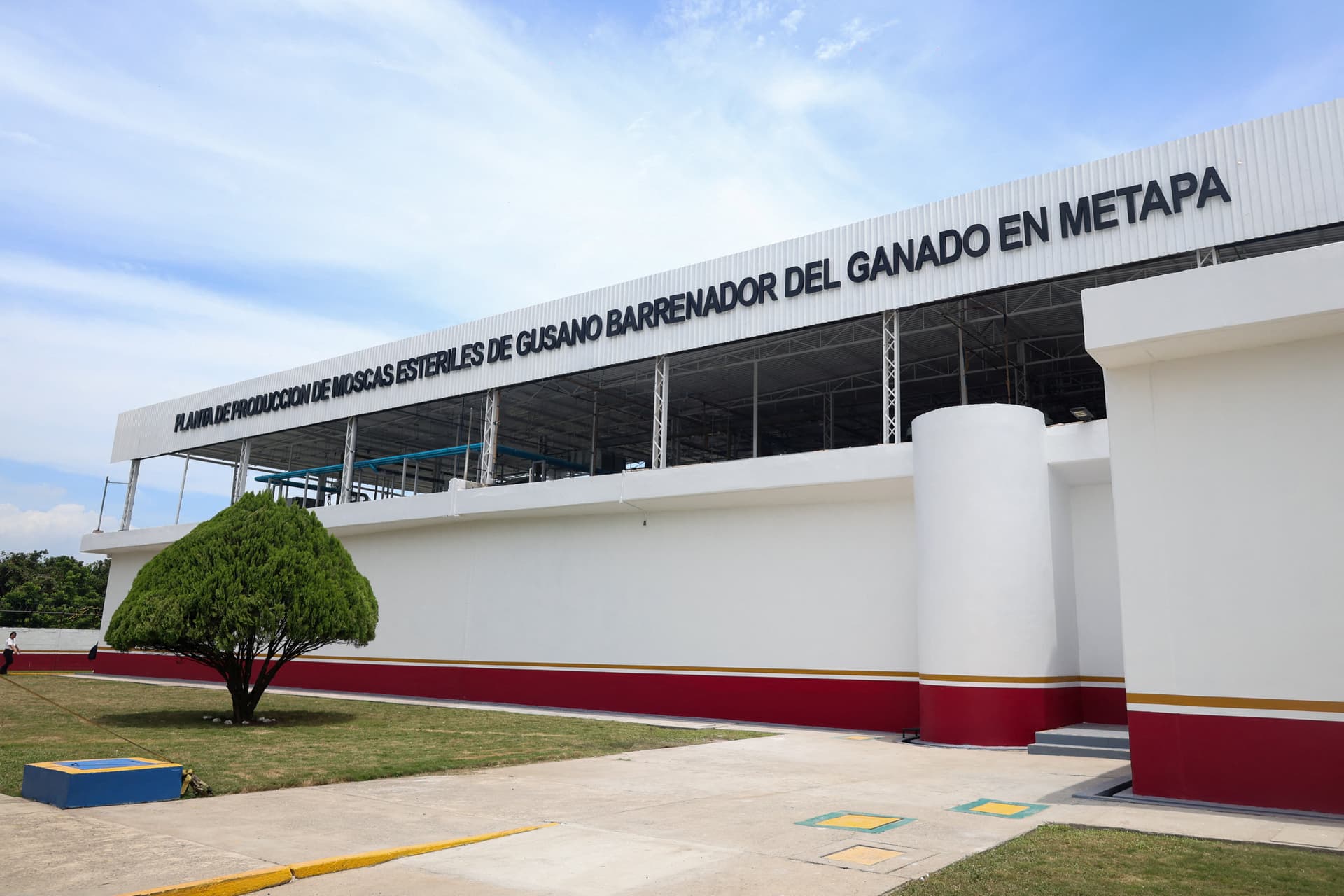
Senior Mexican and U.S. officials opened a new sterile fly production plant in Metapa de Dominguez, Chiapas, as both governments raced to slow a New World screwworm outbreak that has threatened cattle movement, border trade and animal health across the U.S.-Mexico corridor. Mexican President Claudia Sheinbaum and U.S. Agriculture Secretary Brooke Rollins attended the June 27 opening of the facility, a bilateral project that cost more than $50 million.
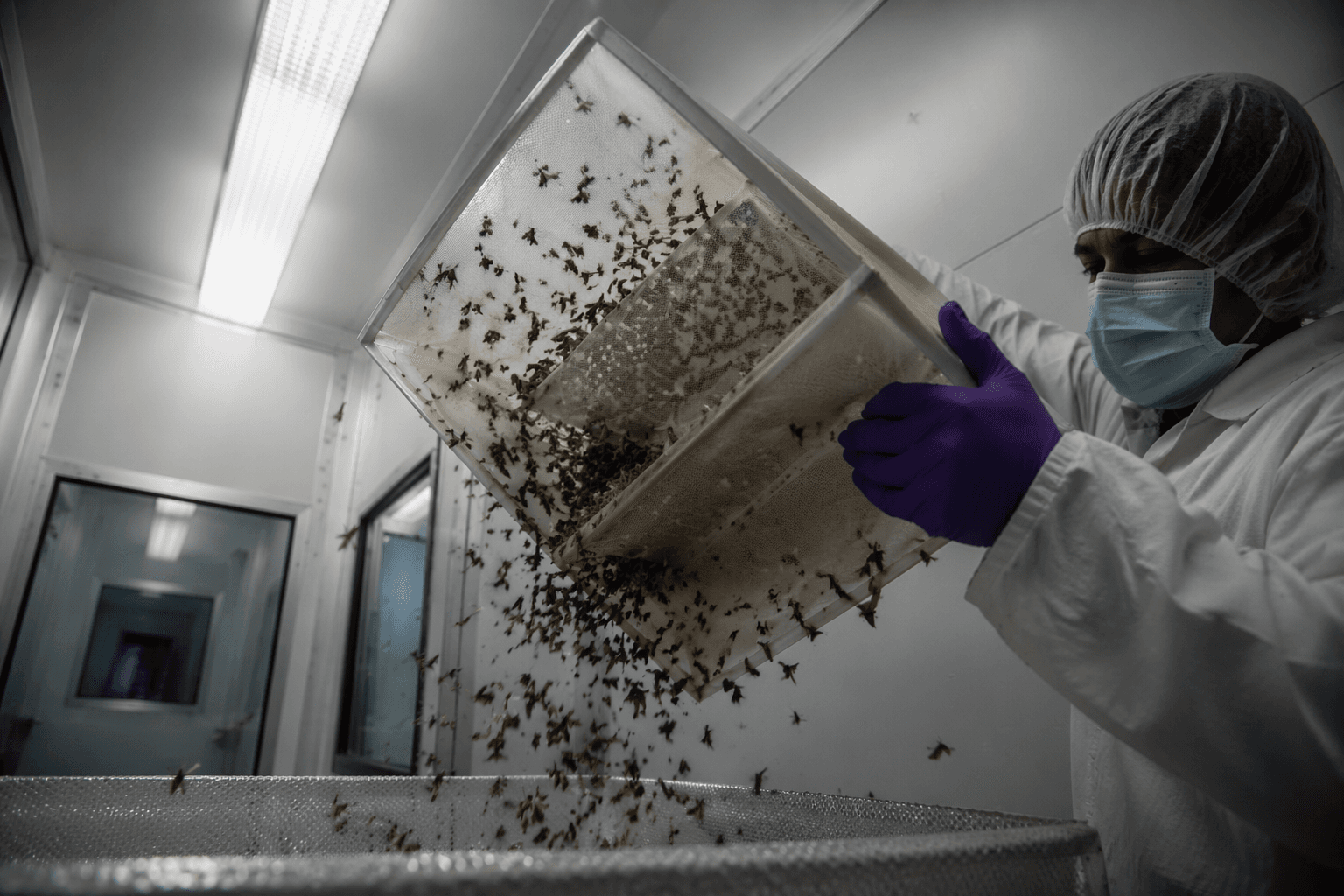
The plant is designed to eventually produce as many as 100 million sterile flies each week. Those insects are released to mate with wild screwworm flies and break the breeding cycle, a tactic that helped drive the parasite out of the United States, Mexico and Central America more than 30 years ago at an approximate cost of $800 million. The supply of sterile flies still falls short of the level needed to eradicate the pest completely.
The outbreak has already crossed the border. USDA confirmed the first U.S. case in a bovine in Zavala County, Texas, on June 3, 2026, and by June 9 the total U.S. case count had risen to six. The Texas detection involved a young calf about 50 miles east of Mexico. USDA’s current status page, updated June 24, showed all southern U.S. ports of entry were closed to livestock trade because of the outbreak.
Mexico confirmed its first case in the current outbreak on November 23, 2024, and authorities have since confirmed more than 30,000 infected animals. The parasite burrows into the flesh of warm-blooded animals and can be fatal if untreated, making cattle, feedlots and the broader food chain especially vulnerable. The U.S. border restrictions have squeezed ranchers and traders who rely on steady movement of live cattle from Mexico into the United States, where supply disruptions can ripple through auctions, feedlots and beef prices.
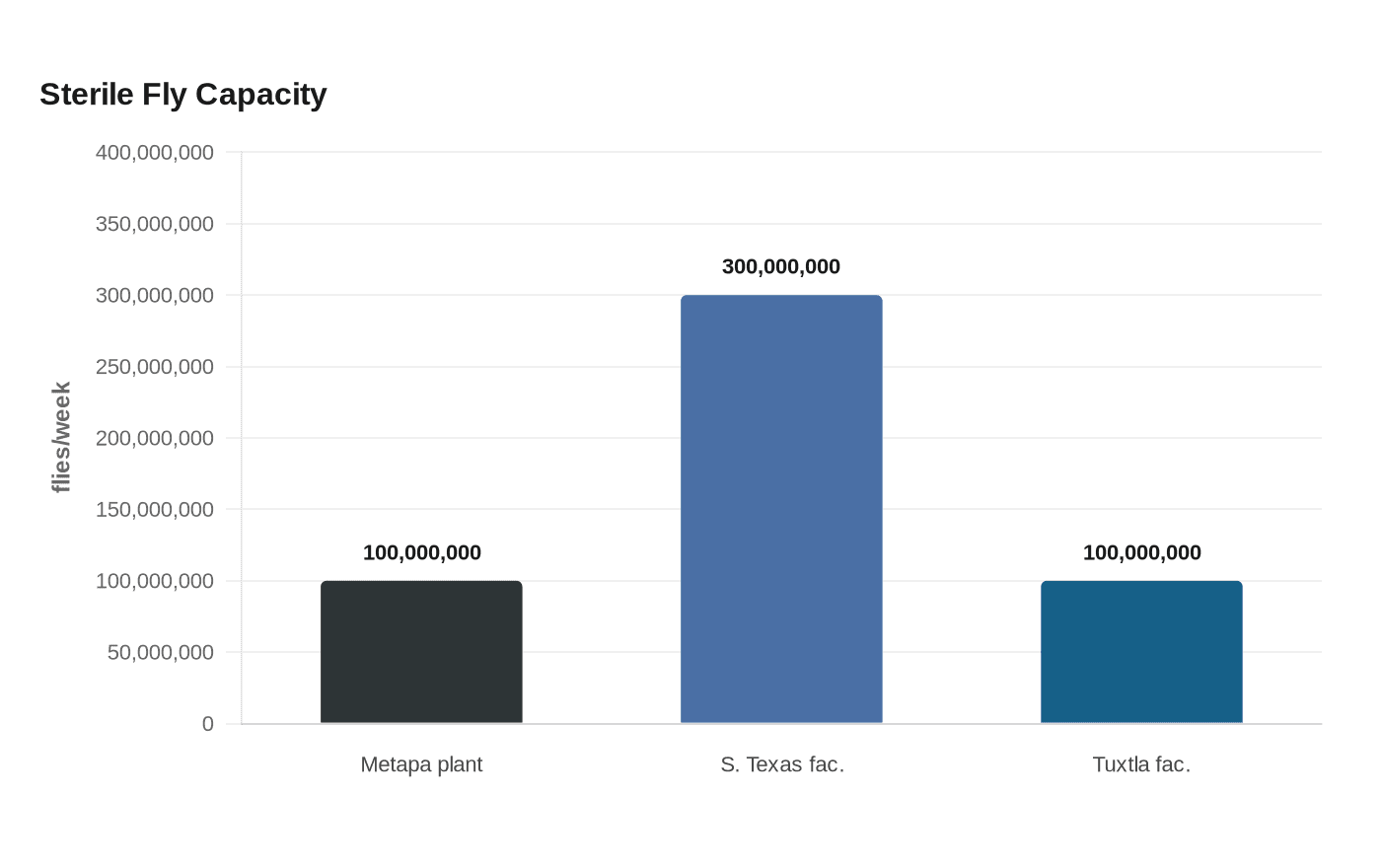
USDA created a dedicated New World Screwworm directorate within APHIS and launched a Grand Challenge offering up to $100 million for innovative control projects. The agency’s planned southern Texas sterile-fly facility would have a projected capacity of 300 million flies a week, while a permanent dispersal facility in Tuxtla Gutiérrez, Chiapas, can release up to 100 million weekly.
This article was produced by Prism’s automated news system from verified source data, official records, and press releases, then run through automated quality and moderation checks before publishing. The system is built and supervised by the people who set the standards it runs under. Read our full AI policy.
Know something we missed? Have a correction or additional information?
Submit a Tip