Michigan’s vaccine exemption rule curbed waivers, then rates surged again
Michigan once cut vaccine waivers with mandatory education. Now rates have climbed to 6.2%, and measles has returned as the state loosens the rule.
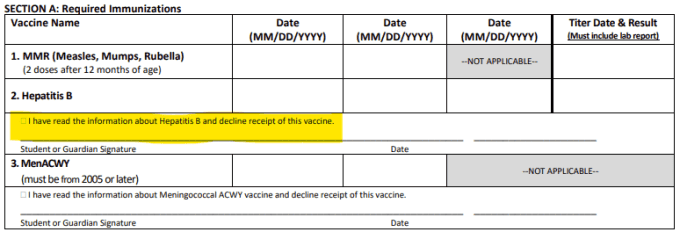
Michigan tried to solve a stubborn public-health problem with a simple demand: before parents could claim a nonmedical vaccine exemption, they had to sit through an in-person education session at their local health department. The rule took effect January 1, 2015, after the state had posted the fourth-highest vaccine exemption rate in the country in 2014, and it was meant to slow waivers while protecting herd immunity from measles, chickenpox and pertussis.
For years, the approach worked. It applied to licensed child care, preschool and Head Start programs, kindergarten, seventh grade and newly enrolled students in a school district. But by the 2024-2025 school year, Michigan’s school vaccine waiver rate had climbed back to 6.2%, the highest since 2013. Nearly 97% of those waivers were granted for philosophical or religious reasons rather than medical exemptions, a sign that the old system had not eliminated resistance so much as contained it.
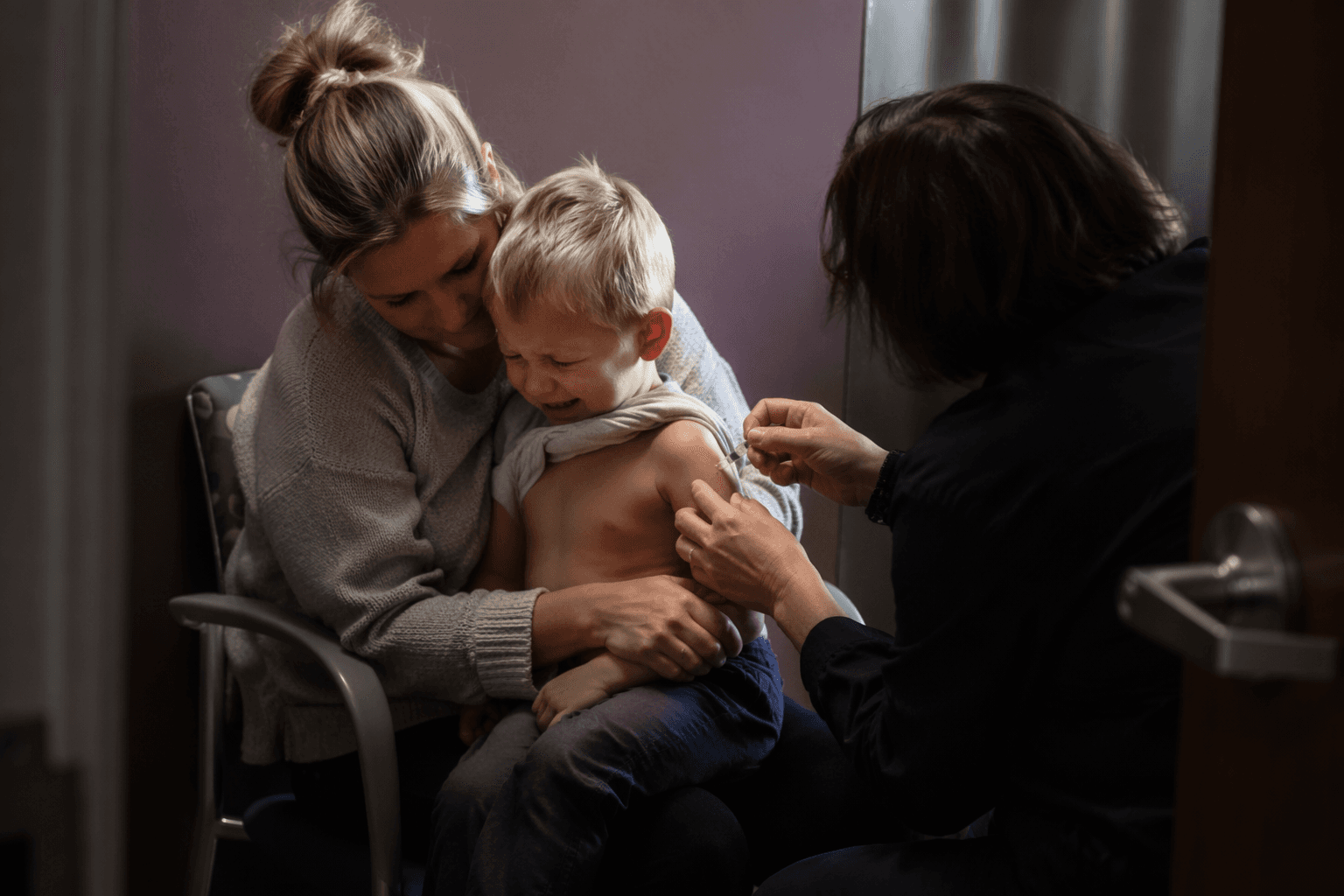
The loosening is now moving faster than the formal rulebook. State health officials have helped more than 30 counties shift away from the old in-person process, even though Michigan’s own public-health materials still say parents and guardians seeking a nonmedical waiver need education from a county health department before they receive the certified form. In St. Clair County, officials went furthest, becoming the first in Michigan to offer a fully online waiver process. Dr. Remington Nevin, the county’s medical director, described the change as “a new era of vaccine choice” for parents who felt pressured into vaccinating.
Local officials say the original model became harder to defend after COVID-19. In-person waiver sessions, once designed as a final checkpoint against avoidable exemptions, grew hostile, ineffective and at times unsafe for staff. One report described a high school calling police after a dispute escalated over a state-recognized waiver, with a sheriff’s deputy warning parents they could face criminal charges. What began as an effort to slow exemptions now sits at the center of a broader argument about whether the state is making vaccination easier to refuse, or simply easier to administer.
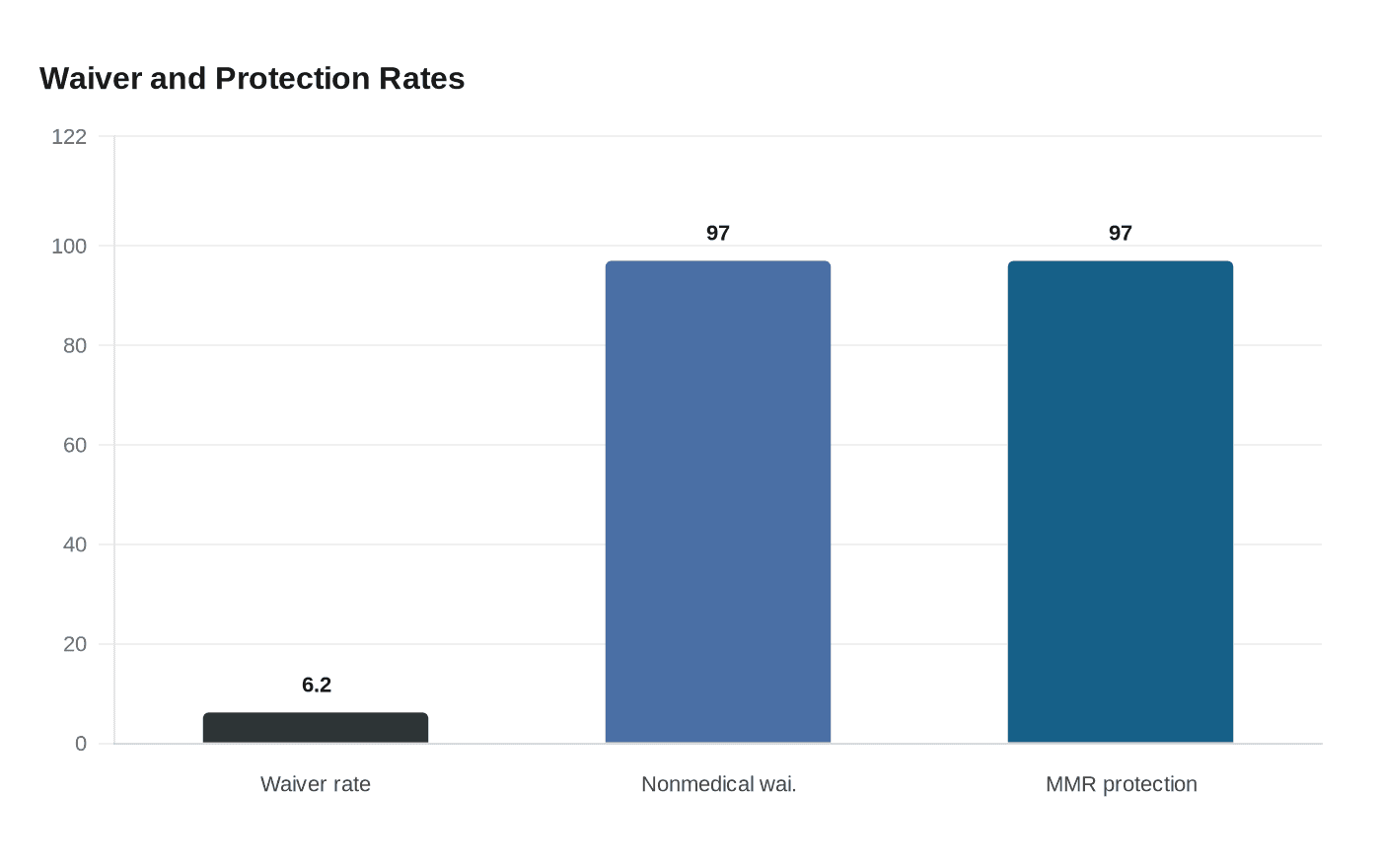
The public-health stakes are no longer theoretical. On March 19, 2026, the Michigan Department of Health and Human Services and the Washtenaw County Health Department confirmed three linked measles cases in Washtenaw County. State officials said more than 1,350 measles cases had been recorded across 31 states in the first three months of 2026, and they warned that two doses of MMR provide 97% protection. Michigan health officials also said vaccine uptake had continued to fall over the previous year, leaving more children and young adults vulnerable. The state is now balancing administrative convenience against the evidence that the harder rule once kept waivers down, and that easing it comes with a measurable public-health cost.
This article was produced by Prism’s automated news system from verified source data, official records, and press releases, then run through automated quality and moderation checks before publishing. The system is built and supervised by the people who set the standards it runs under. Read our full AI policy.
Did this article answer your question?