Micromobility injury claims top £110m as motorists face higher premiums
Micromobility injury payouts have topped £110m, and the MIB says ordinary motorists are paying the bill through higher premiums.
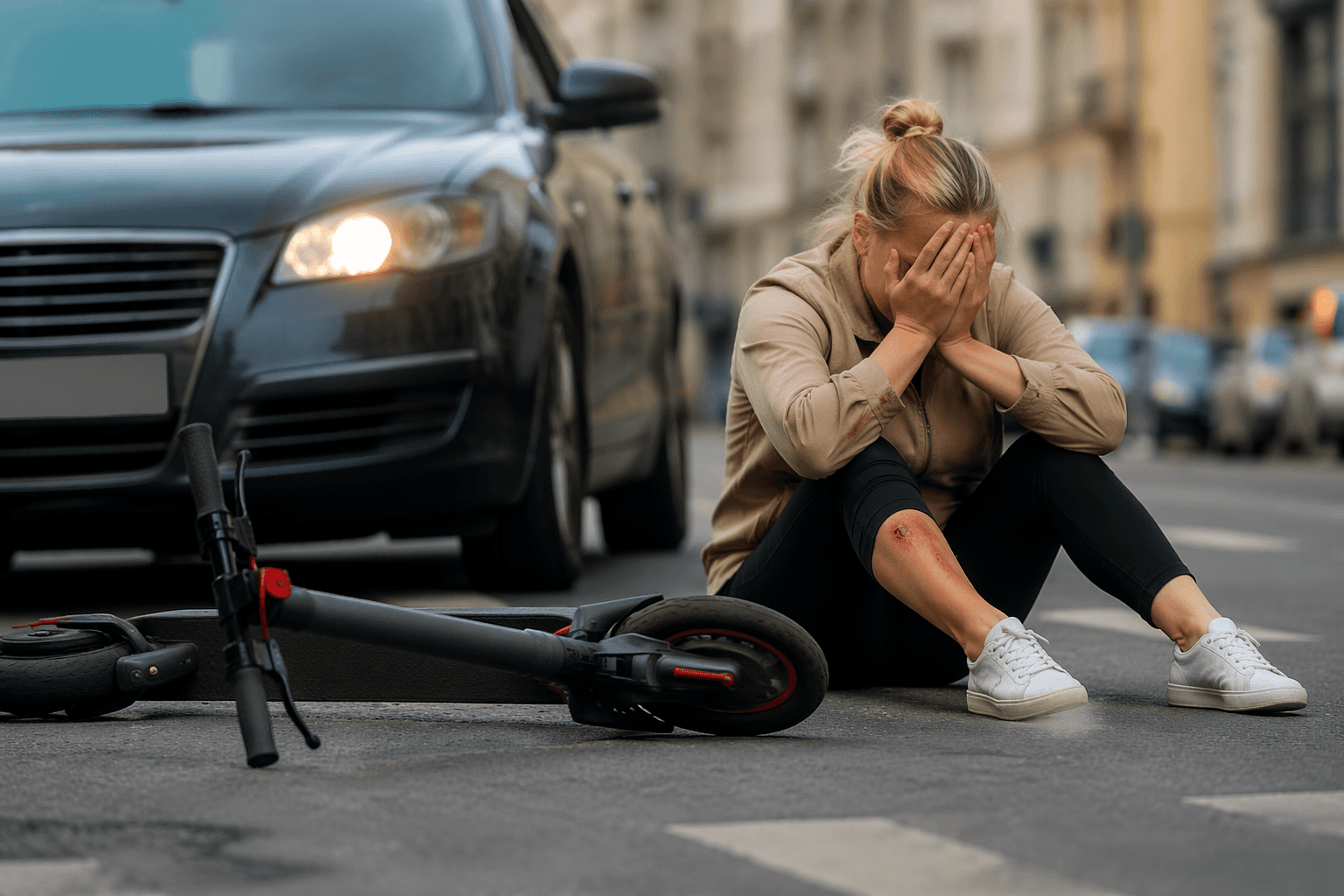
Damages paid out to people injured in the UK by e-scooters and e-bikes have topped £110m, with the largest single payout reaching £20m. The Motor Insurers’ Bureau says those costs do not stop with the injured rider or the insurer, but are ultimately passed on to ordinary motorists through higher motor premiums.
The scale of the problem has grown quickly. The first claim paid by the MIB for an e-scooter injury was in 2019, and the first for an e-bike injury followed in 2020. Since then, claims involving illegal or uninsured micromobility vehicles have mounted into nine figures, putting pressure on a motor insurance market already dealing with rising repair and injury costs.
The MIB has argued that private e-scooters should be treated as motor vehicles in public places, meaning riders would need both a licence and insurance. It has also said it stands with 80% of the British public in calling for compulsory insurance for these motorised vehicles, a position it has linked to the rapid rise in claims and the burden that falls on law-abiding drivers.
That debate has become sharper as police continue to seize and destroy hundreds of illegal e-bikes and e-scooters each year. In the UK, e-bikes that have been modified to travel faster than 15.5mph are illegal for road use, yet enforcement operations still turn up machines that have been altered to exceed the legal limit.
The Financial Conduct Authority has separately said that higher motor insurance premiums have largely been driven by rising claims costs. Its latest motor claims analysis says claims costs increased by more than 40% between 2019 and 2023, with increased use of micromobility among the pressures feeding higher bodily injury costs. The FCA also said motorists have been paying more because of external cost pressures and claims handling issues.
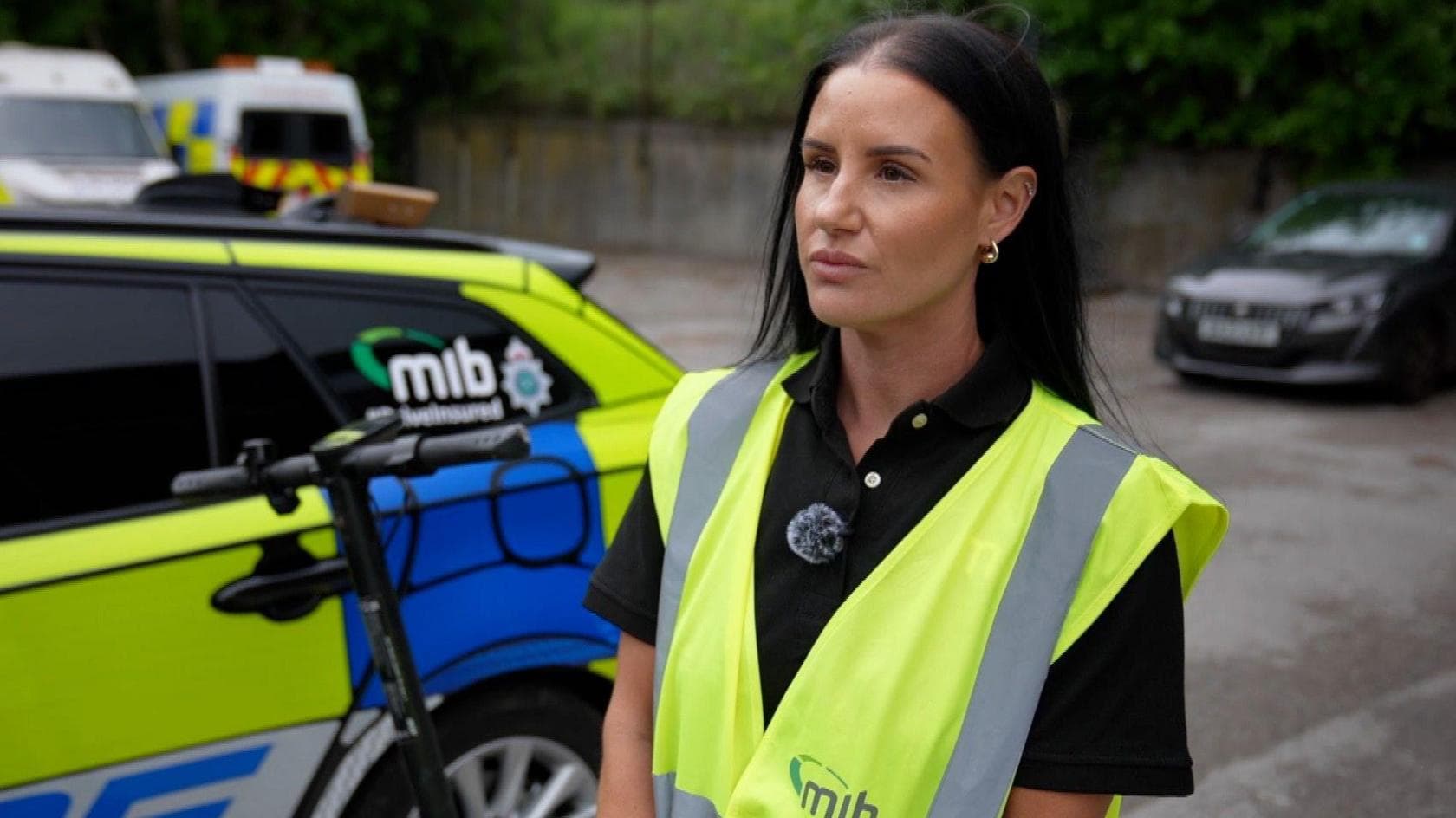
Together, the figures point to a growing policy gap. Micromobility has expanded faster than the insurance rules built around it, leaving a market where injury payouts are rising, illegal vehicles are still on the roads, and the cost of gap-filling is being spread across millions of drivers.
This article was produced by Prism’s automated news system from verified source data, official records, and press releases, then run through automated quality and moderation checks before publishing. The system is built and supervised by the people who set the standards it runs under. Read our full AI policy.
Did this article answer your question?