Microsoft adds cloud-initiated driver rollback to Windows Update
Microsoft is moving driver rollback into the cloud, aiming to pull bad updates off affected PCs before workers and IT teams are stuck cleaning up the mess.
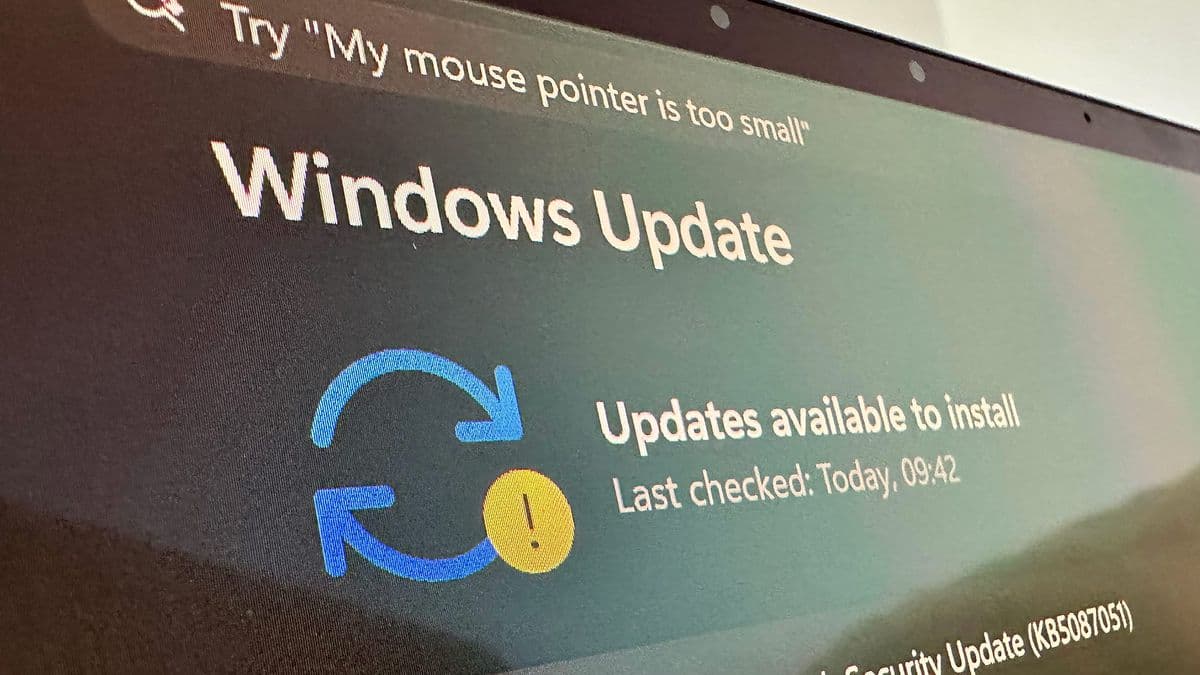
Microsoft on May 12, 2026, added a cloud-initiated driver recovery feature to Windows Update that is designed to roll back problematic drivers after they are flagged for quality issues during shiproom evaluation. Instead of waiting for an affected user to untangle a broken machine, Microsoft said it can now trigger a recovery action from the cloud and replace the bad driver on devices that received it through Windows Update.
That shift matters because the old path was slower and more manual. If a driver published through Windows Update later proved faulty, the usual fix depended on the hardware partner submitting a replacement driver or on end users uninstalling the bad driver themselves. Microsoft said that could leave devices stuck on a low-quality driver for an extended period, a delay that can stall a worker’s laptop, interrupt a student’s machine, or keep an IT department focused on hands-on remediation instead of normal support.

Cloud-Initiated Driver Recovery uses the existing Windows Update infrastructure and does not require a new client agent or partner tooling. Microsoft said the rollback is handled end to end through coordinated updates to the PnP driver stack, driver flighting, and publishing services, with the Hardware Dev Center Driver Shiproom acting as the control point for identifying drivers with quality problems. When the feature runs, it replaces the problematic driver with the previously installed version or the next best version available on Windows Update. If no approved driver can be found, Microsoft said the rollback will not run. Partners are notified through existing shiproom communication channels, but they do not have to take any action before Microsoft rolls the driver back.
The new automation sits above recovery options Microsoft already offers for Windows problems. Microsoft support documentation says Windows provides recovery tools for startup failures, update problems, and malware infections, and one option for a failed update is reinstalling Windows using Windows Update. Microsoft also advises users to back up important files before starting recovery, because some methods can cause data loss. Cloud-Initiated Driver Recovery is meant to stop bad drivers earlier in the chain, before support teams have to fall back on those manual steps.
For Microsoft, the feature is another attempt to reduce the damage caused by buggy drivers that can leave PCs unstable, unusable, or waiting on a partner fix. For users and administrators, the practical effect is narrower but concrete: fewer machines left behind by one bad driver, and fewer hours spent recovering devices that should have stayed healthy in the first place.
This article was produced by Prism’s automated news system from verified source data, official records, and press releases, then run through automated quality and moderation checks before publishing. The system is built and supervised by the people who set the standards it runs under. Read our full AI policy.
Did this article answer your question?