Microsoft seeks distance as Musk alleges OpenAI betrayed its mission
Microsoft tried to recast itself as a commercial partner, not a co-conspirator, as Musk put OpenAI's $13 billion backing and nonprofit roots on trial.
Microsoft spent much of the Oakland trial trying to look like a reluctant power broker, not the villain in Elon Musk’s fight with Sam Altman. In U.S. District Court for the Northern District of California, before Judge Yvonne Gonzalez Rogers, Musk’s 2024 lawsuit accused OpenAI, Altman, Greg Brockman and Microsoft of abandoning the nonprofit mission OpenAI adopted in December 2015, when it was founded to develop AI for the public benefit. Gonzalez Rogers had already fast-tracked the case to a spring 2026 jury trial after denying Musk’s bid to pause OpenAI’s conversion toward a for-profit structure.
Musk sought as much as $134 billion in damages and asked for Altman and Brockman to be removed, with any award directed to OpenAI’s nonprofit rather than to Musk himself. His claim against Microsoft was narrower but still sweeping: he alleged the company aided and abetted a breach of charitable trust by pouring money into OpenAI as the startup moved further from its original mission.
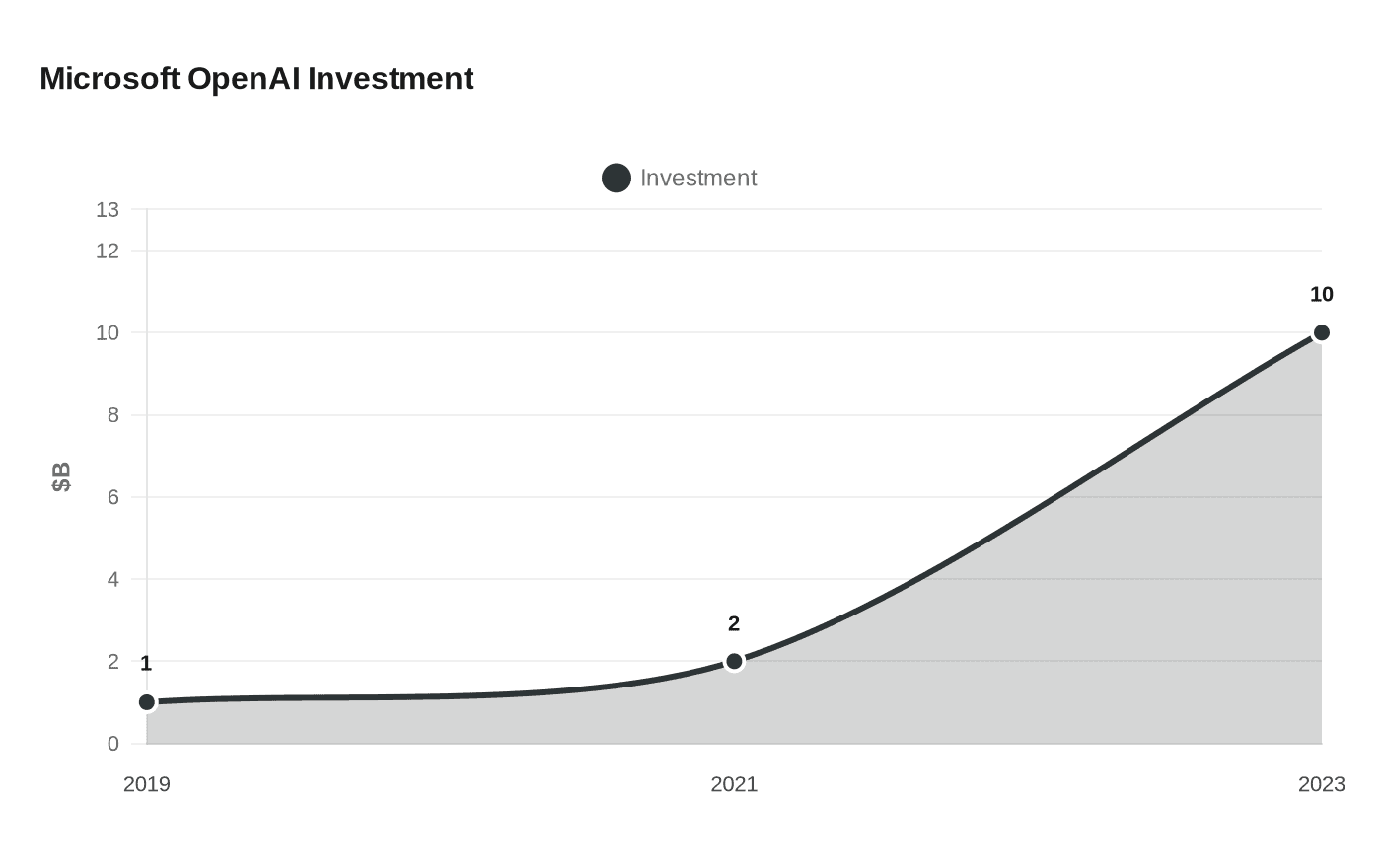
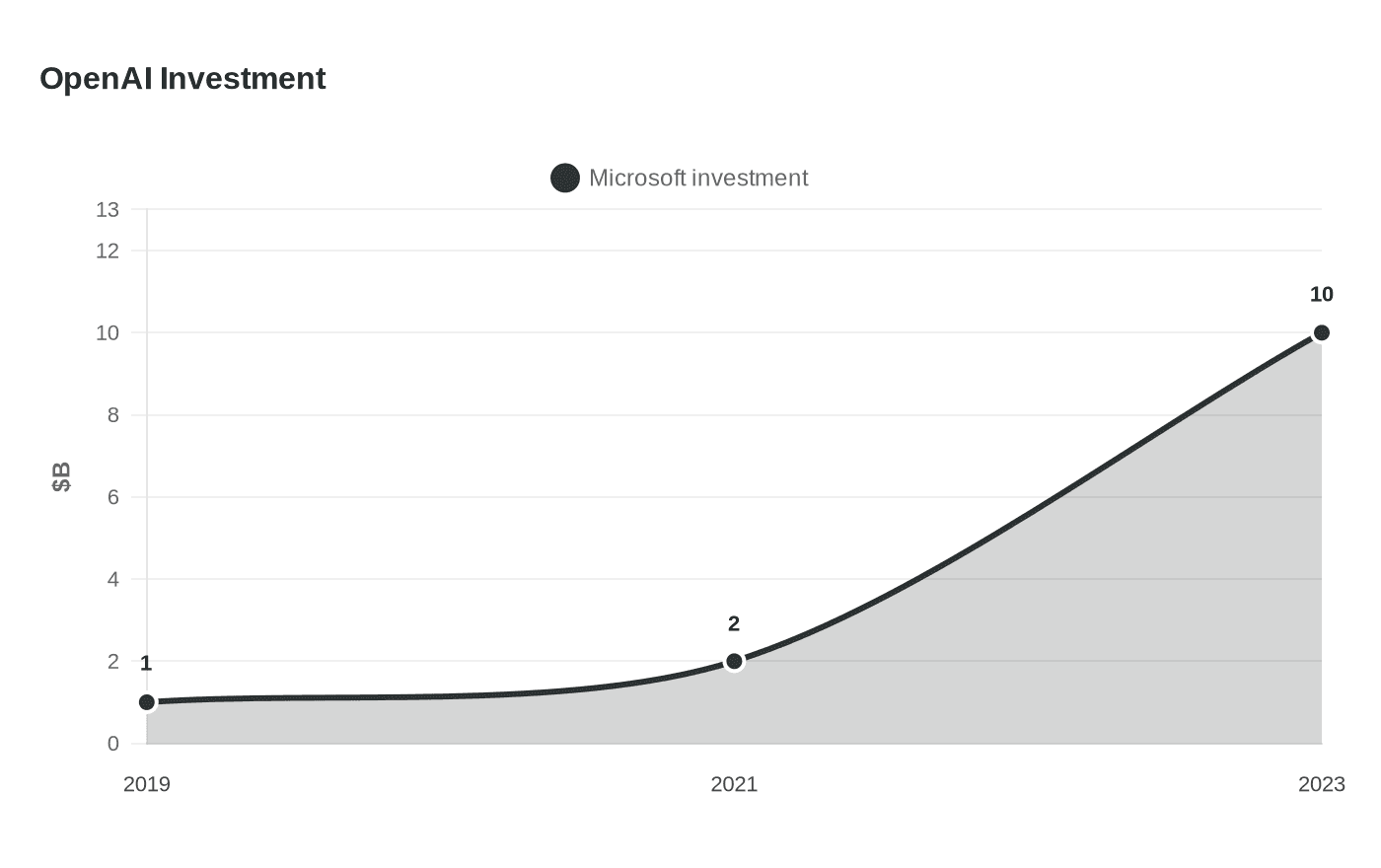
That money was substantial. Microsoft invested more than $13 billion in OpenAI, including $1 billion in 2019, $2 billion in 2021 and $10 billion in 2023. On the stand, Microsoft chief executive Satya Nadella said Musk never raised concerns with him about Microsoft’s OpenAI investments and said Microsoft viewed the relationship as commercial, not charitable. That distinction mattered, because it framed Microsoft less as a steward of OpenAI’s mission than as a backer buying access to one of the most consequential companies in artificial intelligence.
The timing sharpened the stakes. On April 27, 2026, just as jury selection began, Microsoft and OpenAI announced a revamped partnership that made Microsoft’s OpenAI intellectual-property license non-exclusive, extended it through 2032 and allowed OpenAI products to run on any cloud provider. Microsoft’s revenue share from OpenAI ended, while OpenAI’s payments to Microsoft continued through 2030, subject to a cap.
For investors, regulators and corporate customers, the revised deal showed how much leverage Microsoft still had, and how much distance it was trying to create. Microsoft remained deeply tied to OpenAI even as it sought to define that tie as ordinary commerce, not a charitable obligation. The trial has become a rare public test of whether a mission-driven AI lab can morph into a for-profit giant without legal consequences.
This article was produced by Prism’s automated news system from verified source data, official records, and press releases, then run through automated quality and moderation checks before publishing. The system is built and supervised by the people who set the standards it runs under. Read our full AI policy.
Did this article answer your question?