Microsoft offers first-ever voluntary retirement program as it reshapes pay and performance
Microsoft is opening its first voluntary retirement program, targeting senior directors and below as it tightens pay, performance and AI-era costs.
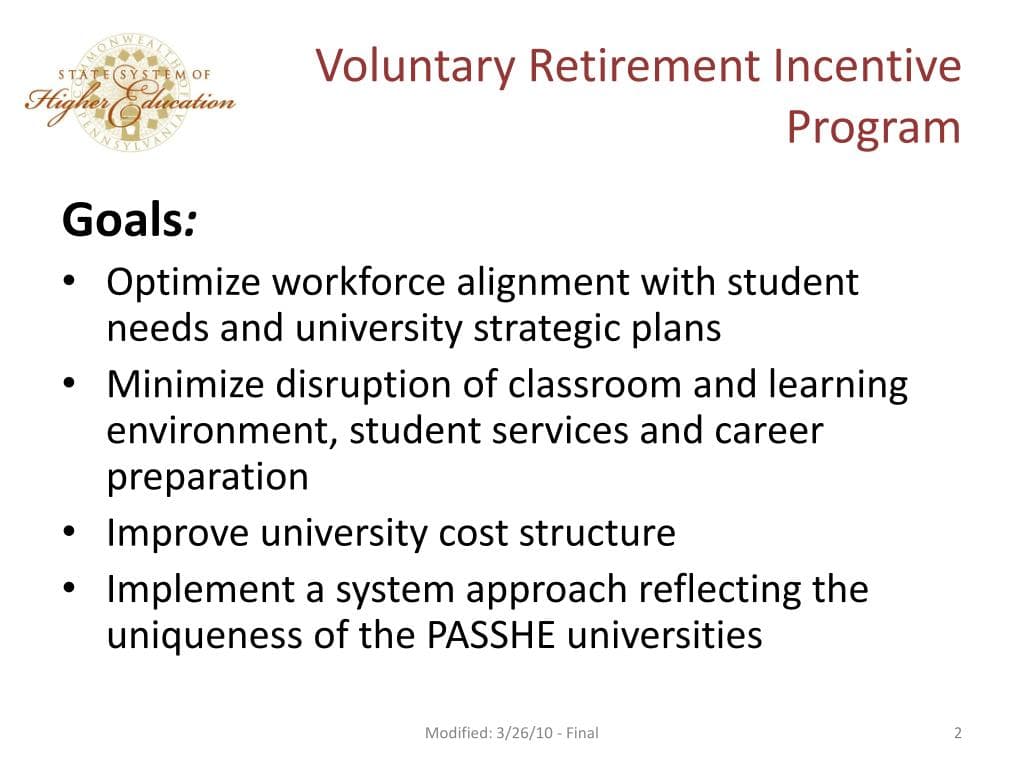
Microsoft is offering long-serving U.S. employees a chance to leave voluntarily for the first time in its 51-year history, a sign that the company is trying to reshape its workforce without relying only on layoffs. The program is limited to workers at the senior director level and below whose age plus years of employment add up to 70 or more, and eligible employees and their managers will receive details on May 7.
The offer lands as Microsoft keeps pouring money into data centers and AI infrastructure while looking for ways to slow the rise in payroll costs. The company employed about 228,000 people as of June 2025, after cutting about 6,000 jobs in May 2025 and another roughly 9,000 in July 2025. That sequence shows how the software giant has moved from expansion to sharper discipline, even as revenue climbed to $281.7 billion in fiscal 2025 and Azure topped $75 billion for the first time.
Microsoft said the retirement program is designed to let eligible employees leave “on their own terms,” with generous support. Employees on sales incentive plans are excluded, narrowing the program to a slice of the company most closely tied to engineering, product, and corporate functions. The design suggests a softer tool than a head-count reduction, but it is still a cost-control measure: older, higher-paid employees can depart with a payout while Microsoft keeps its AI hiring and capital spending intact.
The retirement option is only one part of a broader reset in how Microsoft manages pay and performance. The company is decoupling stock awards from cash bonuses in the annual rewards process, giving managers more flexibility to reward high performers. It is also simplifying the review system, cutting the number of pay choices managers can make from nine to five. That change gives managers a clearer framework while allowing the company to use compensation more aggressively as a performance lever.
Taken together, the moves point to a company trying to manage generational turnover as much as head-count. Microsoft has spent the past year strengthening performance management, including a globally consistent improvement process, a voluntary separation option for underperformers, limits on internal transfers for some low performers, and a two-year rehire block for employees who exit under that process. In Redmond, Washington, the strategy is clear: protect AI investment, tighten discipline, and make the workforce smaller, older or lower-performing employees included, through incentives rather than blunt cuts.
This article was produced by Prism’s automated news system from verified source data, official records, and press releases, then run through automated quality and moderation checks before publishing. The system is built and supervised by the people who set the standards it runs under. Read our full AI policy.
Did this article answer your question?