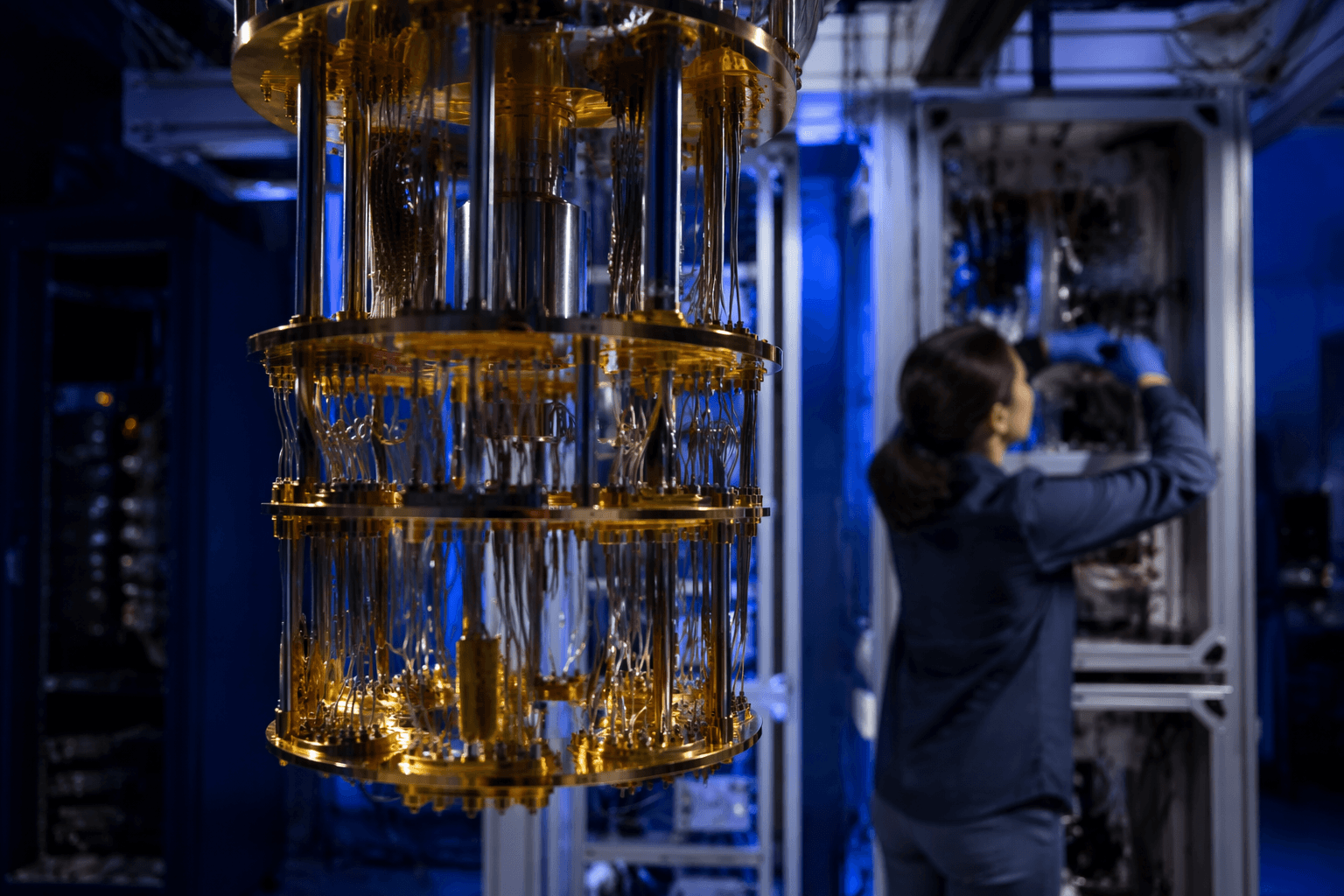
Microsoft unveils Majorana 2 chip, targets useful quantum computing by 2029
Microsoft’s new Majorana 2 chip uses lead and AI-designed materials, with qubit lifetimes up to one minute. The company now says a useful quantum system could arrive by 2029.
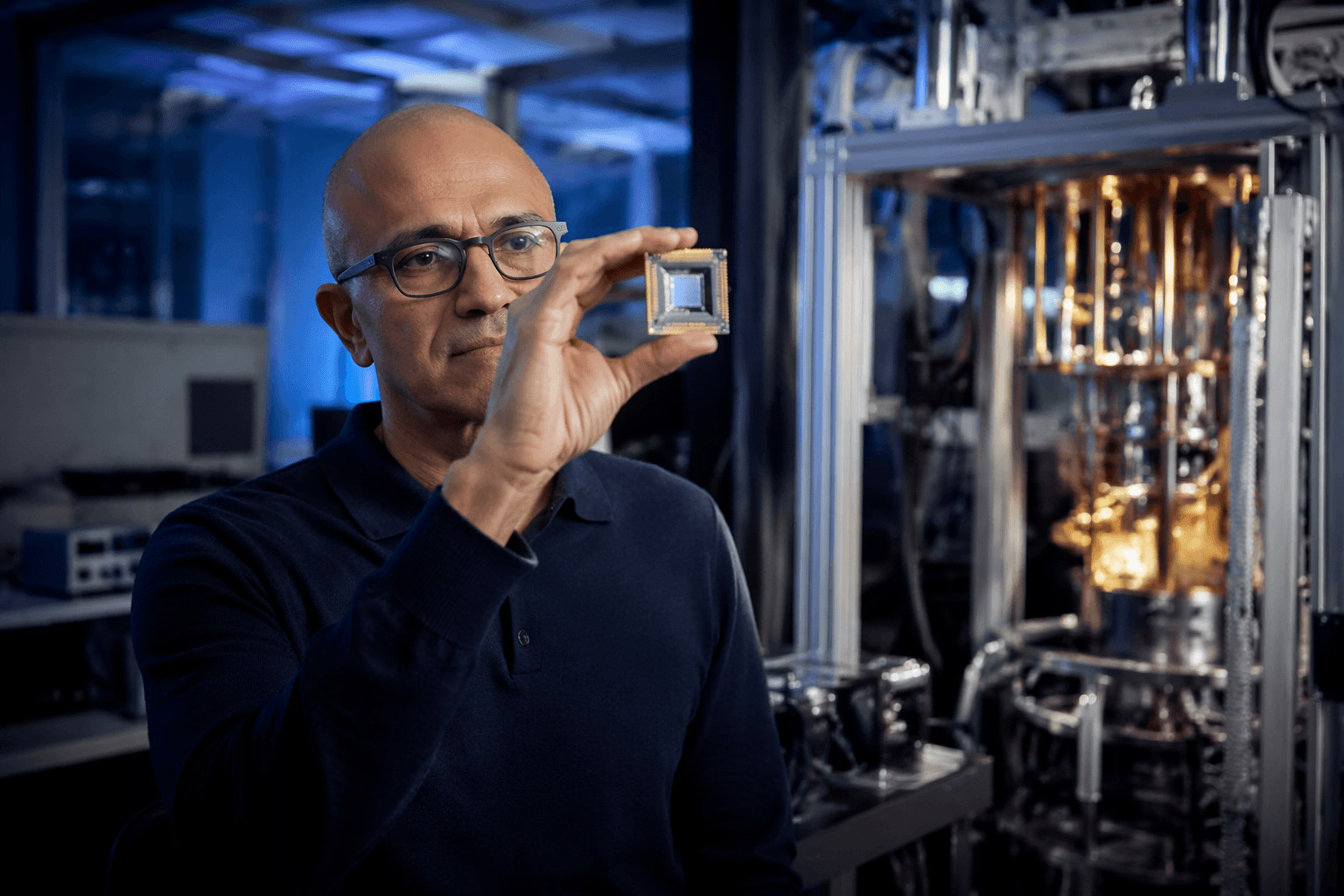
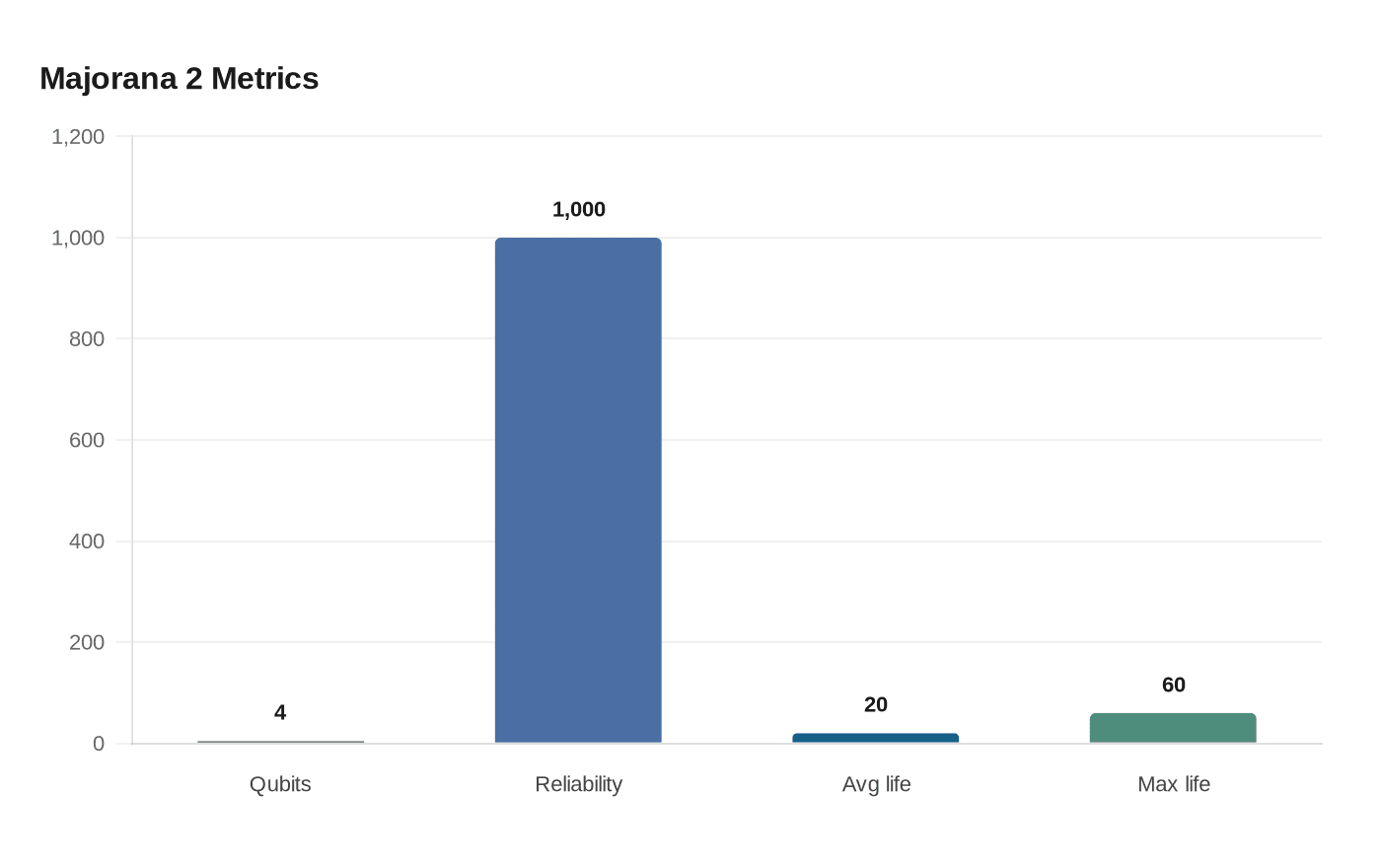
Microsoft used its Build stage in San Francisco to make a sharper claim than most quantum computing announcements manage: it said Majorana 2 is a real step toward hardware that could be commercially useful by 2029. The device is still only a four-qubit array, but Microsoft said the new materials stack makes it 1,000 times more reliable than its previous quantum processing unit, with average qubit lifetimes of 20 seconds and some lasting as long as one minute.
That is a notable engineering result, not a finished computer. In practical terms, “commercially useful” would mean a machine stable enough to run repeatable, error-corrected calculations on problems that matter in medicine, chemistry and cybersecurity, rather than a lab demo that only proves a concept. Microsoft said Majorana 2 is a multi-tetron device built to showcase material improvements, and that the company’s own Discovery platform, using agentic AI, helped speed the materials-science work behind the redesign.
The most consequential change is in the materials itself. Microsoft said it moved away from aluminum-based approaches common in rival superconducting designs and instead used lead, a switch that its researchers said improved performance and helped solve a manufacturing problem in which the metal could wash away during fabrication. Jason Zander said the change produced a 1,000-fold improvement in some aspects of Majorana 2’s performance. Microsoft also said its new roadmap cuts its original timeline in half and now points to a scalable quantum computer by 2029.
The timing matters because the target year is no longer Microsoft’s alone. IBM said the same day that it will invest more than $10 billion in quantum computing over five years and is targeting the world’s first large-scale fault-tolerant quantum computer by 2029. Google Quantum AI says it is pursuing a large-scale, error-corrected system through a staged roadmap, while Amazon has pushed ahead with its Ocelot chip and the Amazon Braket cloud service for access to quantum hardware.
Microsoft’s claim also arrives under the shadow of its own earlier pitch. Its Majorana 1 announcement in February 2025 drew skepticism from physicists who questioned whether the evidence supported the company’s topological-qubit claims. That history makes the new chip more important as a test of engineering progress and less convincing as proof that quantum computing has crossed into the commercial era. For now, Majorana 2 suggests Microsoft has moved the field forward, but not yet out of the long gap between promising physics and usable machines.
This article was produced by Prism’s automated news system from verified source data, official records, and press releases, then run through automated quality and moderation checks before publishing. The system is built and supervised by the people who set the standards it runs under. Read our full AI policy.
Know something we missed? Have a correction or additional information?
Submit a Tip