Quantinuum upsizes U.S. IPO to seek valuation up to $14.3 billion
Quantinuum raised its IPO target to as much as $1.46 billion, testing whether investors will pay up for quantum computing before it has broad commercial use.

Quantinuum lifted the stakes on its U.S. debut, seeking a valuation of as much as $14.3 billion as it widened its offering to 26.5 million shares priced between $53 and $55 apiece. The Broomfield, Colorado, company now aims to raise up to $1.46 billion, up from an earlier plan for as much as $1.05 billion, a clear sign that demand has been strong enough for the company to expand the deal and ask for a richer price.
The upsized offering puts a sharp market test on one of the best-known names in quantum computing, a field attracting capital because of its promise in drug discovery, financial modeling and cryptography. It also exposes how much investors are willing to pay for a technology that still struggles with error rates and other technical barriers that limit practical performance. Quantinuum’s valuation, if achieved, would make the IPO a referendum on whether public markets are ready to bankroll quantum before the technology has a clear mass-market payoff.
The company filed its initial S-1 with the U.S. Securities and Exchange Commission on May 8 and amended it on May 26. In that filing, Quantinuum said it was pursuing a roadmap to the first commercial-scale, fully fault-tolerant quantum computer before the end of this decade, a system it calls Apollo. The filing also lists Quantinuum’s principal business address as 303 S Technology Court in Broomfield, and says the company had already built three successive quantum computing platforms.
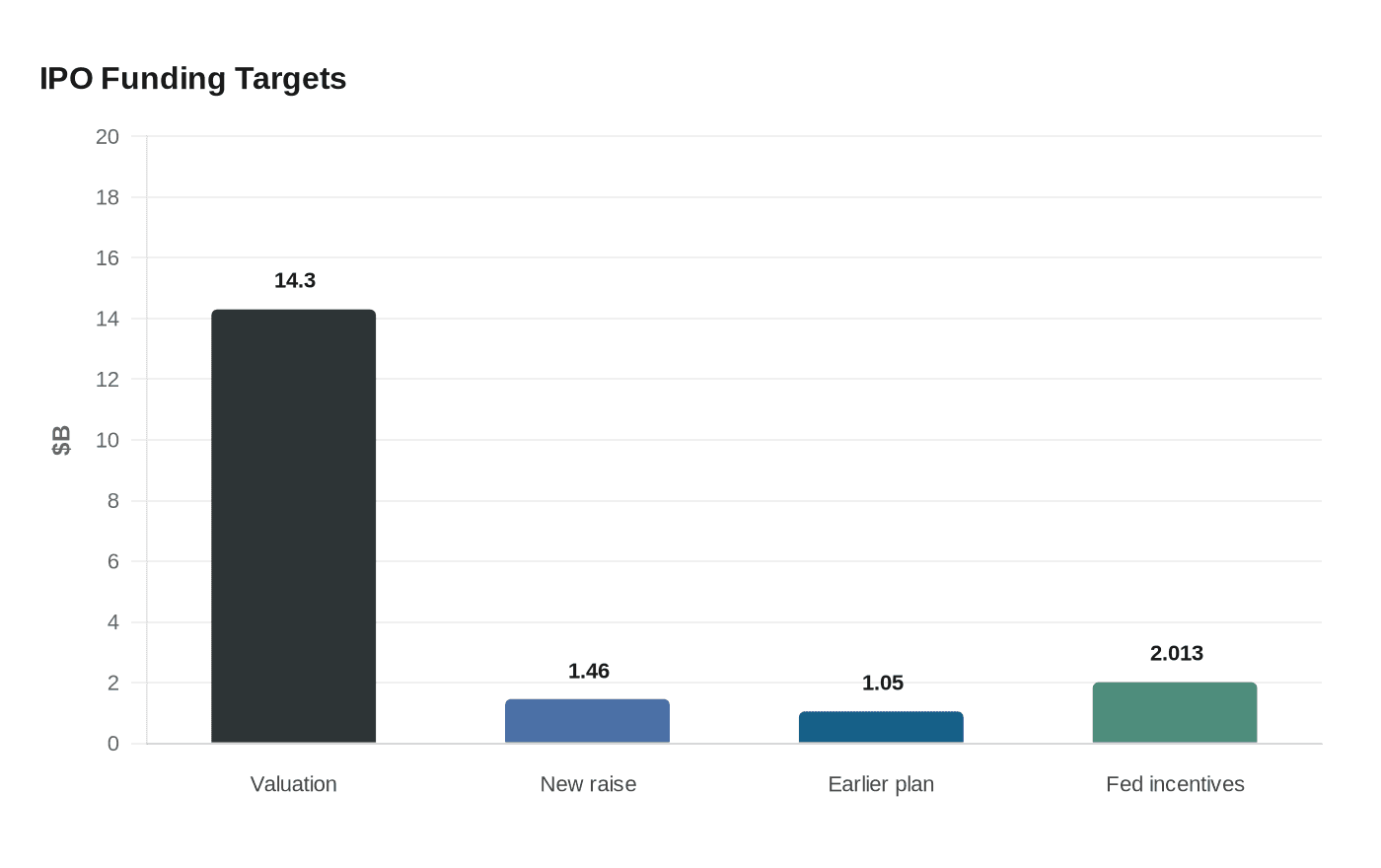
Government backing has added to the momentum around the sector. The U.S. Department of Commerce said on May 21 that it signed nine letters of intent totaling $2.013 billion in federal incentives under the CHIPS and Science Act, covering two domestic quantum foundry companies and seven quantum-computing companies. The department said the money was meant to help accelerate development of utility-scale, fault-tolerant quantum computers and support national security, advanced materials, biopharmaceutical discovery, financial modeling and energy systems.
Quantinuum itself was formed in 2021 from Honeywell’s quantum division and Cambridge Quantum, and Honeywell will keep significant influence after the offering. Under the governance agreement, Honeywell can nominate two directors while it beneficially owns at least 40% of its IPO ownership interest, one director if it owns between 20% and 40%, and none if it falls below 20%. J.P. Morgan and Morgan Stanley are leading the deal, and the company is expected to list on Nasdaq under the symbol QNT on Thursday. For investors, the offering is less a celebration of quantum progress than a direct bet that the field’s technical promise will eventually justify today’s pricing.
This article was produced by Prism’s automated news system from verified source data, official records, and press releases, then run through automated quality and moderation checks before publishing. The system is built and supervised by the people who set the standards it runs under. Read our full AI policy.
Know something we missed? Have a correction or additional information?
Submit a Tip

