Microsoft weighs spinoff or subsidiary reset for Xbox business
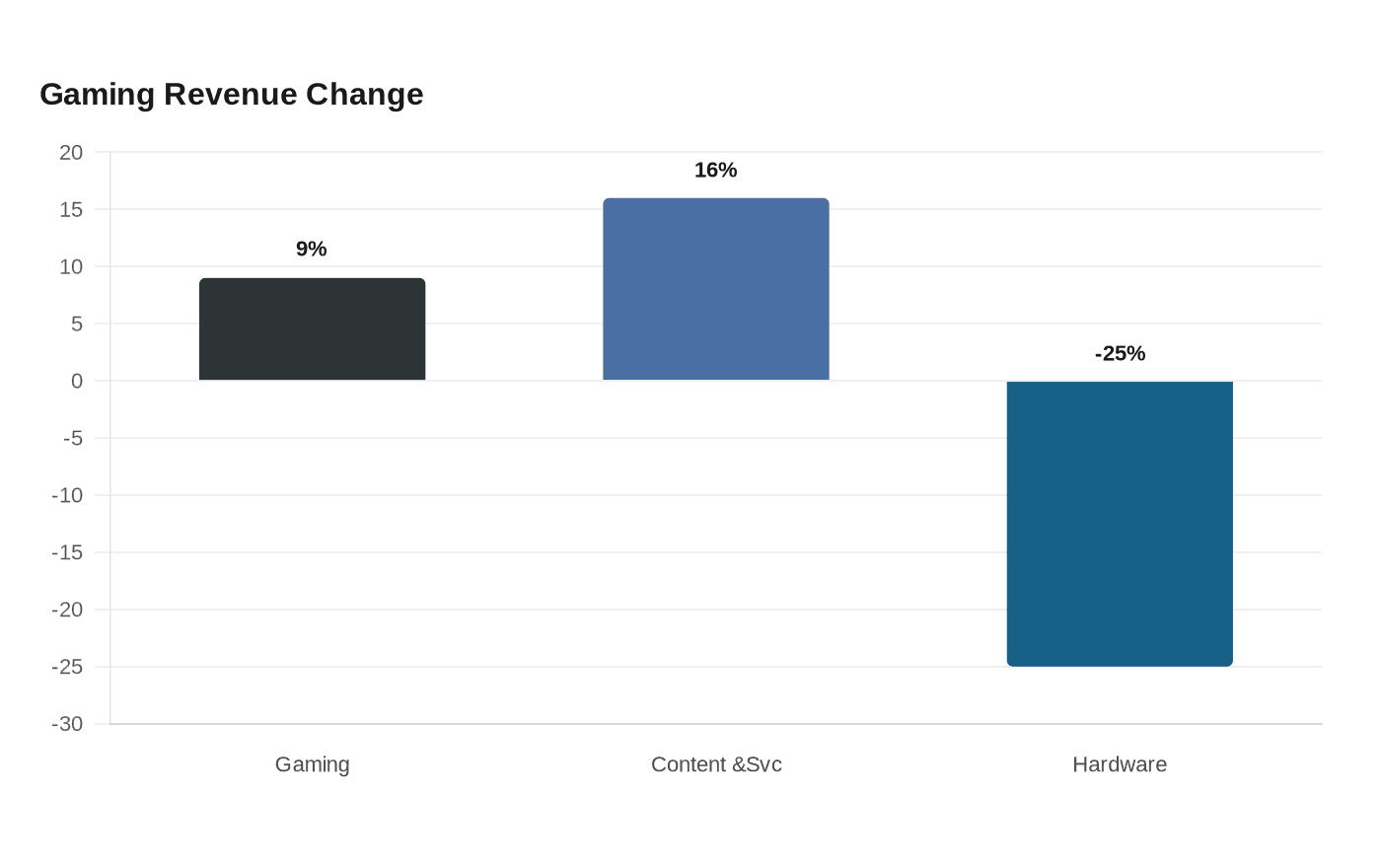
Microsoft is weighing a spinoff or subsidiary reset for Xbox as hardware sales fell 25% and content-and-services revenue rose 16%.
Microsoft is weighing a reset for Xbox that could lift one of its best-known consumer brands out of the company’s current structure and place it into a spinoff, a wholly owned subsidiary or even a joint venture. The options matter because Xbox is under pressure on three fronts at once: declining console sales, a thin pipeline of blockbusters and a cloud and subscription push that has not yet replaced the old hardware model.
The strategic logic is clear. Microsoft already runs LinkedIn and GitHub as wholly owned subsidiaries, which offers a ready-made blueprint if executives want to separate Xbox without giving up control. Such a structure could make the gaming business easier to value, easier to partner with and, if Microsoft ever wanted to go further, easier to sell. It would also force a sharper answer to a bigger question hanging over the division: whether Xbox is still a console business, or whether it is becoming a publishing and services platform that happens to sell hardware.

The numbers explain why the debate is intensifying. Microsoft said gaming revenue rose 9% in fiscal 2025, adding $2.0 billion, helped by growth in Xbox content and services. That segment climbed 16% on the back of the Activision Blizzard acquisition and Xbox Game Pass. But Xbox hardware revenue fell 25% as fewer consoles were sold, underscoring how much the business still depends on a shrinking hardware cycle even as the company leans harder on subscriptions, cloud gaming and third-party content.
The issue is also a test of Microsoft’s broader identity in gaming. Gaming sits inside the company’s More Personal Computing segment alongside Windows, devices and other consumer businesses, which can make Xbox look both strategically important and structurally awkward. A split would signal that Microsoft is no longer content to let gaming be merely one line item inside a larger consumer bundle. It would also raise the stakes for rivals, publishers and platform partners, because a more independent Xbox could behave less like a console maker and more like a separate entertainment company.
Asha Sharma, who took over as Xbox chief in February 2026 after Phil Spencer retired, is pushing for more spending on top-tier franchises including Halo, Fallout and The Elder Scrolls. Satya Nadella and Amy Hood have approved a plan to increase development spending for the fiscal year starting in July, though the budget is still not final. At the same time, Bloomberg has reported that layoffs and budget cuts are being considered after Microsoft’s fiscal year ends on June 30, 2026, with one internal message saying the current spending path “cannot continue.” Taken together, the moves point to a division that is being asked to spend more on hits while proving it can stand on its own economically.
This article was produced by Prism’s automated news system from verified source data, official records, and press releases, then run through automated quality and moderation checks before publishing. The system is built and supervised by the people who set the standards it runs under. Read our full AI policy.
Know something we missed? Have a correction or additional information?
Submit a Tip