Microsoft weighs Xbox layoffs, possible spinoff as console plans wobble
Microsoft is weighing Xbox layoffs and a possible spinoff as console sales slide and services take over. The unit’s margin is about 3%.

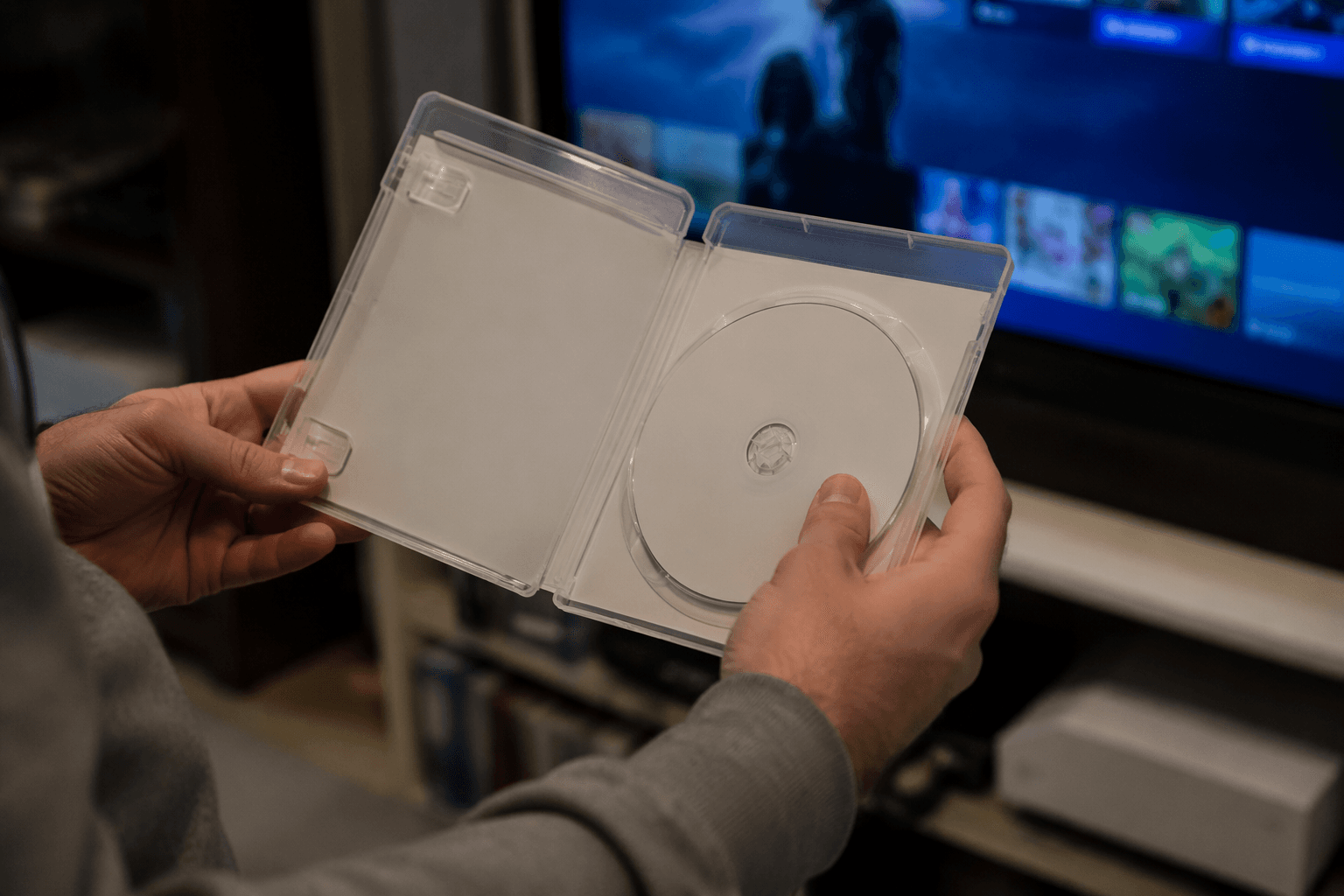
Microsoft is confronting a sharper question inside gaming: whether Xbox still belongs at the center of a console business, or whether it is becoming a content-and-services arm that no longer needs hardware to define it. The answer could reshape what gamers buy, how developers plan exclusives, and how much weight platform competition still carries in a market where recurring subscriptions and digital sales matter more than box sales.
The company is preparing major layoffs across Xbox and is reevaluating next-generation console plans, including Project Helix, as it considers whether to restructure the business in ways that could include a spinoff. People with direct knowledge of the discussions have said Microsoft has also examined turning Xbox into a wholly owned subsidiary or even creating a joint venture, signaling that no final path has been chosen and no immediate restructuring has been set.

The pressure behind those talks is financial. Xbox CEO Asha Sharma told employees the gaming business is running at about a 3% profit margin and that years of heavy spending without revenue growth “cannot continue.” Bloomberg reported that major job cuts are expected in July, after Microsoft’s fiscal year ends on June 30, and that marketing and other budgets are also likely to be reduced.
Microsoft’s own numbers show why the debate has intensified. In fiscal 2025, Xbox content and services revenue rose 16% while Xbox hardware revenue fell 25%. In fiscal 2026’s first quarter, hardware revenue dropped another 29% as console sales weakened, while content and services grew just 1%. That gap has widened the divide between a shrinking hardware base and a business increasingly tied to subscriptions, software and recurring spending.
Asha Sharma was named EVP and CEO of Microsoft Gaming on February 20, 2026, in a move that followed years of expansion across devices and platforms. At the time, Satya Nadella said Microsoft Gaming had more than 500 million monthly active users and remained an expansive opportunity. That scale gives Microsoft flexibility, but it also raises the stakes: if Xbox becomes a standalone entity or a subsidiary, it could follow the model of Microsoft’s other wholly owned units, including LinkedIn and GitHub.
For gamers, the outcome could affect console road maps, the cadence of first-party releases and how Microsoft balances exclusives against broader distribution. For developers, it could change funding priorities and platform strategy. And for Microsoft, it would mark a decisive break from the old assumption that Xbox must always be a console-first business, not a services company with hardware attached.
This article was produced by Prism’s automated news system from verified source data, official records, and press releases, then run through automated quality and moderation checks before publishing. The system is built and supervised by the people who set the standards it runs under. Read our full AI policy.
Did this article answer your question?