Microsoft's "Quality Reset" Promises Taskbar Freedom and Less Copilot Clutter
Windows chief Pavan Davuluri issued a sweeping quality overhaul plan, bringing back taskbar repositioning and reining in Copilot after years of user frustration.

Pavan Davuluri, Microsoft's Windows chief, released a memo on March 20 titled "Quality Reset," publicly acknowledging what millions of users have complained about for years: Windows 11 has a quality problem. Fixes began rolling into Windows Insider builds almost immediately, with the rollout expected to expand through April.
The announcement marks a significant reversal on several fronts. Most visibly, Microsoft will reintroduce the ability to move the taskbar to the top or sides of the screen, a feature that disappeared when Windows 11 launched in 2021. Users will simply right-click the taskbar and select their preferred position. The restoration is notable because Microsoft had previously dismissed taskbar repositioning as unimportant despite persistent and loud feedback from its user base. The company now stands corrected.
Copilot, Microsoft's AI assistant, is also being reined in. The "Quality Reset" memo signals a deliberate pullback from aggressive AI integration across Windows. In a fragment of the memo, Davuluri wrote that Microsoft would "be more intentional about how and where Copilot integrates across Windows, focusing on experiences that are generally useful and well-crafted," adding that the company is "reducing" its footprint, though the specific scope of those reductions was not fully disclosed. The shift represents a meaningful course correction after Copilot's expanding presence in Windows generated widespread user frustration.
File Explorer, the file management tool that Windows users interact with dozens of times a day, is receiving its most substantive performance update in years. Microsoft promised faster launch times, reduced screen flicker, smoother navigation, lower search latency, faster context menus, and more reliable file copying and moving. Neowin, which reported on the memo the same day it was released, described these as "the first set of improvements" for File Explorer and called it "one of the most important bits of Windows 11." Windows Update is also listed among the areas Davuluri committed to address, though detailed technical changes to the update mechanism were not disclosed in the memo excerpts available.
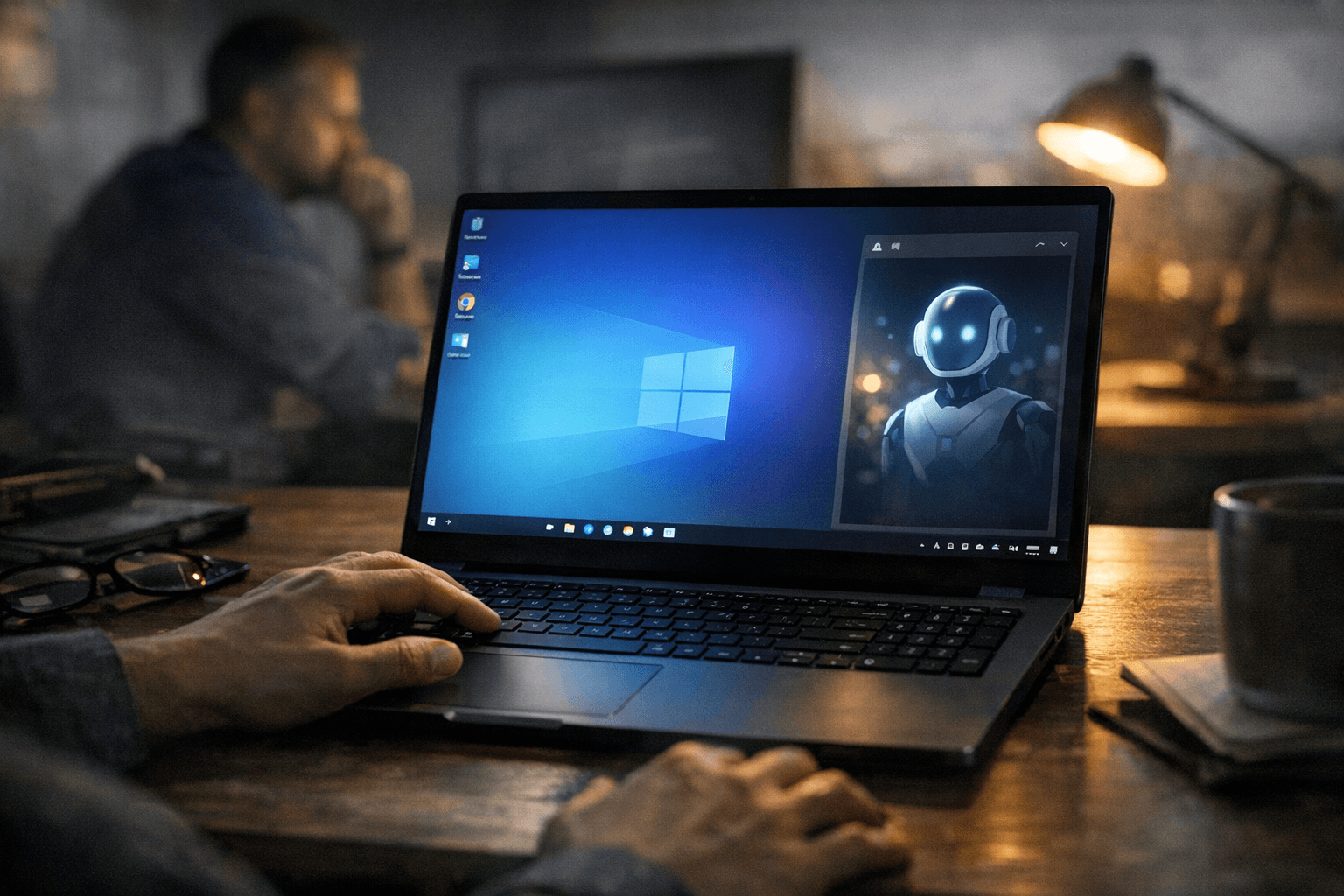
The broader context behind the "Quality Reset" is a company responding to compounding criticism. A string of problematic Windows 11 updates over the past two years damaged trust among both consumers and businesses, forcing IT teams to delay or roll back updates and creating real operational downtime. Microsoft issued no formal apology in the memo, but the acknowledgment itself carries weight given how long the company deflected or minimized complaints.
Microsoft said Windows Insiders will play a larger role in shaping upcoming releases, a signal that the company intends to lean on community feedback more deliberately during development rather than treating it as an afterthought.
The changes arrive at a critical moment for Windows 11. With Windows 10 reaching end of support in October 2025, Microsoft needs users to move to Windows 11, and the platform's reputation for instability and unwanted AI intrusions has complicated that transition. A credible quality reset, if it holds, could accelerate adoption among the holdouts who have refused to upgrade precisely because of the issues Davuluri's memo now promises to fix.
This article was produced by Prism’s automated news system from verified source data, official records, and press releases, then run through automated quality and moderation checks before publishing. The system is built and supervised by the people who set the standards it runs under. Read our full AI policy.
Did this article answer your question?