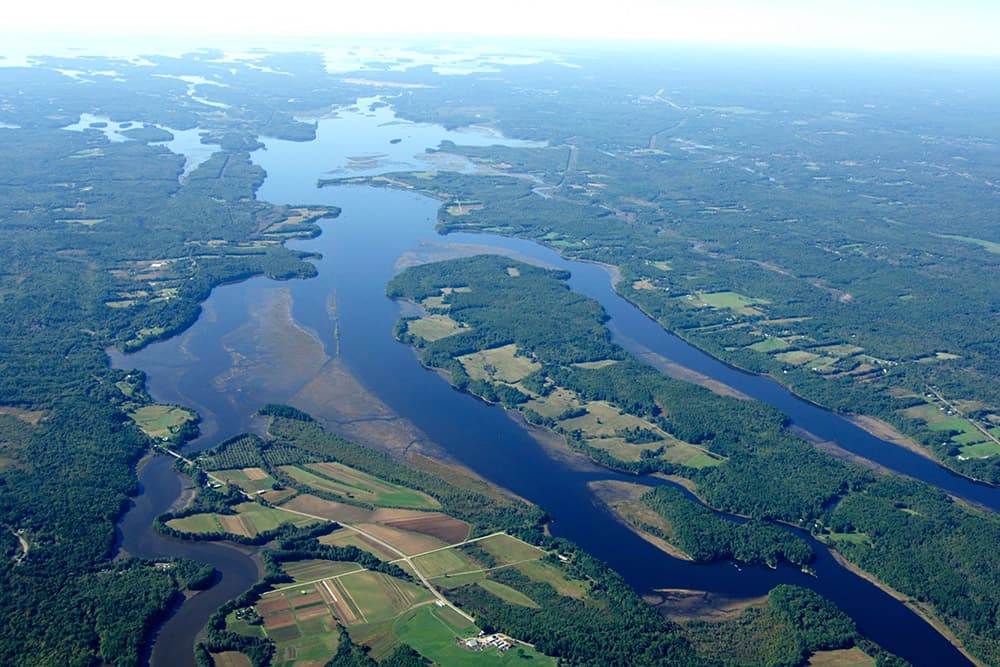
Midcoast wood bank sees sharp winter demand, supplies running low
Demand for donated firewood at the Midcoast Wood Bank in Topsham surged this winter, leaving supplies depleted and raising concerns for residents who rely on wood heat.
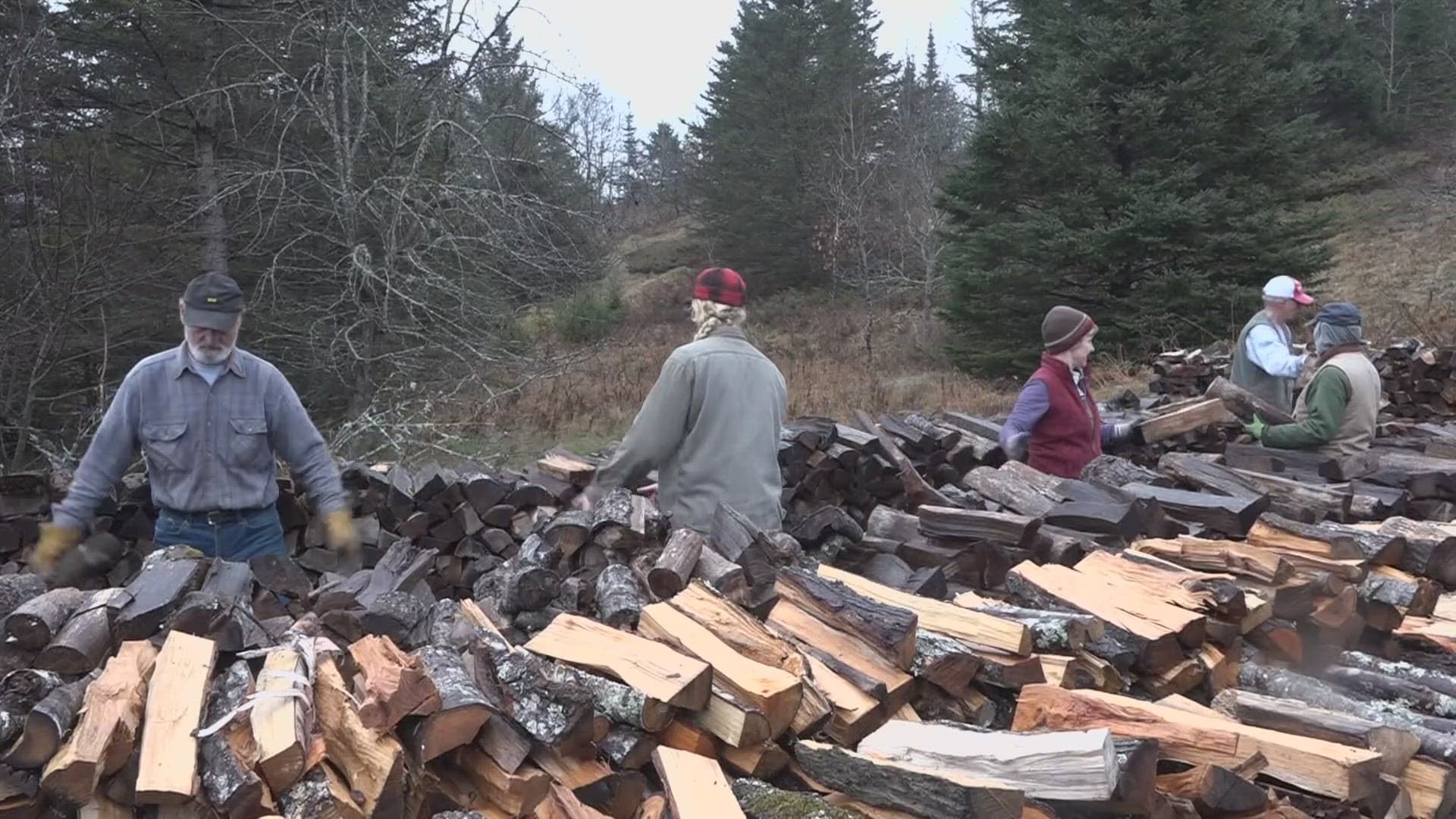
Demand for donated firewood at the Midcoast Wood Bank in Topsham rose sharply this winter, leaving the program with roughly 20 cords of wood by mid-January — down from about 100 cords at the start of the season. Volunteers reported that two-thirds of the wood on hand went out in December alone, intensifying pressure on a program that serves residents across Sagadahoc County who cannot afford commercial heating fuel.
The Midcoast site is one of 15 locations in the statewide Maine Wood Banks Network. Donations arrive from private landowners, contractors and other local suppliers. Volunteers then cut, split and stack the wood, and a local pastor with partner organizations coordinates distribution to vulnerable households. With supplies thinned after heavy distribution in December, volunteers say replenishing stock is a growing challenge even as volunteers continue day-to-day operations.
Meteorological trends help explain the surge. December 2025 was colder than normal and was the coldest December in Maine since 2017, driving early and intense need for heat. While January temperatures have averaged slightly above normal, the rapid drawdown of donated wood during the December cold snap left the wood bank with a much slimmer buffer heading into the rest of winter. At the same time, elevated heating-oil prices have put additional strain on household budgets, reinforcing reliance on wood heat for many rural Mainers.
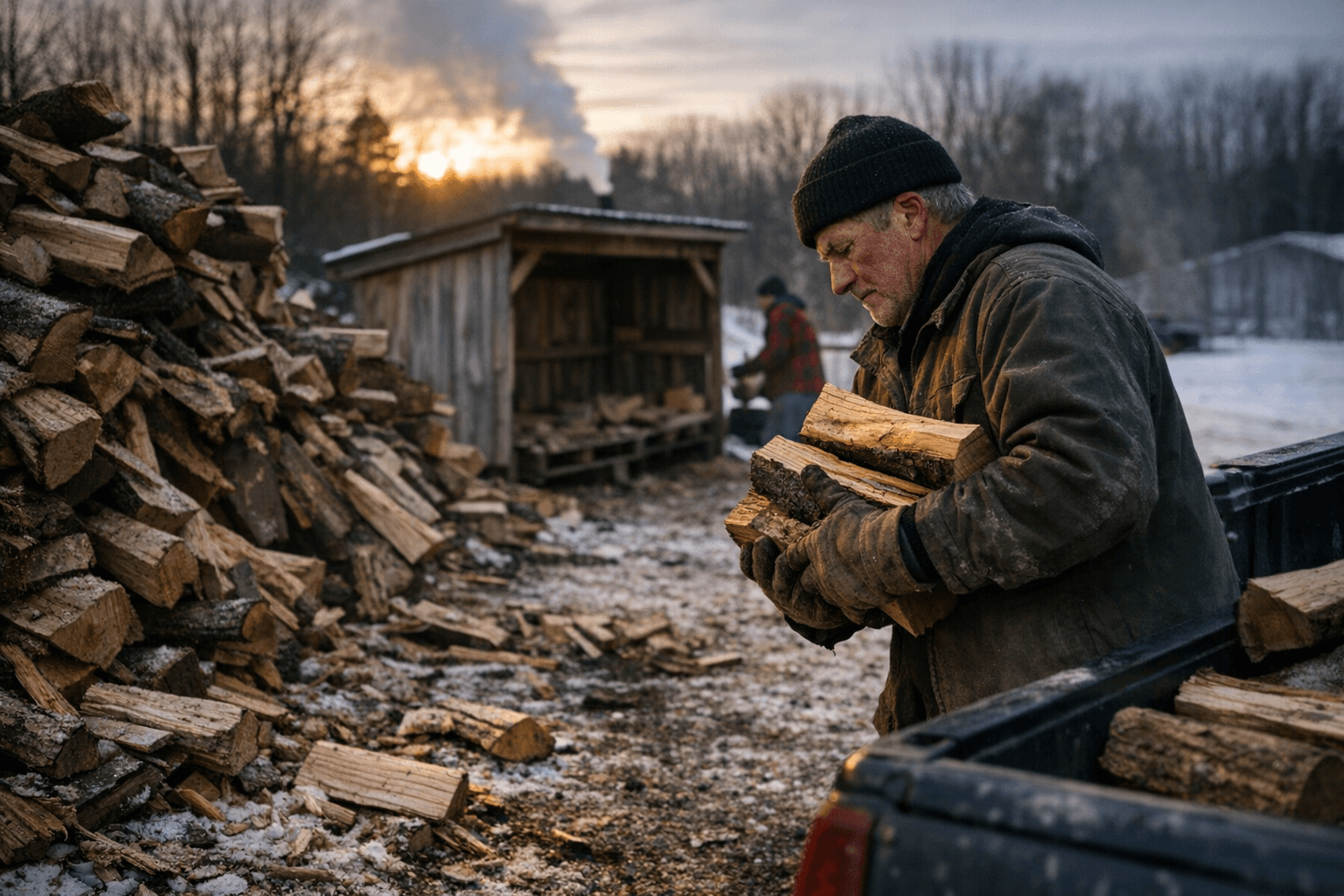
The local impact is both immediate and systemic. For households that cannot afford bulk oil deliveries or who lack access to other fuel assistance, donated firewood is a primary safety net against freezing temperatures. Reduced wood supplies increase the risk of unmet heating needs, which can have direct public health consequences for older residents, people with chronic illnesses and families with young children. For a county with a strong tradition of wood heat, the Midcoast Wood Bank's inventory levels are a barometer of winter fuel insecurity this season.
Volunteers and community partners are now balancing urgent distribution with efforts to solicit more donations and recruit helpers to process incoming wood. The situation underscores persistent gaps in energy affordability and access across rural Maine, where seasonal programs like wood banks play a critical role in preventing household energy crises.

For readers, this means the community may need to step up support through donations of ponderosa or split cordwood, offers of labor to help process deliveries, or by checking in on neighbors who rely on wood heat. As winter continues, replenishing Midcoast Wood Bank supplies will be essential to keeping homes in Sagadahoc County safe and warm.
Sources:
Know something we missed? Have a correction or additional information?
Submit a Tip