Middle East conflict cuts LNG supply, delays new global capacity
The Strait of Hormuz shutdown stripped nearly 20% of global LNG supply, and even the United States could not quickly cover the gap.
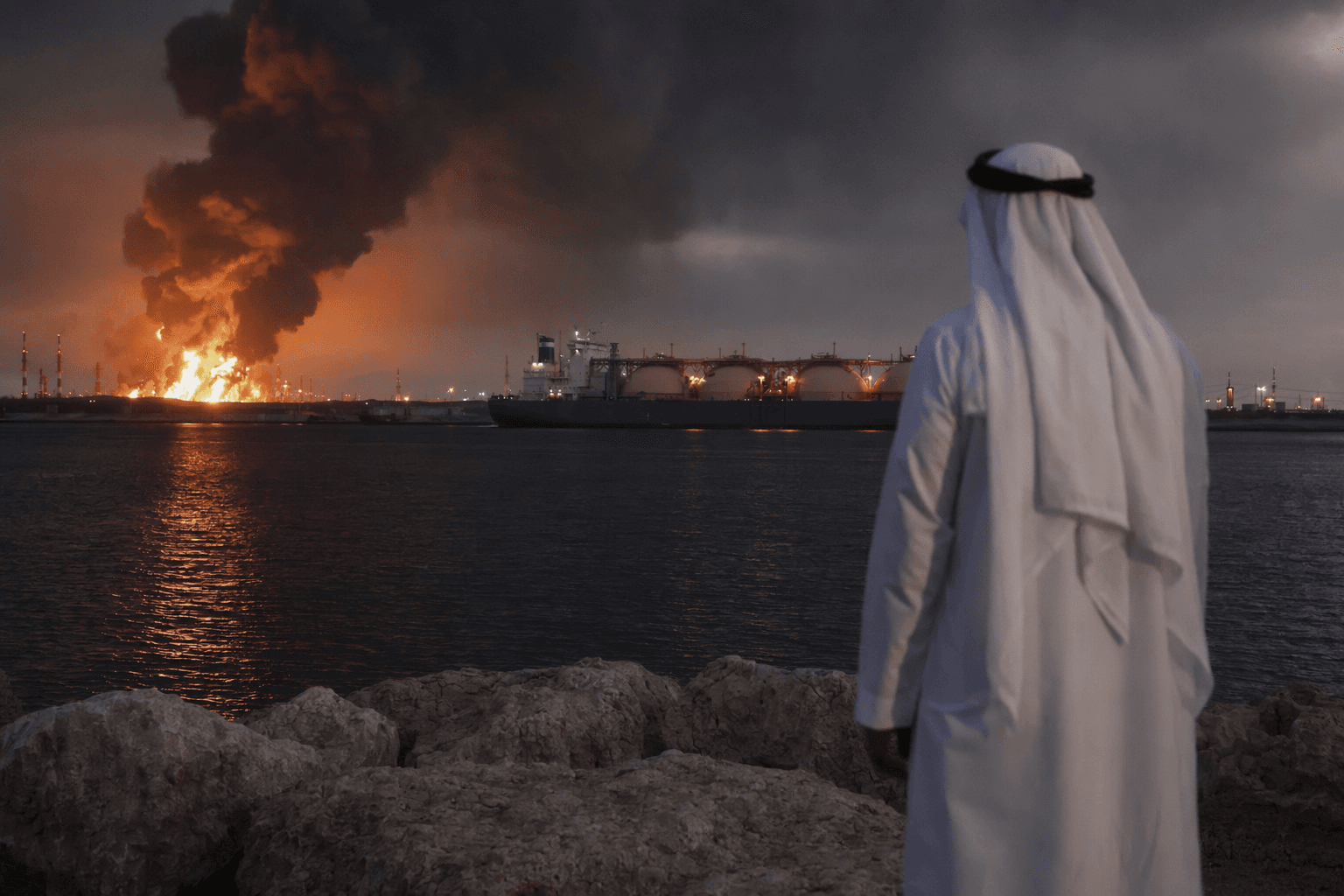
The Middle East conflict has exposed the hard ceiling on U.S. energy power: even as the world’s biggest LNG exporter, the United States could not rapidly replace the supply that vanished when the Strait of Hormuz effectively closed. The International Energy Agency said the disruption removed nearly 20% of global LNG supply from the market, while damage to liquefaction facilities in the region worsened the medium-term outlook and delayed a significant amount of new capacity that had been expected in the second half of this decade.
That shock reached far beyond the Gulf. With cargoes disrupted from Qatar and other regional suppliers, buyers in Europe and Asia faced tighter competition for remaining supplies, and the IEA said the market rebalancing that had been expected next year was now being pushed back. Global gas demand growth had already slowed to less than 1% in 2025, and the agency had expected a wave of new LNG supply to ease prices in 2026. The conflict interrupted that path just as the market was preparing for relief.
In the United States, there was little spare capacity to step in. The U.S. Energy Information Administration said LNG export terminals were expected to run near maximum capacity in 2026 because the price spread between Henry Hub and overseas spot markets remained wide. The agency forecast that an additional 0.9 billion cubic feet per day of nameplate export capacity would come online in the second quarter of 2026, including Corpus Christi Stage 3, Train 5, which reached substantial completion in March, and Golden Pass Train 1, which was set to begin exports in the second quarter.
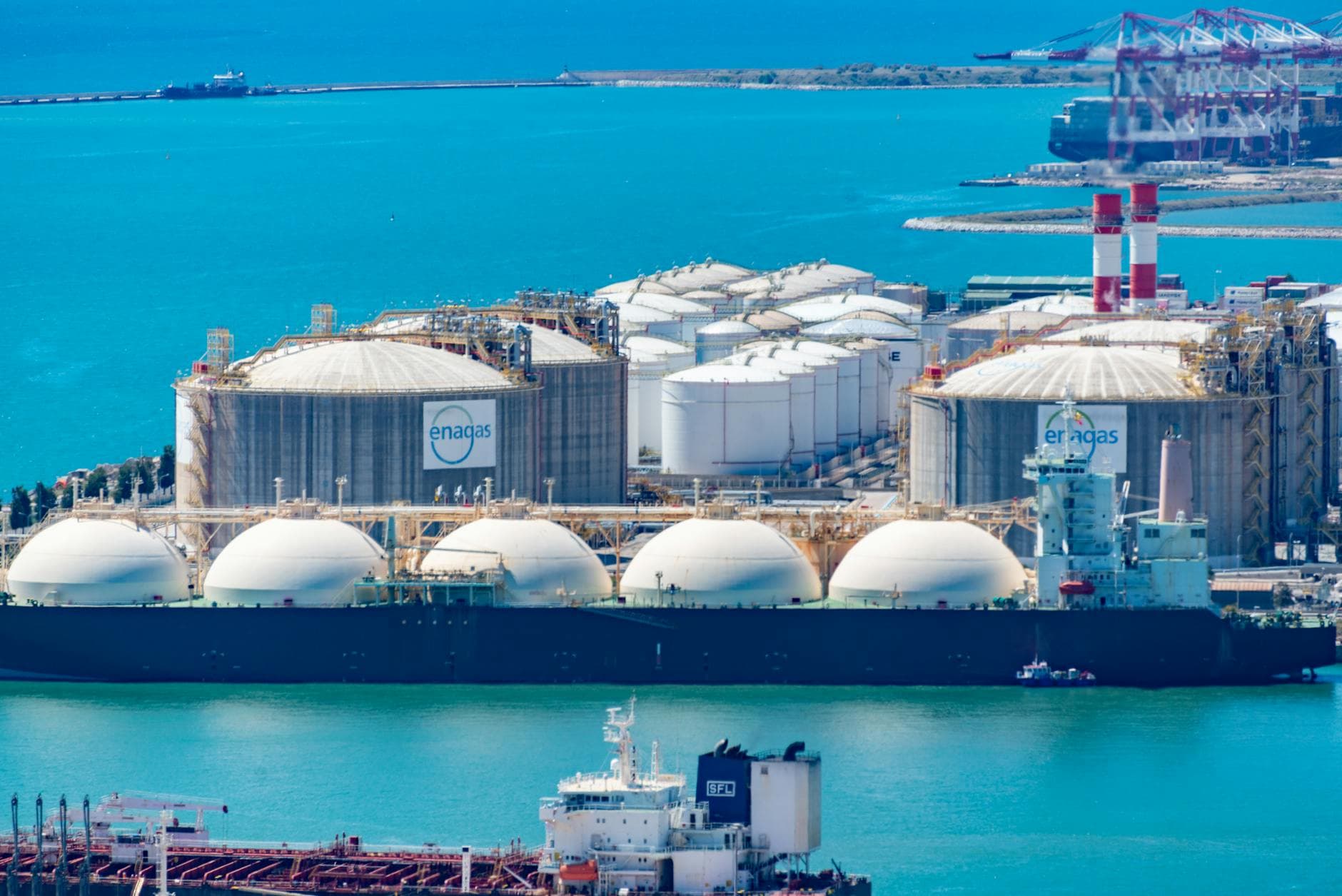
Even with those additions, Washington was not positioned to flood the market with replacement cargoes. The EIA projected full-year U.S. LNG exports of 17.0 billion cubic feet per day in 2026 and 18.6 billion in 2027, both above the previous annual record. The U.S. Department of Energy said the country was already the top global producer of natural gas and the number one exporter of LNG, with eight large-scale export terminals operating. That leaves limited immediate slack when a major supply hub is knocked offline.
The policy stakes are now sharper in Washington. Supporters of more export capacity argue that additional terminals would strengthen allies abroad and deepen America’s leverage in global energy markets. Critics say the same export machine can pull more gas out of the domestic market just as overseas shocks lift prices and tighten the margin for U.S. consumers. For now, the numbers point to a simple constraint: the United States can move more LNG, but not fast enough to offset a global supply loss of this size.
This article was produced by Prism’s automated news system from verified source data, official records, and press releases, then run through automated quality and moderation checks before publishing. The system is built and supervised by the people who set the standards it runs under. Read our full AI policy.
Did this article answer your question?
%3Amax_bytes(150000)%3Astrip_icc()%2FCertificate-of-deposit-2301f2164ceb4e91b100cb92aa6f868a.jpg&w=1920&q=75)