Middle East escalation sends oil higher, stocks lower as Strait of Hormuz risk grows
Oil climbed again as Iran-U.S. strikes rattled markets, with traders watching the Strait of Hormuz, through which about one-fifth of global crude flows.

Renewed strikes between Iran and the United States pushed oil higher and stocks lower, reviving a market fear that reaches far beyond trading screens: a faster jump in gasoline, shipping and inflation costs if the Strait of Hormuz is disrupted. Asian shares fell as Brent crude advanced and U.S. West Texas Intermediate also moved higher, showing how quickly the conflict was being priced into daily market moves.
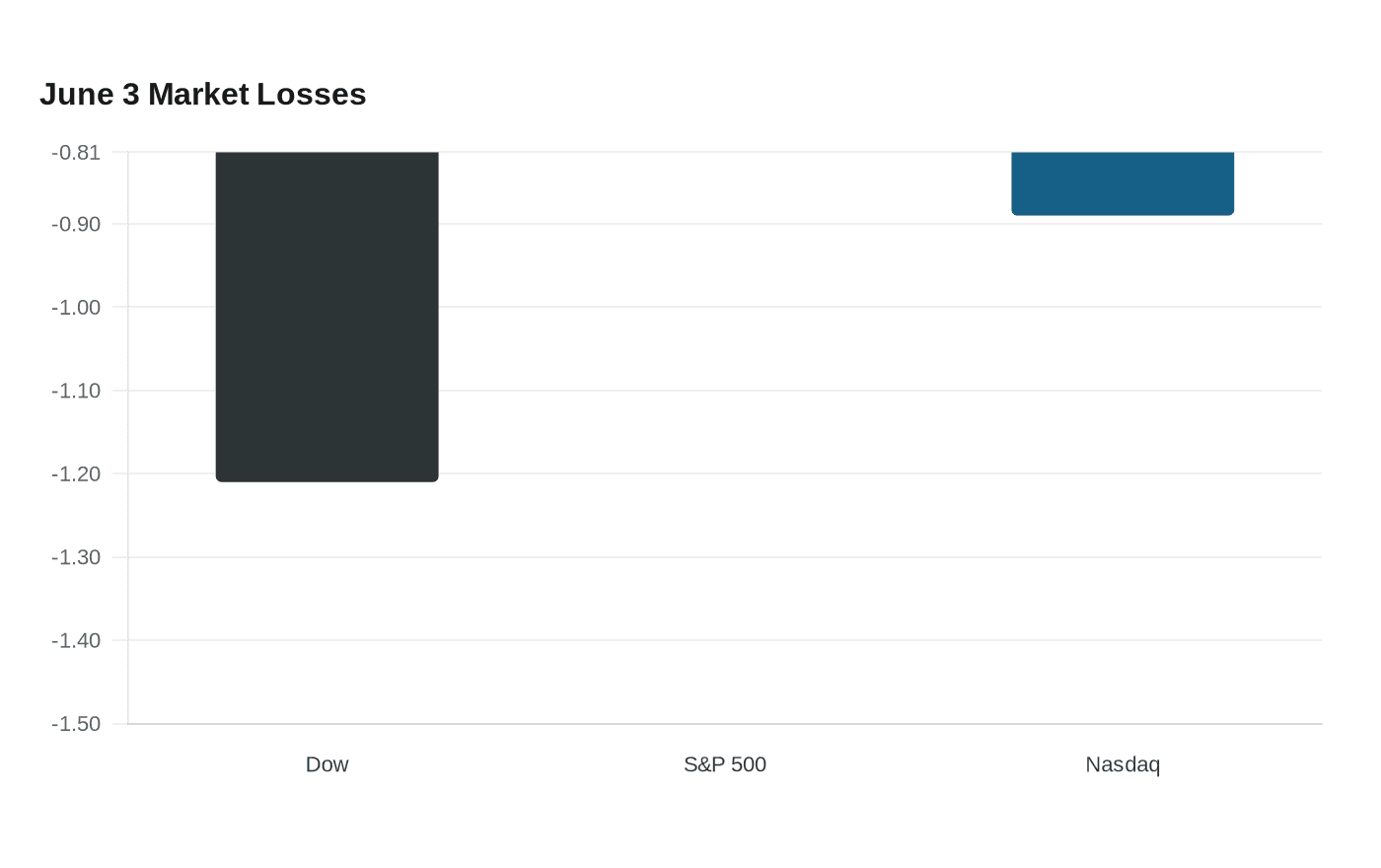
The selloff extended a sharp risk-off session on June 3, when the Dow Jones Industrial Average fell 1.21%, the S&P 500 lost 0.74% and the Nasdaq Composite dropped 0.89% as Middle East tensions worsened. Brent crude settled up 1.89% at $97.81 a barrel that day after Iranian attacks on Kuwait damaged the airport and injured dozens of people, while U.S. forces struck targets near the Strait of Hormuz.

That waterway matters because roughly one-fifth of global oil supply passes through it. Any sign of trouble there raises the odds that crude, fuel and freight prices will rise together, a combination that can show up quickly in inflation expectations and, eventually, consumer bills. Traders and strategists said the latest swings reflected fading hopes for a swift end to the Iran war, a broader turn toward safety and concern that renewed fighting could keep crude elevated for longer than markets first expected.
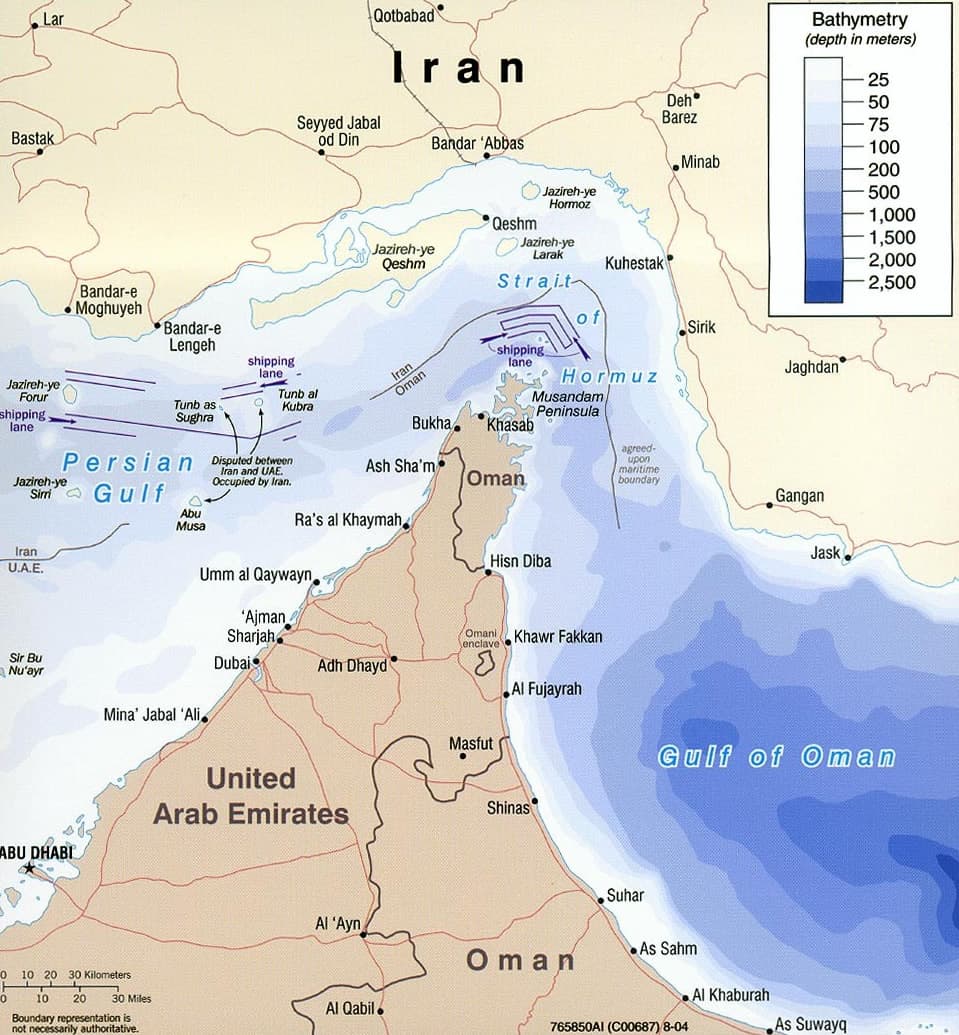
The pressure had already been visible in May, when U.S. military strikes against Iran pushed Brent back to around $99 a barrel after it had briefly dipped to about $96 the previous day. The U.S. military described those strikes as self-defense actions and said they targeted missile launch sites and boats attempting to lay mines, while Iran's Revolutionary Guards Corps threatened retaliation if the cease-fire was violated. Brent had also neared $100 a barrel in the days before the latest flare-up, underscoring how fragile the truce had become.
For now, the market is separating a supply scare from a broader economic shock. If crude stays near recent highs without further disruption, investors may treat the move as another inflationary flare-up. If attacks threaten shipping through the Strait of Hormuz or draw in wider intervention, the spillover could deepen fast, hitting equities, interest-rate expectations and the cost of moving energy around the world.
This article was produced by Prism’s automated news system from verified source data, official records, and press releases, then run through automated quality and moderation checks before publishing. The system is built and supervised by the people who set the standards it runs under. Read our full AI policy.
Did this article answer your question?