Middle East war drives food costs higher, deepens global hunger crisis
Food, fuel and fertilizer costs are climbing as the Middle East war rattles aid routes, putting millions more people at risk of acute hunger.
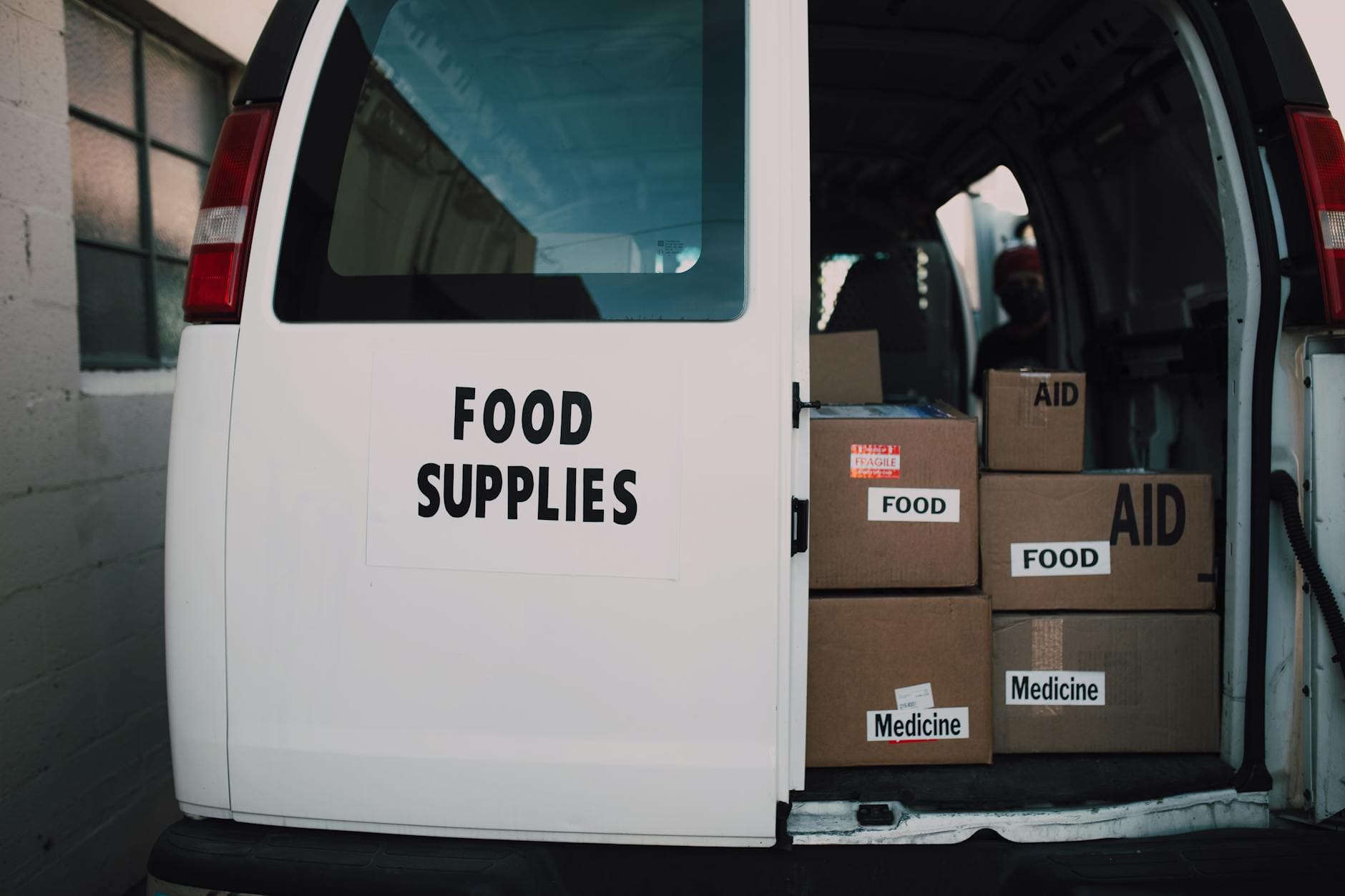
Aid agencies are being squeezed from both directions as the Middle East war pushes up food, fuel and fertilizer costs and a separate wave of funding cuts leaves less money to respond. The result is a global knock-on effect: shipping is more expensive, relief routes are less reliable, and emergency supplies are taking longer to reach fragile countries already living close to the edge.
The World Food Programme warned in March that roughly 45 million more people could be pushed into acute hunger this year if the conflict persists. UN agencies said on May 1 that food and fuel price hikes, along with aid-route disruptions, were worsening humanitarian conditions well beyond the region. WFP has said the conflict is also disrupting global supply chains, increasing shipping costs and delaying fertilizer deliveries, a combination that could drive the number of food-insecure people to record levels in 2026.
The strain is especially severe in import-dependent countries in Africa and Asia, where governments and aid groups rely on steady shipments of grain, fuel and agricultural inputs. UN reporting in April said the war, combined with the near halt to shipping in the Strait of Hormuz, amplified the energy crunch in developing nations that depend on imported gas, food and fertilizers. That has made the crisis not just a regional security problem, but a global systems failure that is bleeding into markets and humanitarian operations far from the battlefield.
Sudan shows how quickly that pressure turns into hunger. WFP says the country is the world’s largest hunger crisis, with 41% of the population facing high levels of acute food insecurity. The agency says it urgently needs US$610 million to continue operations there from March to August 2026, a reminder that even the biggest emergencies are being forced to compete for shrinking resources.

Those shortages are colliding with a humanitarian sector already hollowed out by earlier cuts. OCHA’s Global Humanitarian Overview 2025 described the funding environment as a moment of reckoning and said brutal funding cuts had forced aid agencies to further reduce the number of people they could hope to save. UN reporting in 2025 said hundreds of aid organizations had shut down and the sector had contracted to about one-third of its size from 10 months earlier.
UN officials have warned that the Middle East war could cause the worst disruption to lifesaving humanitarian work since COVID. With prices rising and relief pipelines under strain, the people paying the highest price are often the ones furthest from the fighting.
This article was produced by Prism’s automated news system from verified source data, official records, and press releases, then run through automated quality and moderation checks before publishing. The system is built and supervised by the people who set the standards it runs under. Read our full AI policy.
Did this article answer your question?


