Middle East wars leave all sides bloodied, no clear victor
Israel, Iran and the United States each claimed tactical gains, but the June 2025 war still drove millions from Tehran, hit al Udeid in Qatar and left Gaza’s hunger crisis worsening.
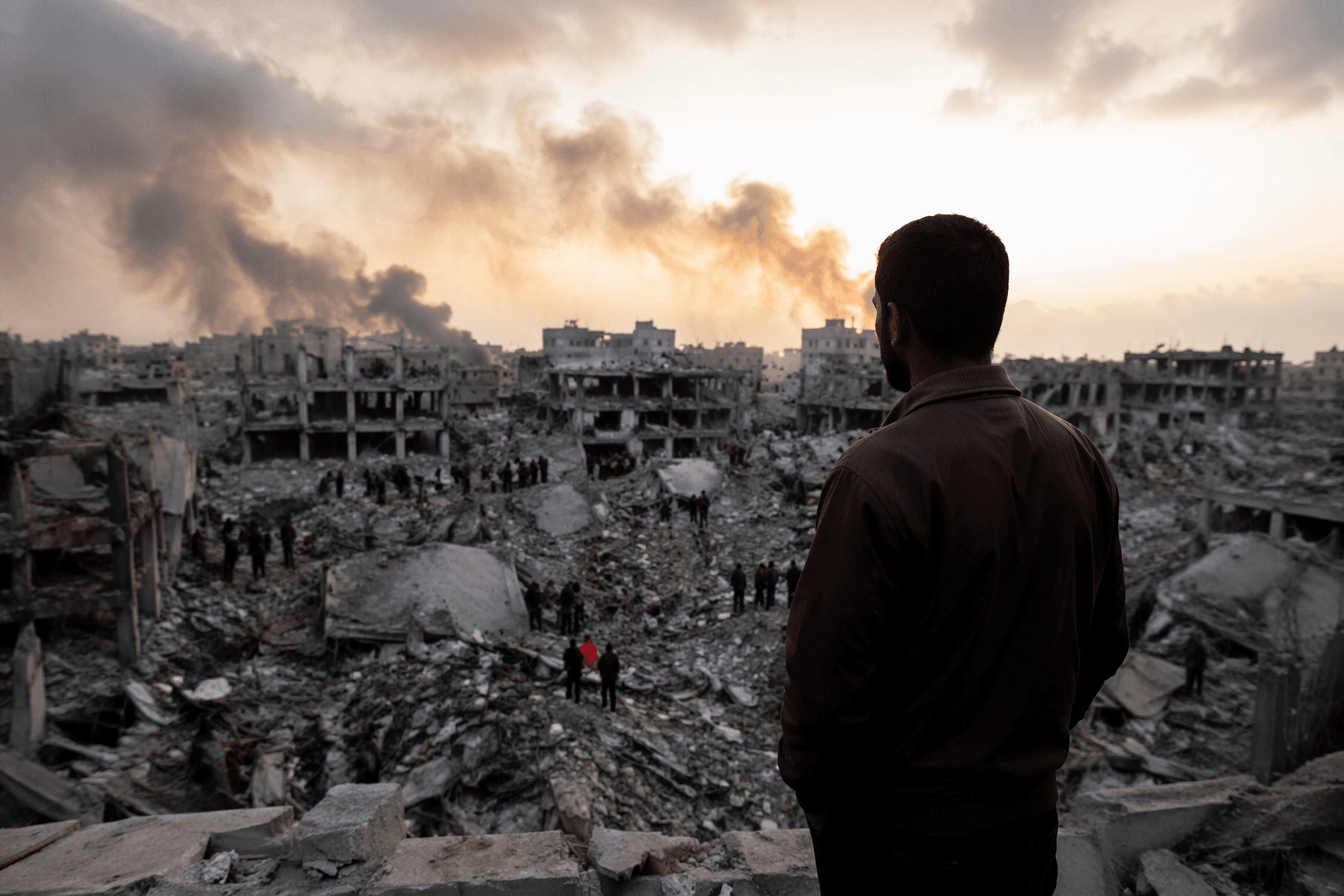
Israel’s 12-day war with Iran delivered striking battlefield images and no durable political answer. Israel hit Iran’s nuclear program, ballistic missile sites and energy facilities after the fighting began on June 13, 2025, and Iran answered with missiles and drones aimed at Israeli cities. By the time a ceasefire was announced on June 23-24, the region had seen the first major direct war between the two states, plus a wider test of how far each side could escalate without triggering something larger.
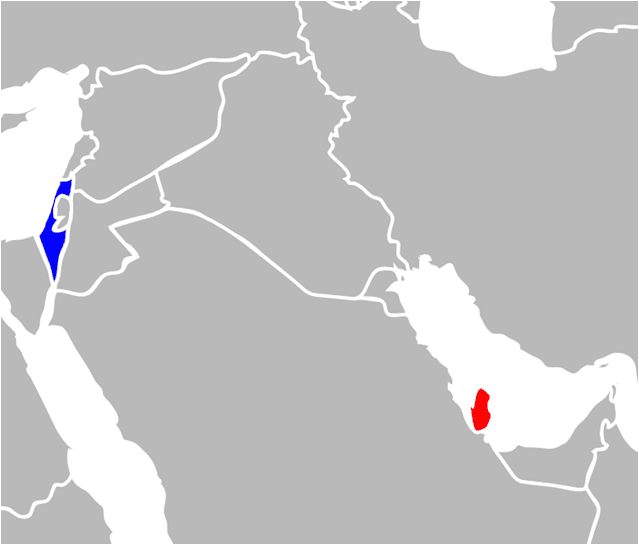
Each side could point to a narrow victory. Israeli strikes damaged Iranian air defenses and showed the reach of its air power over the Islamic Republic. Iran, however, kept firing long enough to put Israeli civilians under sustained threat, and millions fled Tehran as the strikes intensified. The United States then entered the conflict, hitting Iranian nuclear sites before Iran retaliated against the al Udeid Air Base in Qatar, a move that widened the crisis beyond the two principal adversaries.
The ceasefire itself looked more like a pause under pressure than a settlement. Donald Trump announced the truce plan, and Qatar helped mediate it, but uncertainty hung over the first hours of the agreement as missile launches were still being reported when the fighting was supposed to stop. The result was a fragile halt, not a political breakthrough, and no public framework for limiting Iran’s nuclear ambitions, constraining Israel’s strike policy or preventing the next round of retaliation.
Gaza made clear how little the wider region had gained. The war that began after the Hamas-led attacks on Israel on October 7, 2023 continued through the Iran-Israel fighting, with Israeli strikes killing Palestinians in Gaza in June 2025. By late June, the United Nations said casualty figures were still being updated from Gaza’s Ministry of Health and Israeli authorities. In July, UN agencies warned that child malnutrition in Gaza City was worsening sharply, with 16 percent of 14,747 children screened identified as suffering from acute malnutrition.
The food system was also fraying. OCHA said food distribution fell after aid disruptions and kitchen closures, deepening a crisis already defined by bombardment, displacement and infrastructure collapse. Lebanon remained part of the same regional arc of escalation, but the clearest verdict from this round of wars was the same across each front: tactical gains for armed actors, deeper trauma for civilians, and a Middle East no closer to a durable settlement.
This article was produced by Prism’s automated news system from verified source data, official records, and press releases, then run through automated quality and moderation checks before publishing. The system is built and supervised by the people who set the standards it runs under. Read our full AI policy.
Know something we missed? Have a correction or additional information?
Submit a Tip