Mike Rugnetta’s Never Post grows into an indie podcast success
Mike Rugnetta turned a fully scored internet podcast into an employee-owned indie success built for sustainability, not venture capital.

Mike Rugnetta has spent nearly two decades building media that only works if the machinery behind it works too. With Never Post, the writer, host, producer, and sound designer has turned an internet podcast into a carefully built indie operation, one that treats stable production, shared resources, and home-studio resilience as part of the story. That makes his career a sharp lens on the creative economy: the output may sound effortless, but the conditions behind it are anything but.
A creator built around sound and systems
Rugnetta has worked in digital media since 2007, and his path has always been broader than a single role. He has described himself as a writer, podcast host, producer, audio engineer, educator, musician, sound designer, and father, which fits a career spent moving between creative and technical labor. His personal site says his interests include media, technology, contemporary politics, and the distribution of power, a mix that helps explain why his work keeps returning to how media gets made, financed, and sustained.
Before Never Post, Rugnetta was the host, writer, researcher, and co-creator of Idea Channel, the PBS Digital Studios series that PBS and PBS SoCal describe as a pop-theory and modern-culture show. The series won five Webby Awards, a sign that his work has long sat at the intersection of smart editorial framing and polished production. He also hosts and co-creates Fun City, a tabletop role-playing podcast, and his website notes that he is a longtime tabletop role player and trained composer.
That background matters because it shows how much of Rugnetta’s career has depended on infrastructure that is easy to overlook. His first career was as a sound designer for theater and A/V systems for performance art, work that rewards precision, reliability, and an ear for the practical limits of a room. In other words, Rugnetta is not just a voice on a microphone. He is someone whose creative life has been shaped by the mechanics underneath the performance.
Never Post is built like a sustainable shop, not a hype machine
Never Post presents itself as a podcast about and for the internet, but its structure is just as important as its subject. The show says each episode is fully scored and sound designed, which means the editing bench is part of the artistic identity, not a finishing touch. Rugnetta’s official bio identifies him as producer, host, and sound designer, and that concentration of responsibility signals a compact operation where craft and management are closely tied together.
The show also makes its economics unusually explicit. Never Post says its goal is to be fun, interesting, and sustainable, and it says it has no venture-capital funding or startup capital. That framing matters in a media environment where many ambitious projects are built to chase growth first and figure out the business later. Never Post is doing the opposite: it is defining success as something that can endure.
In 2025, the show announced that it was joining Radiotopia while remaining independent and employee-owned. Radiotopia describes itself as a network of individually produced shows that team up to share resources and fundraise together, which makes it a fit for a show that wants support without surrendering control. The arrangement is revealing. It shows that scale does not have to mean surrender, and that a podcast can grow by joining a network while still keeping ownership where the creators are.
By early 2026, Never Post had marked its two-year birthday in an episode devoted to the show itself. That milestone matters because it signals something rare in podcasting: not just attention, but continuity. A young show can attract listeners quickly; a durable show has to solve the less glamorous problems of staffing, workflow, fundraising, and technical consistency long enough to keep publishing.
The hidden cost of making media at home
Rugnetta’s career also points to a larger truth about creative work in America: independence is never just a matter of talent. It depends on reliable electricity, functional equipment, quiet space, and the ability to absorb breakdowns without losing a week of work. A home studio is not a metaphor; it is an operating environment, and one bad component can stall an entire production pipeline.
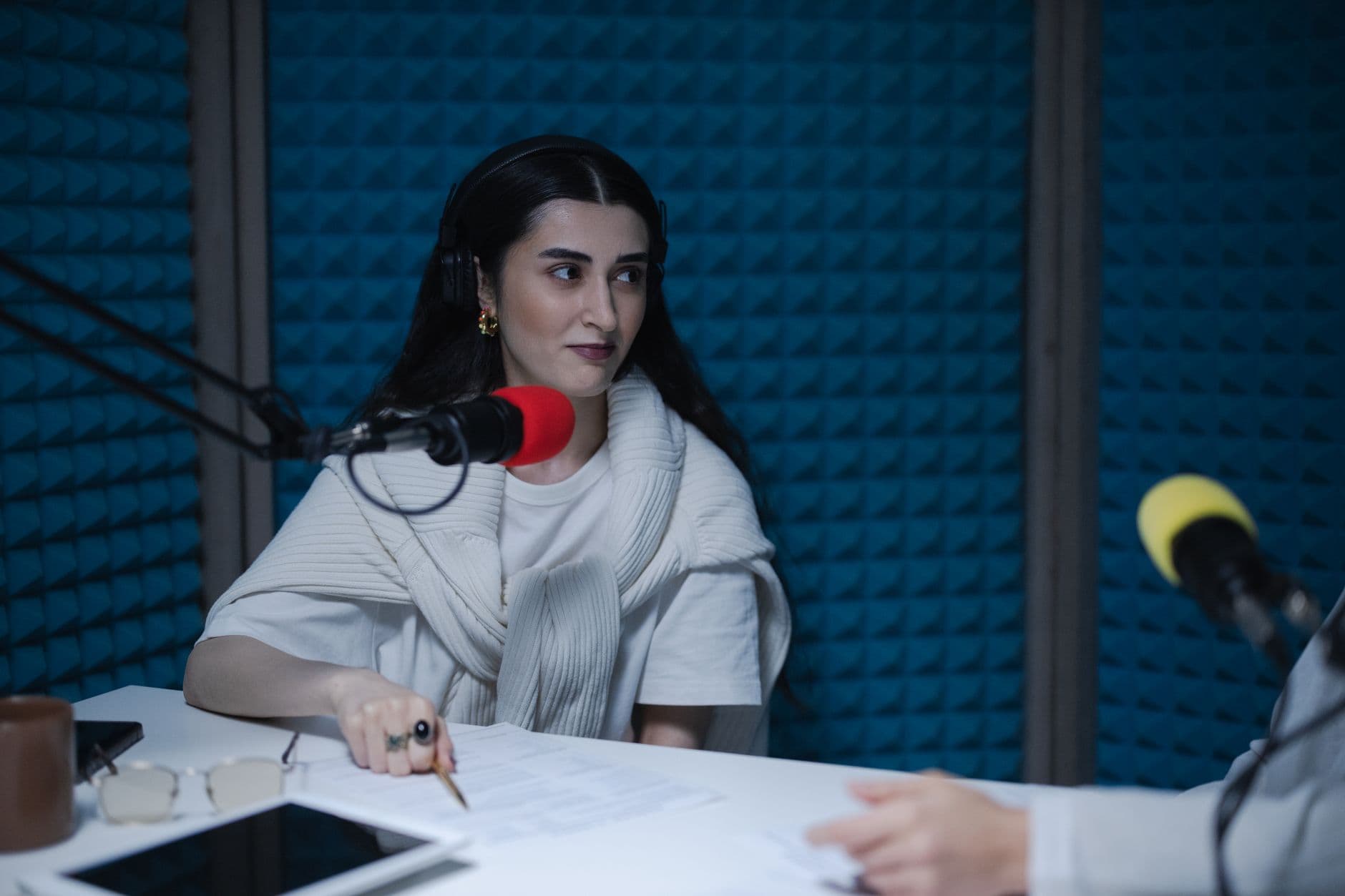
That is why Rugnetta’s background in theater sound and A/V systems matters so much. Someone trained in those environments understands that creativity travels through hardware, wiring, power, and acoustics before it reaches an audience. When a show like Never Post says it is fully scored, sound designed, and built sustainably, it is also saying that time, labor, and technical resilience have been budgeted into the process from the start.
The same is true of his broader body of work. Idea Channel, Fun City, and Never Post all rely on the kind of precision that makes a show feel fluid even when the labor behind it is complex. Rugnetta’s mix of editorial, technical, and musical skills is exactly what lets him move between formats, but it also highlights a more basic fact: this kind of media career is only possible when the creator can control enough of the environment to keep working.
What Rugnetta’s path says about who gets to make media
Rugnetta’s profile is ultimately about power in a practical sense. His own interests point toward media, technology, politics, and distribution, and his career shows how those forces meet inside one person’s working life. Never Post’s employee-owned structure, its rejection of startup capital, and its decision to join a network built for independent shows all reflect a model that prizes autonomy without pretending autonomy is free.
That is the larger lesson hidden inside the podcast’s success. Stable electricity, durable equipment, and a home studio that can withstand ordinary disruptions are not background details. They are part of the civic infrastructure of the creative economy, deciding who can keep making media, who can scale it, and who can survive long enough to turn craft into a lasting institution.
This article was produced by Prism’s automated news system from verified source data, official records, and press releases, then run through automated quality and moderation checks before publishing. The system is built and supervised by the people who set the standards it runs under. Read our full AI policy.
Did this article answer your question?