Millions gather for Hajj amid Middle East war and heightened security
Hajj moved forward under war shadow and tight security, as 1.7 million pilgrims reached Mecca and many Iranians stayed home.

For millions of Muslims, Hajj is a lifelong duty. This year, the pilgrimage unfolded under the strain of a widening Middle East war, with Saudi authorities tightening security around Mecca’s holy sites as pilgrims pressed ahead with the rites that culminate at Mount Arafat.
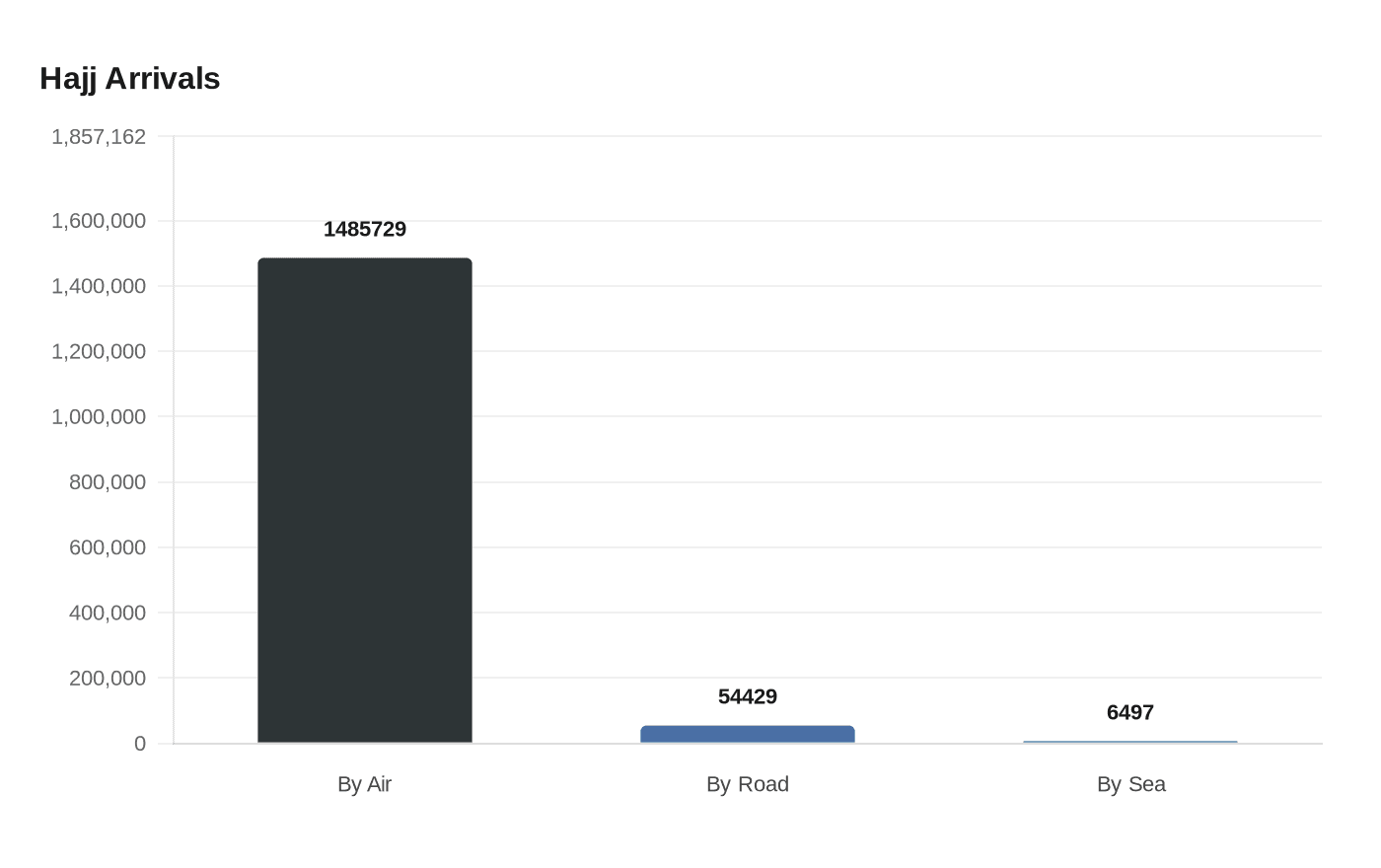
Saudi Arabia’s General Authority for Statistics said Hajj 2026 drew 1,707,301 pilgrims in total, including 1,546,655 from outside the kingdom and 160,646 domestic pilgrims. The tally also showed 893,396 male pilgrims and 813,905 female pilgrims. Most international arrivals came by air, with 1,485,729 flying in, compared with 54,429 who arrived by road and 6,497 by sea.

By Tuesday, May 26, pilgrims had reached Mount Arafat and the holy sites near Mecca for the most important rites, the day associated with Eid al-Adha. Officials said more than 1.2 million pilgrims had arrived in Saudi Arabia earlier in the week, while other reports put the number of visitors from outside the kingdom at more than 1.5 million despite regional tension. The scale underscored how central the annual gathering remains even as conflict reshapes travel, security and the emotional landscape around it.
Saudi authorities increased security because of concerns about aerial threats and broader instability tied to the war. That added another layer of anxiety to an already demanding journey, one that often requires years of saving, waiting and planning. For many pilgrims, the ability to complete Hajj carried relief as much as devotion after travel disruptions and rising costs complicated the path to Mecca.

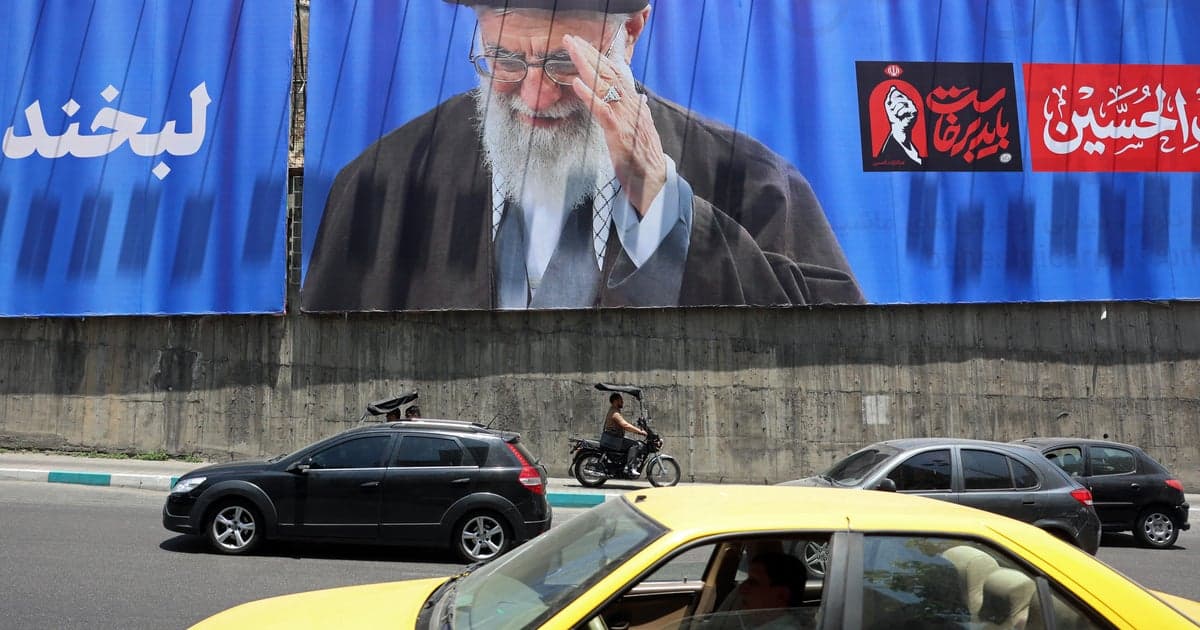
The war hit Iranian pilgrims especially hard. One report said only about 30,000 of an expected 86,700 Iranian pilgrims traveled this year because of the wartime situation. The strain carried added political weight because Hajj has long been sensitive between Saudi Arabia and Iran. Their last major dispute followed the 2015 stampede that killed 2,300 pilgrims, including 464 Iranians, and relations were severed the next year before the two countries restored ties in 2023 through a China-brokered agreement.
Hajj remains one of Islam’s Five Pillars and is required at least once in a lifetime for Muslims who are physically and financially able. This year’s pilgrimage showed that obligation enduring even as war, security fears and geopolitical mistrust pressed in from outside the holy sites.
This article was produced by Prism’s automated news system from verified source data, official records, and press releases, then run through automated quality and moderation checks before publishing. The system is built and supervised by the people who set the standards it runs under. Read our full AI policy.
Did this article answer your question?