Mills College Art Museum Moves to Repatriate Native American Cultural Items Under NAGPRA
The Mills College Art Museum, now part of Northeastern University, filed a federal repatriation notice opening a May 4 window for tribes to reclaim ancestral cultural objects.
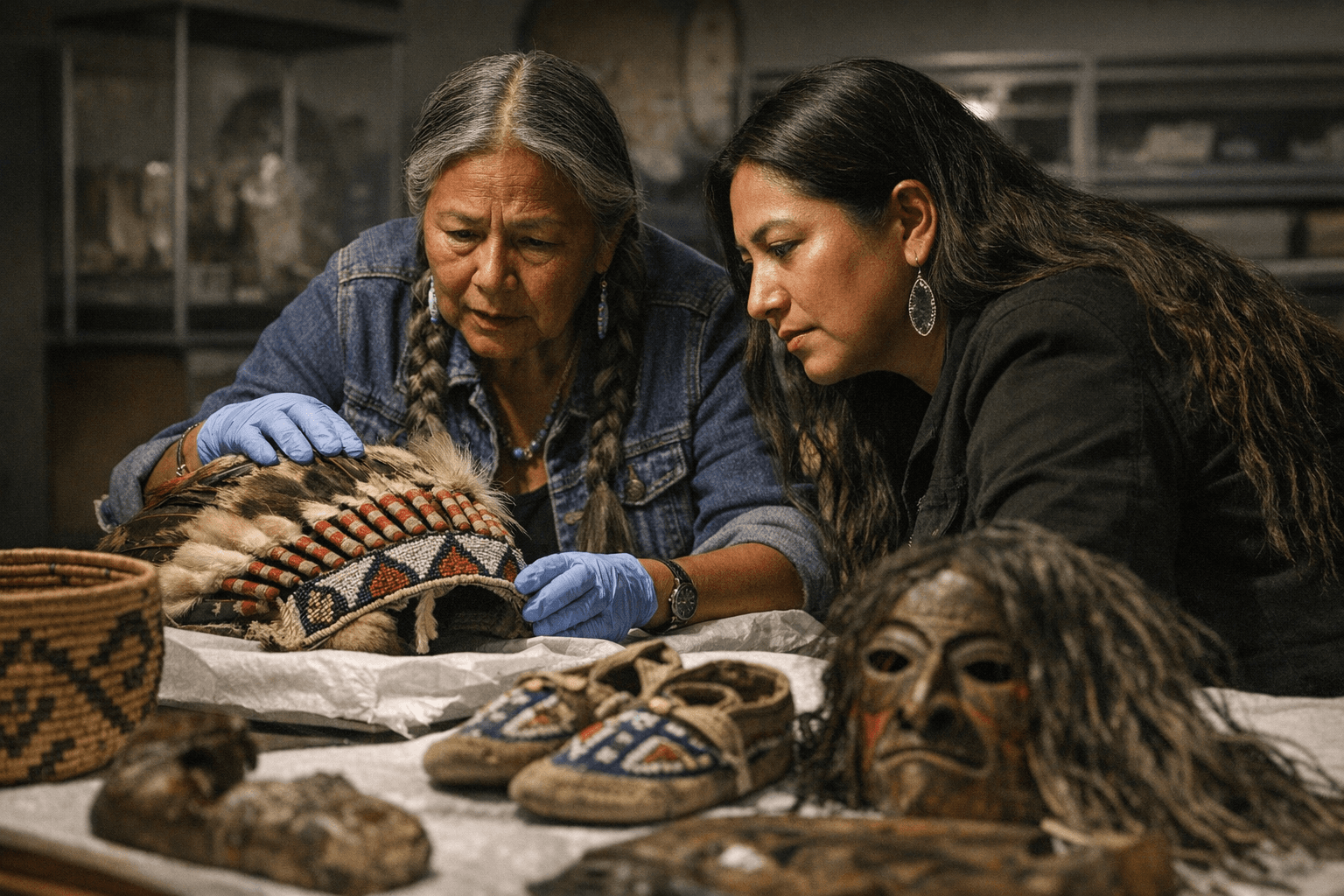
The Mills College Art Museum, now operating as part of Northeastern University following the Oakland institution's June 2022 merger, formally notified the federal government that it intends to repatriate cultural items linked to specific Indian tribes and Native Hawaiian organizations, triggering a 32-day public claim period under the Native American Graves Protection and Repatriation Act.
The notice, published in the Federal Register on April 2, identifies cultural items the museum has determined meet NAGPRA's statutory definition of objects of cultural patrimony and are affiliated with particular tribes or Native Hawaiian organizations. Tribal representatives and other claimants have until May 4, 2026 to submit written requests asserting repatriation rights before any transfers can proceed.
Objects of cultural patrimony occupy a distinct legal category under NAGPRA: they are items of ongoing historical, traditional, or cultural importance central to an Indigenous group and communally owned rather than held by individuals. That designation carries significant legal weight, acknowledging that such objects were never legitimately alienable from their communities of origin.
The filing comes as the law's 2024 regulatory overhaul continues to reshape how institutions handle Indigenous collections. The Department of the Interior's updated rules, which took effect January 12, 2024, targeted persistent compliance failures across American museums, including inconsistent consultation with tribal authorities and the longstanding practice of labeling human remains as "culturally unidentifiable" to sidestep repatriation obligations. The underlying data on the law's 35-year track record makes clear why those reforms were necessary: of the 208,698 Native American human remains reported by museums since NAGPRA was enacted in 1990, the repatriation process has been completed for only 48 percent. The backlog of associated funerary objects is estimated at roughly 2.6 million items reported since the law's passage.
Federal Register notices are the administrative spine of NAGPRA's repatriation framework. They specify what objects are held, provide cultural affiliation statements, and name an institutional contact for claims. They also mark the start of a logistically demanding process: curatorial research, provenance documentation, tribal consultation, and physical transfer arrangements, including, where applicable, culturally appropriate reburial.
Mills College's notice is one of several repatriation filings published simultaneously in the April 2 Federal Register, illustrating the administrative volume that federal NAGPRA staff and tribal representatives now navigate. The 2024 rule revisions shifted more of the compliance burden directly onto museums and federally funded institutions, and the pace of Federal Register notices has reflected that pressure.
For tribal nations and Native Hawaiian organizations monitoring these filings, the May 4 window is a hard legal deadline: the date after which objects can lawfully be returned. The clock started today.
Know something we missed? Have a correction or additional information?
Submit a Tip