Mindfulness-Based Stress Reduction boosts quality of life in head and neck cancer
An 8-week mindfulness-based stress reduction trial improved quality of life and positive psychological traits in head and neck cancer patients. This supports adding mindfulness into supportive oncology care.
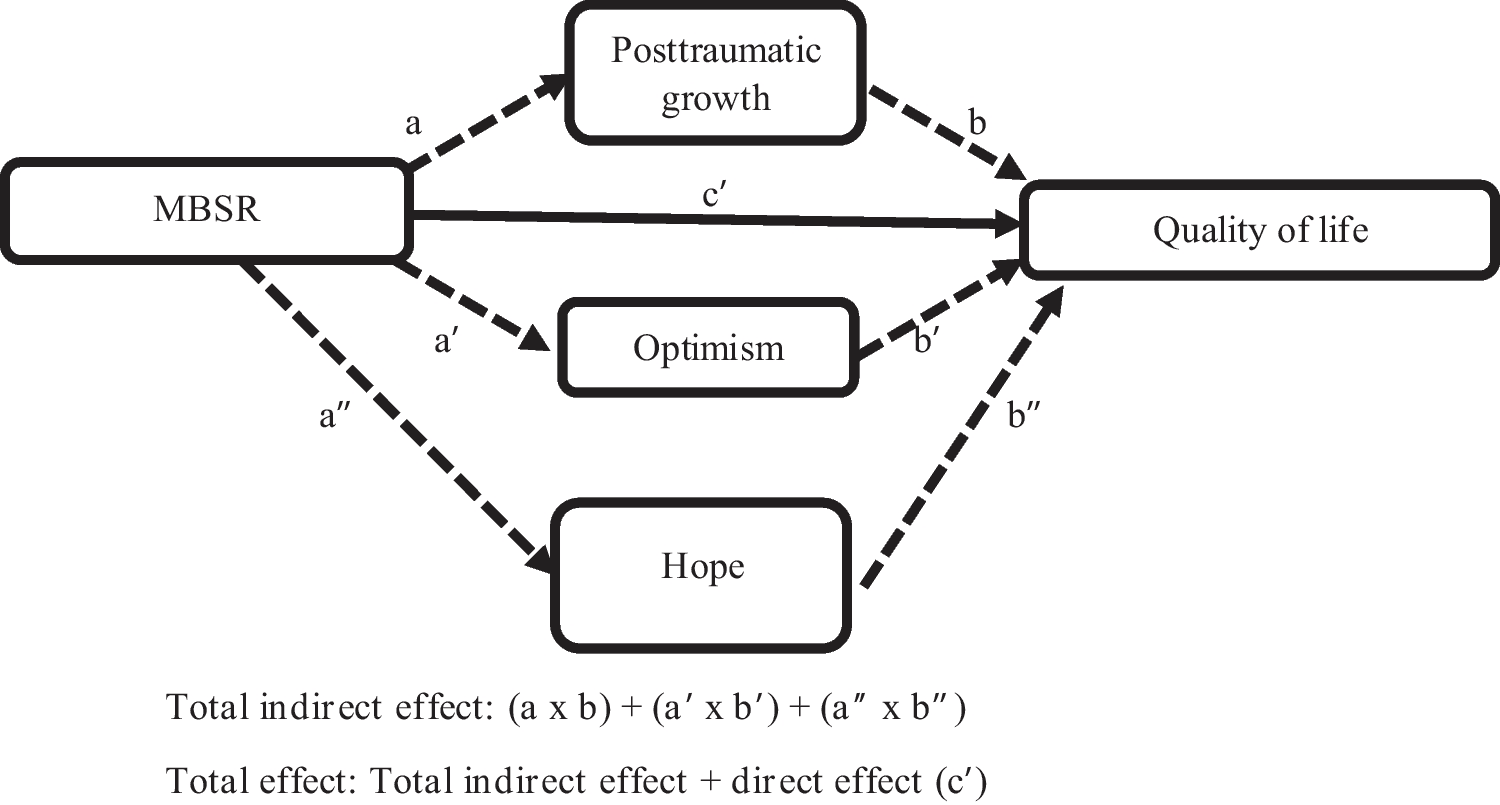
A recent open-access randomized controlled trial tested an 8-week Mindfulness-Based Stress Reduction (MBSR) program adapted for people with head and neck cancer and found meaningful gains in quality of life and positive psychological traits compared with control participants. The randomized design, intervention fidelity checks, and validated outcome instruments give the findings weight for clinicians and meditation teachers working with oncology populations.
The trial enrolled adults with head and neck cancer and used standard randomization and statistical analyses to compare MBSR with usual care or an active comparison. Outcome measures included quality of life instruments commonly used in oncology alongside psychological trait scales that capture positive affect, coping, and emotion regulation. Intervention fidelity checks were reported to ensure the program was delivered consistently, and sample characteristics were described to help interpret applicability.
The MBSR program was adapted specifically for the head and neck cancer population and combined guided mindfulness practices, gentle movement, body-scan, and teacher-led inquiry. Results reported statistically significant and clinically relevant gains in domains of wellbeing and positive affect. Participants also showed improvements in coping and in some measures of emotion regulation, suggesting benefits that go beyond symptom reduction to support psychological resilience during and after treatment.
Authors discussed likely mechanisms behind the improvements, highlighting increased present-moment awareness and reduced ruminative processing as plausible pathways. Those mechanisms align with core MBSR aims and will feel familiar to mindfulness teachers who emphasize anchoring attention to the breath and bodily sensations and interrupting cycles of worry and rumination.

The study is not without limits. The authors noted sample size and generalizability as constraints, and larger multisite trials will be required to confirm effects across diverse settings and stages of care. Still, the randomized, controlled approach and use of validated measures move the evidence base forward for integrating mindfulness into supportive oncology services.
For mindfulness teachers and program coordinators, this trial underscores practical priorities when working with head and neck cancer groups: adapt practices for comfort and safety, include gentle movement and body-centered practices, preserve teacher-led inquiry, and use validated QOL and psychological measures to track outcomes. Oncology teams can consider partnering with trained MBSR instructors to offer structured programs as part of survivorship and supportive care.
This study signals a promising step toward routine inclusion of tailored MBSR in supportive oncology care. Next steps include larger trials, implementation research to translate protocols into clinics, and training pathways so teachers can safely and effectively meet the specific needs of people with head and neck cancer.
Sources:
Know something we missed? Have a correction or additional information?
Submit a Tip