Mindfulness-based stress reduction tested for feasibility in functional neurological disorder
A pre-proof study tests mindfulness-based stress reduction for people with functional neurological disorder, a potential step toward nonpharmacological care that the community will want to watch.
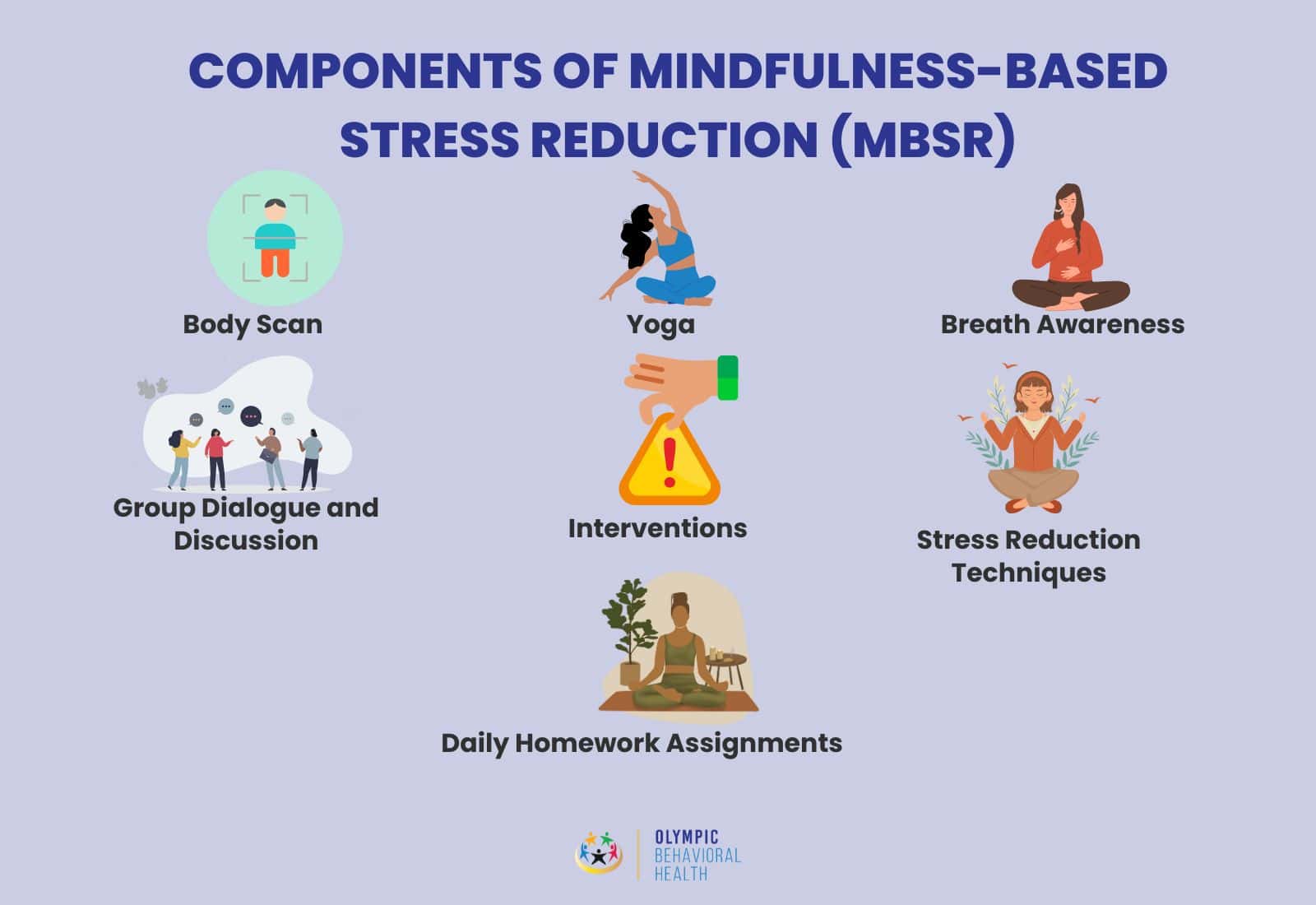
A feasibility study has examined whether Mindfulness-Based Stress Reduction (MBSR) can be delivered to people with Functional Neurological Disorder (FND), marking an early effort to adapt a well-known mindfulness program to a neurological patient group. The study is available as a journal pre-proof online and is listed in Journal of Psychosomatic Research, Volume 204.
Key methodological and outcome details for the FND trial are not included in the material released so far. The available record identifies the work as a feasibility study of MBSR for FND but does not report sample size, participant characteristics, delivery mode, control conditions, measures, numerical results, or author names. That lack of detail means practitioners and community teachers should treat this as an announcement of research in progress rather than definitive evidence for clinical change.
Context from adjacent literature gives practical signals that matter for readers and program leaders. MBSR typically trains attention to breathing and bodily sensations, and prior feasibility work in other neurological conditions has been promising. Baldo and colleagues in 2021 ran a randomized pilot of MBSR in Veterans with a history of stroke and found both MBSR and an active Brain Health education control to be feasible and well accepted. A larger body of pilots and small trials has reported benefits in migraine, multiple sclerosis, and Parkinson’s disease. One randomized migraine feasibility study enrolled 62 patients (mean age 44 years, 92% female) and showed more adaptive coping and lower psychological impairment in the MBSR arm compared to an active relaxation and psychoeducation control.
Operational lessons from these trials are immediately useful for anyone planning MBSR offerings for people with neurological conditions. Adherence to mindfulness-based interventions varies widely across cohorts - reported ranges run from 20% to 81% - so expect attrition and plan retention strategies. Stroke-focused pilots recommend digitizing questionnaires and homework logs to reduce missing data, increasing active-control homework so it matches the MBSR burden, using videos when heavy reading is a barrier, and shortening all-day retreats when full-day events are taxing. Online delivery can work and be low-cost, but Sujanthan and colleagues in 2025 caution that older age, functional impairment, and computer literacy can limit feasibility when test batteries or interventions rely heavily on digital tools.

For the mindfulness community this study is an invitation to pay attention rather than to change practice immediately. Teachers, program coordinators, and clinicians should monitor the full pre-proof for author names, methods, outcome data, and any recommended adaptations for FND. If you lead local classes, consider the practical adjustments flagged by prior neurological trials - simpler digital tools, video alternatives, matched homework expectations, and flexible retreat formats - while awaiting definitive results.
What comes next is critical: obtain the full pre-proof to assess sample size and outcomes, and watch for randomized or larger trials that confirm safety, tolerability, and clinical benefit. For now, this research flags a promising path for MBSR in FND and underscores the need for accessible, adaptable delivery in neurodiverse populations.
Know something we missed? Have a correction or additional information?
Submit a Tip