Mindfulness Meditation Apps Poised for $17.5 Billion Market by 2032
A market forecast projects the global mental health apps market will reach $17.5 billion by 2032, boosting investment in meditation and mindfulness apps.
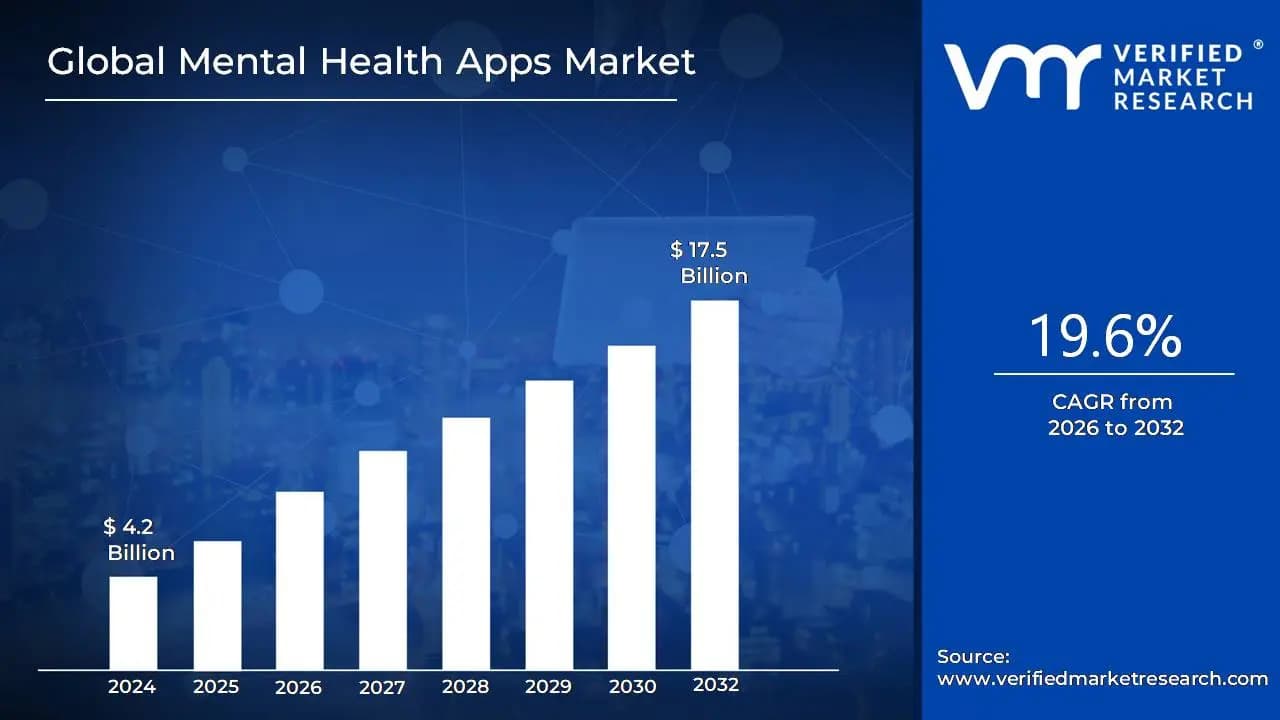
A new market forecast released earlier this month projects the global mental health apps sector will swell to $17.5 billion by 2032, expanding at an approximate compound annual growth rate of 19.6 percent. That scale of growth points to sustained commercial momentum around digital meditation, guided mindfulness, sleep aids, and hybrid clinical-digital offerings.
The forecast names several growth drivers that will shape product road maps and community access. Rising consumer demand for accessible self-care tools remains central, while greater adoption of app-based supports by employers and insurers is expected to broaden distribution channels and lower consumer cost barriers. Developers and service platforms will increasingly position mindfulness content alongside digital cognitive behavioral therapy (CBT), sleep and stress management tools, and integrated clinical services.
For meditators and local mindfulness organizers, the implications are immediate and practical. Expect more polished guided sessions, richer analytics for tracking "mindful minutes," and deeper integrations with workplace wellness programs. Employer and insurer uptake could mean more free or subsidized subscriptions for staff, and more apps offering clinical pathways that connect users with therapists or clinicians through the same interface used for daily sits and breathwork practices.
Product-watchers should also note category shifts. Guided meditation and mindfulness apps remain core, but digital CBT and sleep-focused tools are growing fast, and hybrid clinical plus digital models are attracting investment. That mix is likely to produce partnerships between app makers and clinical providers, new licensing deals for established meditation teachers, and an acceleration of feature rollouts such as personalized programs, live group sessions, and therapist-guided modules.

Community-level effects will vary. Grassroots teachers and sanghas may find fresh opportunities to reach wider audiences through platform partnerships, but they will also face competition from commercialized content and standardized metrics. Data privacy and user experience will come into sharper view as apps scale, so verify privacy policies and terms when adopting new tools for group or workplace use. Local centers can leverage employer wellness trends by offering complementary programming or by contracting with platforms that distribute their content.
This market projection signals that mindfulness meditation technology is moving from niche hobby to mainstream toolkit within mental health ecosystems. For readers who teach, practice, or build community, the next steps are clear: test emerging features, explore employer or insurer offerings, and stay alert to partnerships that expand access while protecting practice integrity. As apps evolve, they will shape how people access meditation, but the core of practice - the pause, the breath, the sit - remains yours to steward.
Sources:
Know something we missed? Have a correction or additional information?
Submit a Tip