Mindfulness tourism surges into mainstream luxury and medical wellness
A recent global wellness survey found mindfulness-immersive travel and clinic-linked retreats grew sharply in demand for 2026, reshaping how people find retreats and therapeutic care.
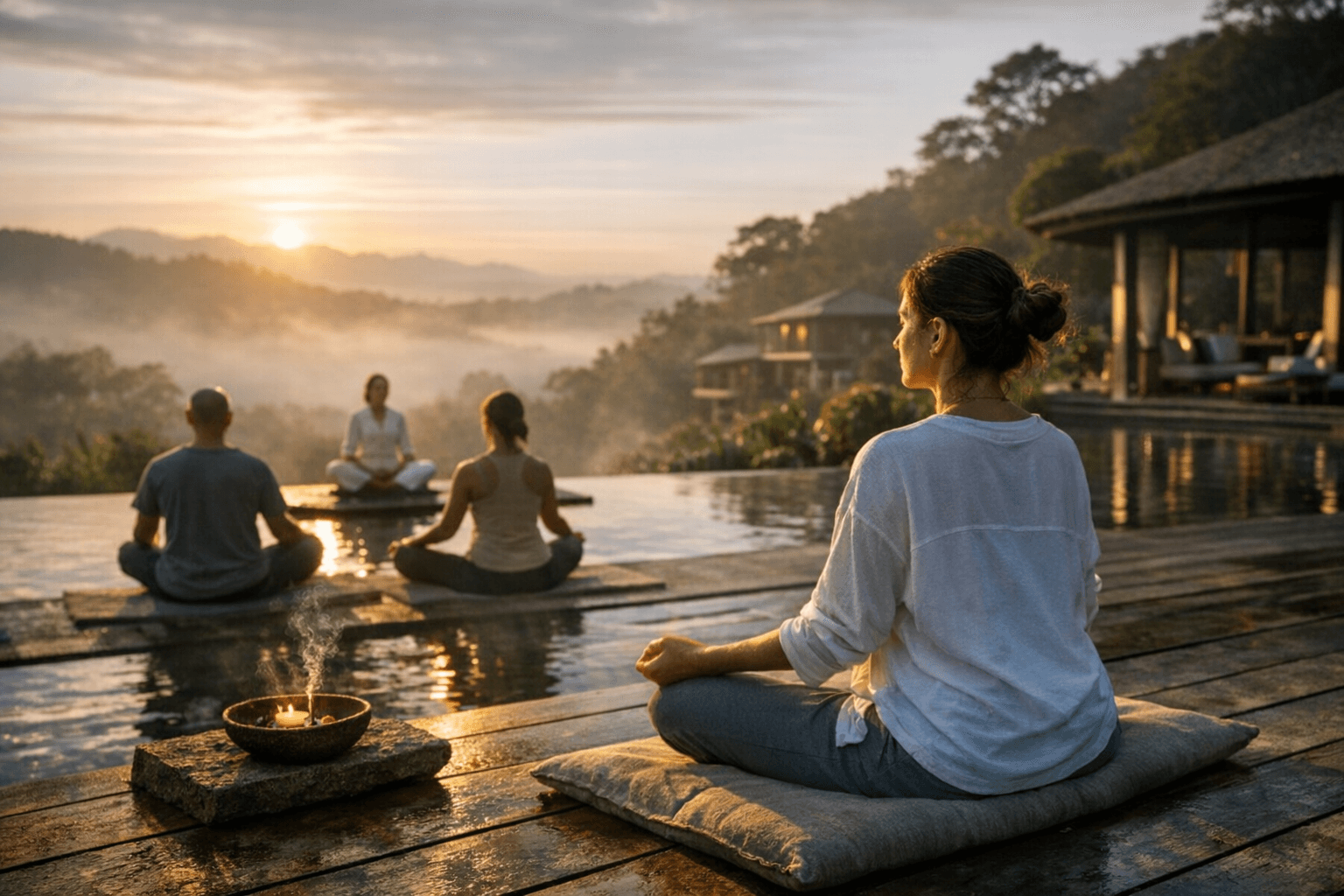
A global wellness survey for 2026 found mindfulness and mindfulness-immersive travel moving from niche offerings into the core product set of luxury spas, specialist retreats, and medical wellness programs. Providers expanded meditation immersions, mindful movement, and breathwork as headline attractions, while destination experiences drew attention for their cultural and contemplative authenticity.
Retreat formats now range from guided monastery meditation sessions and Bhutan treks to forest-bathing and tailored clinical stays. Luxury operators added multi-day immersion schedules and partner relationships with local monastics, while high-end medical retreats integrated mindfulness with longevity medicine and diagnostic services. Specialty tracks aimed at perimenopause and menopause wellness appeared alongside established stress reduction and resilience programs, signaling more targeted, lifecycle-aware offerings.
Industry metrics, including trend data tracked by major wellness organizations, showed demand shifting across travel, spa, and luxury markets. Mindfulness was no longer an optional amenity but a marketable core experience for travelers seeking both relaxation and measurable health benefits. That shift is fueling investment in teacher training, trauma-informed programming, and hybrid formats that blend traditional contemplative practice with wearable biofeedback, app-based continuity, and clinician oversight.
For practitioners and planners this matters in practical ways. Verify teacher credentials and whether instruction is trauma-informed or clinically supervised, especially when programs advertise medical benefits. Check exactly what "mindfulness immersion" entails: session length, daily schedule, opportunities for silent practice, and whether local contemplative leaders are included. If a retreat markets perimenopause or longevity benefits, ask for the scope of medical services, who provides them, and what follow-up care is offered. Technology is enhancing some experiences, but it does not replace qualified instruction or appropriate medical screening.
Community relevance is clear: more options create both opportunity and responsibility. Local sanghas and teachers can expect competition from destination brands but also new partnerships and referral channels. Shorter urban retreats and daylong mindful movement programs may become more widely available as operators transpose high-end formats to accessible price points.
What comes next is a maturing market: expect deeper integration between clinical evidence and contemplative pedagogy, more lifecycle-specific offerings, and clearer standards around credentials and outcomes. For anyone planning a retreat, balance the appeal of exotic settings with attention to teaching quality, medical transparency, and practices that support lasting home practice.
Know something we missed? Have a correction or additional information?
Submit a Tip