Ministers consider vet-only sales for pet flea treatments amid pollution concerns
Ministers are weighing vet-only flea treatments as regulators warn the chemicals can reach rivers and streams and counterfeit products can sicken pets.
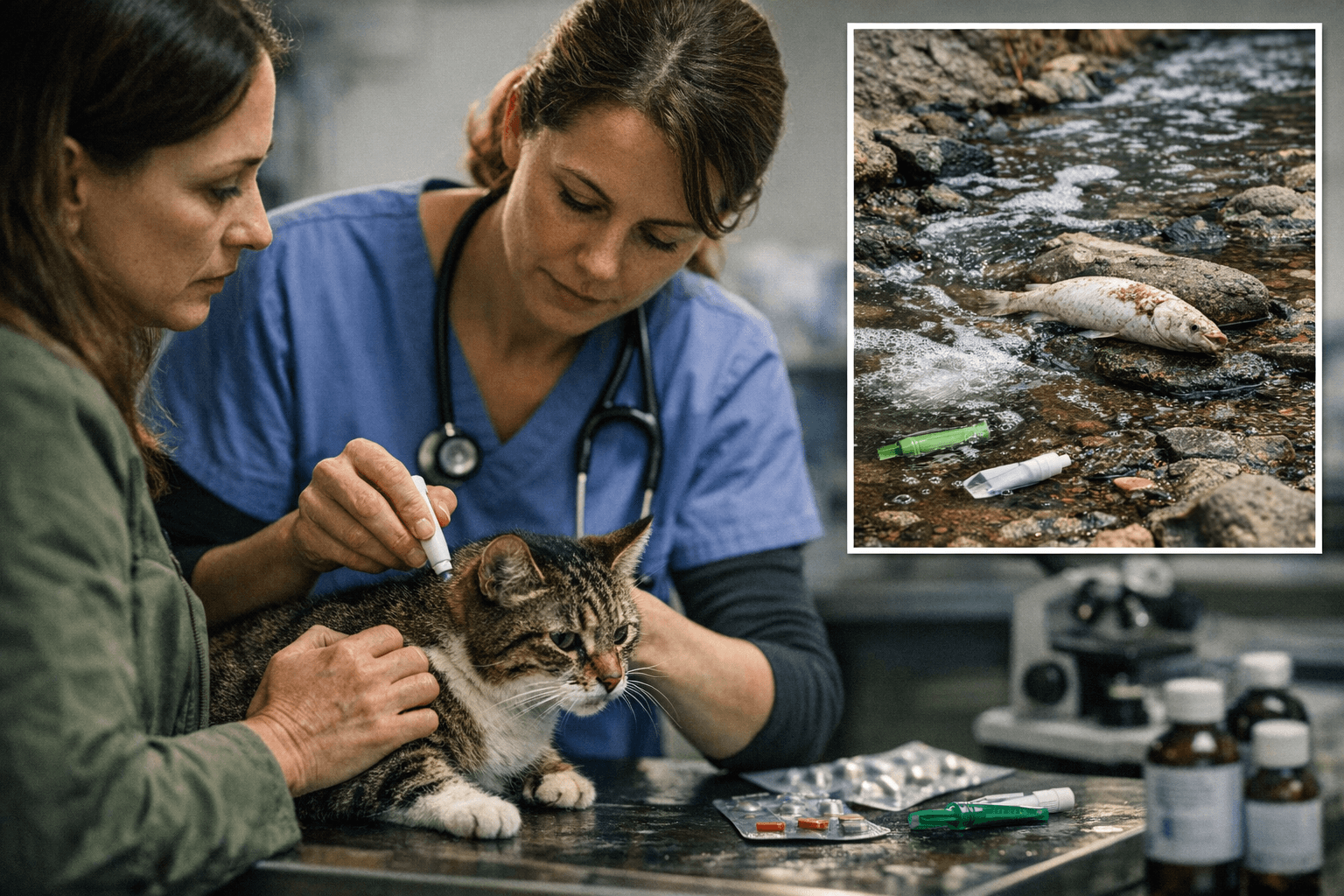
Regulators are examining whether common flea collars and spot-on treatments should move behind the veterinary counter as concern grows that the chemicals they contain are ending up in rivers and streams. The Veterinary Medicines Directorate has opened a call for evidence on products containing fipronil or imidacloprid, two ingredients widely used in flea and tick treatments for cats and dogs and flagged as toxic to aquatic life and freshwater invertebrates.
The government says a full ban on sale is not being considered, but many of the products are now classified as AVM-GSL and can be bought without professional advice, including in supermarkets. The review sits inside the cross-government Pharmaceuticals in the Environment roadmap published on 22 July 2025, which set out plans to cut the environmental impact of pet parasiticides while protecting animal welfare. Emma Hardy and Professor Jason Weeks have linked the review to those wider efforts to reduce contamination in UK waterways.
Officials have already begun trying to understand how the products are used and discarded. On 29 September 2025, the Veterinary Medicines Directorate launched a survey on how pet owners apply and dispose of flea and tick spot-on treatments, adding to work aimed at tracing how the chemicals enter waterways and how long they persist there. The concern is not limited to environmental damage: in 2025, officials also warned that counterfeit flea products can contain toxic pesticides and seriously harm pets, including a case in which a cat became seriously ill after exposure to a fake treatment.
Any shift to prescription-only sales would land on a country with an estimated 25 million cats and dogs, many of them treated several times a year and some with products that recommend monthly dosing. That would mean more vet appointments, higher bills and a greater risk of delays for owners who already struggle to access care. For lower-income households, the most immediate danger is that flea control becomes something they skip, not something they improve.
The change would also sit on top of rules that already give vets tighter control over prescription flea and worming medicines. Royal College of Veterinary Surgeons guidance on being “under care” took effect on 1 September 2023, and new supply rules for prescription flea and worming treatments came properly into force on 12 January 2024, with vets often needing to examine an animal before prescribing antiparasitic medicine. NOAH, the animal health industry body, said it would work constructively with government and regulators on responsible use of veterinary medicines.
This article was produced by Prism’s automated news system from verified source data, official records, and press releases, then run through automated quality and moderation checks before publishing. The system is built and supervised by the people who set the standards it runs under. Read our full AI policy.
Did this article answer your question?