Ministry Seizes Live and Taxidermied Wildlife Including African Grey Parrot
Ministry of Environment officers seized live and taxidermied wildlife at Diana Market after social media tipped authorities, a sign of tighter enforcement and a wake-up call for parrot owners.
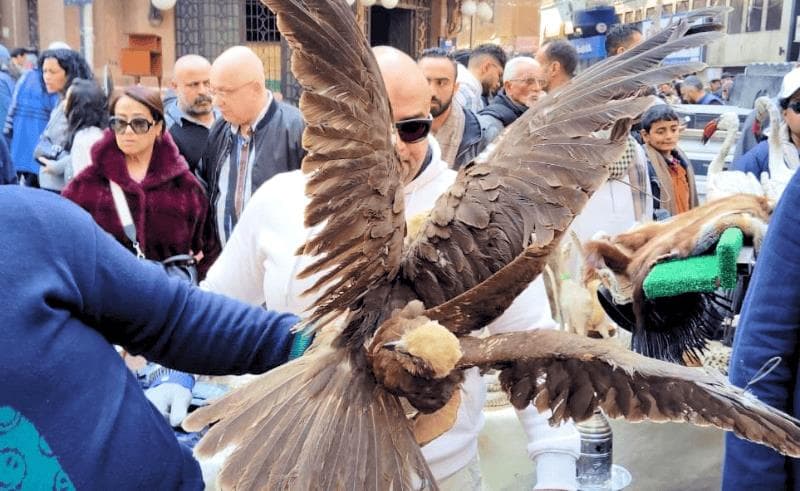
Ministry of Environment inspectors, working with local authorities, seized a mix of live and taxidermied wild animals at Diana Market in Al Azbakiya after social media posts showed illegal offers for sale. The January 19 inspection uncovered species protected under Law 4 of 1994 as amended by Law 9 of 2009, underscoring active enforcement of wildlife protection rules.
Officials confiscated live animals including two horned owls, one eagle, four Egyptian chameleons and one Egyptian tortoise. Taxidermied specimens removed from sale included one Egyptian mongoose, five red foxes, five falcons and one African grey parrot. The ministry said all creatures were seized in favour of the Ministry of Environment and that legal measures are underway against those involved in the trade.
Live birds and reptiles will receive veterinary care before being returned to their natural habitats, the ministry reported. Taxidermied items will be transferred to one of the ministry’s wildlife exhibitions. The operation followed directives to probe social media posts advertising wildlife for sale, and came as part of an intensified campaign of inspections coordinated with local authorities to curb illegal trade. The ministry also urged citizens to report unlawful practices involving wildlife.
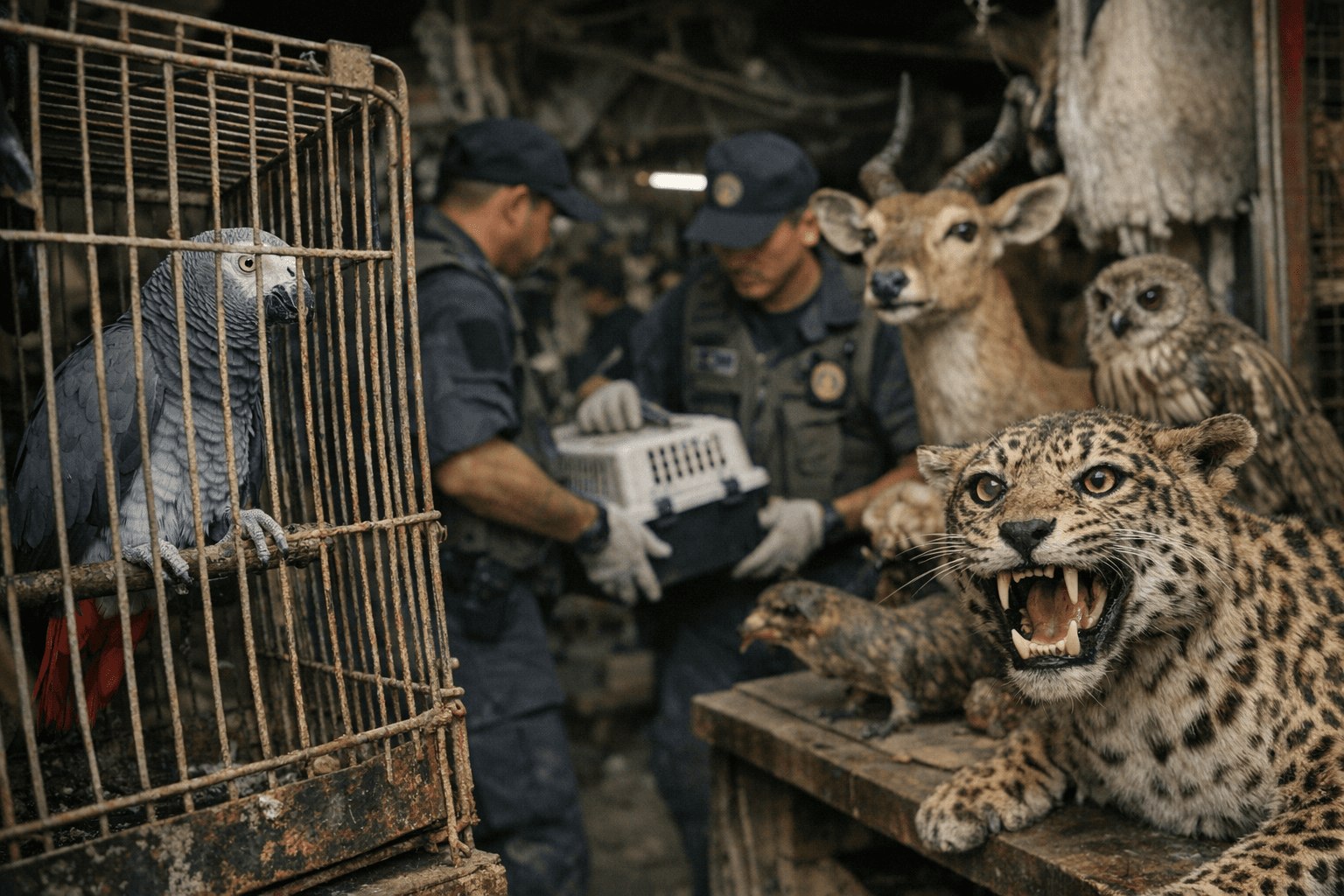
For readers who keep parrots or follow avian welfare, the inclusion of an African grey parrot among the seized taxidermy is particularly notable. African greys are prized in the pet trade for their intelligence and vocal skills, making them vulnerable to illegal capture and trafficking. This seizure demonstrates both the demand that drives illicit markets and the ministry’s willingness to pursue online leads. It also highlights the risk that birds offered on social platforms may lack legal documentation or humane origins.
Practical steps for caretakers and potential buyers: verify provenance and paperwork before acquiring any bird, be cautious of listings that avoid showing clear ownership records, and report suspicious sales or posts to the Ministry of Environment or local authorities. Rehabilitation and veterinary assessment are the first priorities for seized live animals, but long-term outcomes depend on habitat suitability and the ministry’s release plans.
The raid at Diana Market signals more active policing of wildlife commerce and a crackdown on online sales channels. For parrot keepers and bird lovers, the takeaway is clear: protect your feathered companions by demanding transparency, staying vigilant on social media, and reporting illegal trade so more talkers stay where they belong—in safe, legal care or in the wild.
Know something we missed? Have a correction or additional information?
Submit a Tip