Minneapolis police chief resigns after investigation into conduct and interference
Brian O'Hara resigned after investigators said he likely deleted a witness contact card and ignored orders tied to a misconduct probe, sharpening doubts about MPD leadership.
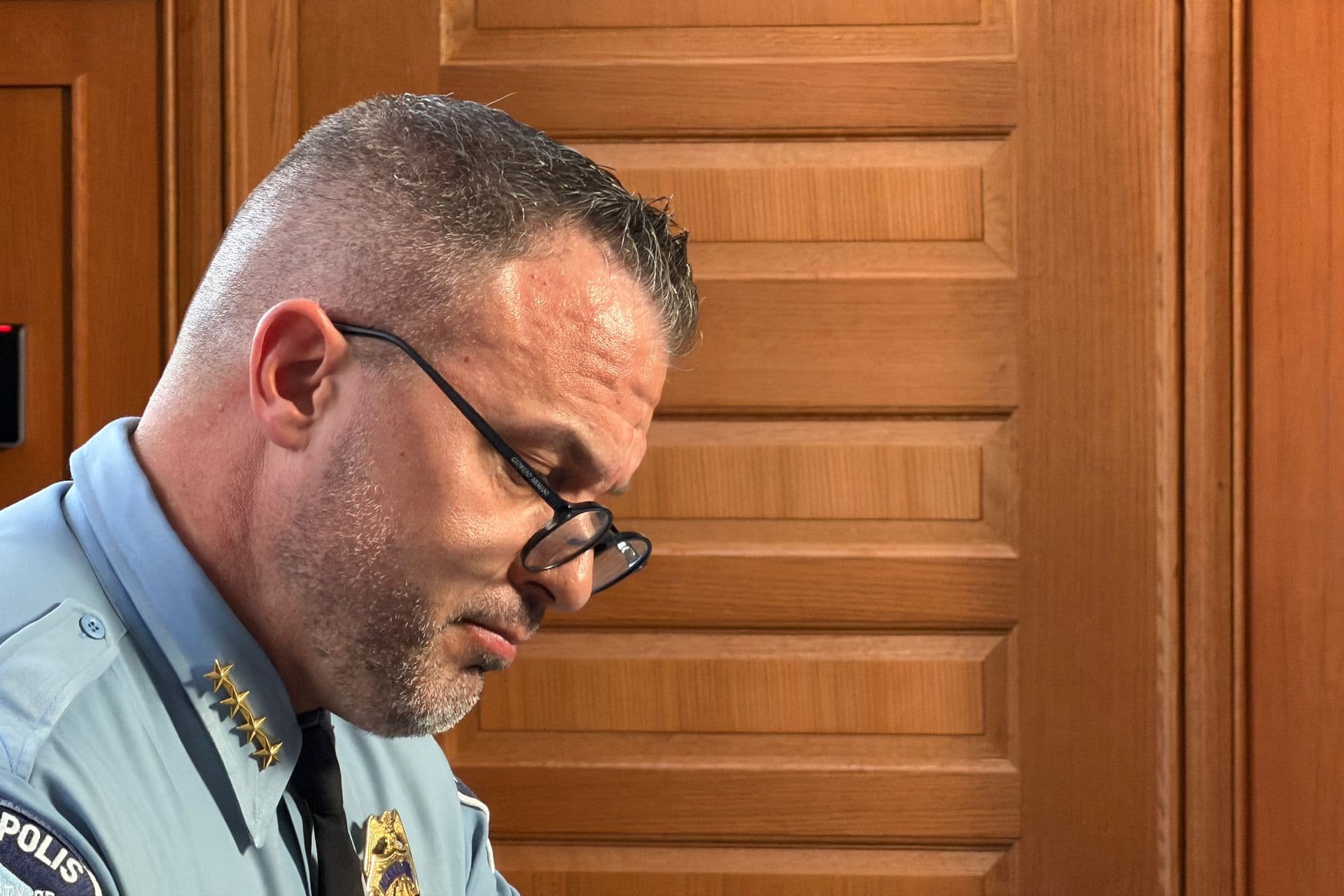
Brian O'Hara resigned as Minneapolis police chief after an internal investigation found he interfered with a probe into his conduct, a development that immediately reopened questions about accountability inside a department still under intense scrutiny over reform, staffing and trust.
Mayor Jacob Frey said O'Hara was told he would face discipline up to and including firing after investigators concluded the chief had interfered with an inquiry into allegations that he had sexual relationships with city employees. Those allegations were not substantiated. But investigators later determined it was more likely than not that O'Hara knowingly and intentionally deleted a contact card for a material witness from his city-issued phone and ignored explicit instructions not to discuss the investigation.
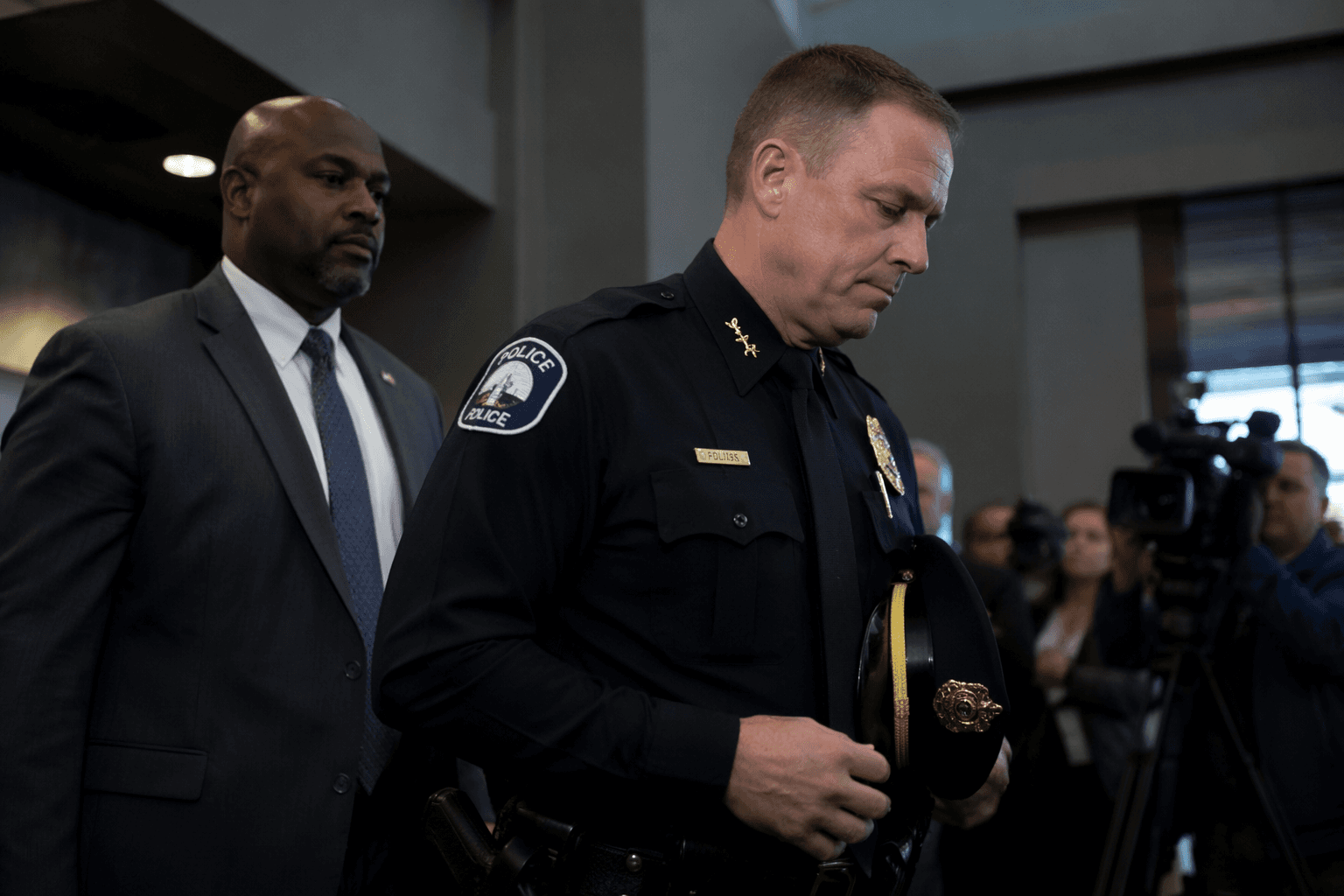
The discipline decision rested on a report prepared by Forsgren Fisher McCalmont DeMarea Tysver LLP. The city received the underlying investigative reports on July 15, 2025 and August 15, 2025. The interference probe was triggered months later, after a city employee contacted investigators on December 15, 2025 with additional information, including a recording of a call that raised concerns about interference.
Frey said he accepted the resignation because preserving public trust had to come first. O'Hara had only been nominated for a second term about three weeks before he stepped down, underscoring how abruptly the chief's position collapsed after months of scrutiny. Assistant Chief Katie Blackwell will serve as acting chief immediately.
O'Hara came to Minneapolis in November 2022 after serving as deputy mayor and public safety director in Newark, New Jersey. He was brought in by Frey with the expectation that he would help steer the Minneapolis Police Department through the reform era that followed George Floyd's killing, when national attention on policing in Minneapolis intensified and demands for structural change only grew louder.
The resignation now leaves the city with a department leadership vacuum at a moment when the police force remains a central test of whether Minneapolis can rebuild credibility with residents, city employees and outside watchdogs. Minneapolis City Councilmember Michael Rainville said he was shocked by the news, a reaction that reflected how quickly the chief's standing unraveled once the internal findings were made public to city leadership.
For Minneapolis, the issue goes beyond one chief's departure. The question now is whether the city can show that internal discipline applies even at the top of the police department, and whether reform efforts can survive another blow to institutional trust.
This article was produced by Prism’s automated news system from verified source data, official records, and press releases, then run through automated quality and moderation checks before publishing. The system is built and supervised by the people who set the standards it runs under. Read our full AI policy.
Know something we missed? Have a correction or additional information?
Submit a Tip
